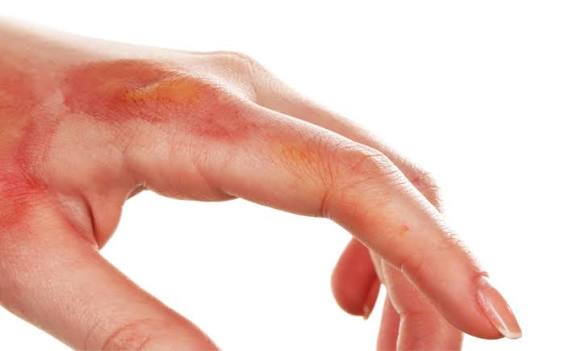
A minor burn can happen in seconds while cooking, ironing, handling hot water or coming into contact with another source of heat. Although some small burns can be managed at home, knowing what to do immediately can reduce further skin damage and support healing.
First-degree or superficial burns generally affect the outer layer of the skin and may cause redness, pain and mild swelling. More serious burns can involve deeper layers of tissue and require professional medical attention.
Here are important first-aid steps to take when dealing with a minor burn...READ THE FULL ARTICLE HERE .
1. Move Away From the Source of Heat
The first priority is to stop the burning process.
* Move away from the fire, hot liquid, steam, electrical source or other cause of the injury.
* If clothing is on fire, extinguish the flames safely.
* Remove jewellery, watches or loose clothing near the affected area before swelling develops.
* Do not pull away anything that has become stuck to the skin.
2. Cool the Burn With Running Water
Place the affected area under cool, clean running water for about 20 minutes as soon as possible.
Cooling helps remove heat from the skin and can reduce pain and further tissue damage. It is preferable to use cool running water rather than ice or extremely cold water.
If running water is unavailable, clean cool water or an appropriate cool compress can be used temporarily.
3. Protect the Burn After Cooling
Once the affected area has been cooled, cover it loosely with a clean, non-stick dressing or other suitable clean covering.
The purpose is to protect the injured skin from friction, dirt and contamination.
* Do not wrap the covering tightly.
* Avoid adhesive dressings directly on the injured skin.
* Keep the area clean.
* Change the dressing as appropriate while the burn heals.
4. Do Not Apply Ice, Butter or Toothpaste
Some traditional home remedies can actually cause additional problems.
Avoid putting ice directly on a burn because extreme cold can further damage the skin. Butter, oils and other greasy substances are also not recommended as first aid for burns.
Toothpaste, raw eggs and other household substances should likewise not be used as substitutes for proper burn first aid.
The safest immediate approach is to cool the burn with clean, cool running water.
5. Do Not Burst Blisters
Some burns may develop blisters as the skin responds to the injury.
Do not deliberately puncture or peel them.
Breaking the skin can increase the risk of infection and interfere with healing. If a blister breaks accidentally, keep the area clean and seek medical advice if there are signs of infection or the injury is significant.
6. Manage Pain Carefully
Minor burns can be painful, particularly during the first few hours.
After cooling the injury, an appropriate over-the-counter painkiller may help if the person can safely take it. Follow the medicine’s instructions and seek advice from a pharmacist or healthcare professional when unsure.
Do not give medication to children without checking the appropriate medicine and dose for their age and circumstances.
7. Know When a Burn Needs Medical Attention
Not every burn should be treated at home.
Seek urgent medical attention if the burn:
* Is large or appears deep.
* Affects the face, hands, feet, major joints, neck or genitals.
* Was caused by electricity or chemicals.
* Involves extensive blistering.
* Has white, brown or blackened skin.
* Causes severe swelling or significant pain.
* Is associated with difficulty breathing or suspected smoke inhalation.
* Occurs in a very young child, older person or someone with significant underlying medical problems.
Burns involving deeper layers of tissue can require specialised treatment, even when the injury initially appears small.
Chemical and Electrical Burns Need Extra Care
Chemical and electrical burns should not be treated like ordinary minor heat burns.
For a chemical burn, avoid direct contact with the substance and remove contaminated clothing where it is safe to do so. The affected area generally needs prolonged flushing with clean running water while urgent medical assistance is sought.
Electrical burns can appear small on the skin while causing deeper internal injuries. The electrical source must be switched off before anyone attempts to help the injured person, and medical assessment is important.
How to Prevent Burns at Home
Prevention is particularly important in households with children.
* Keep hot drinks and cooking utensils away from the edge of tables and counters.
* Turn pot handles away from the edge of the cooker.
* Keep children away from cooking areas.
* Store matches, lighters and flammable materials safely.
* Avoid handling hot appliances with wet hands.
* Keep electrical cables and appliances in good condition.
* Test hot water before bathing young children.
* Never leave cooking unattended.
The Bottom Line
A minor burn does not always require hospital treatment, but the first few minutes matter.
Move away from the heat source, cool the affected area with clean running water for about 20 minutes, protect the injury and avoid potentially harmful substances such as ice, butter and toothpaste.
Most importantly, do not attempt to manage a serious burn at home. Large, deep, chemical, electrical or strategically located burns require prompt professional medical assessment.