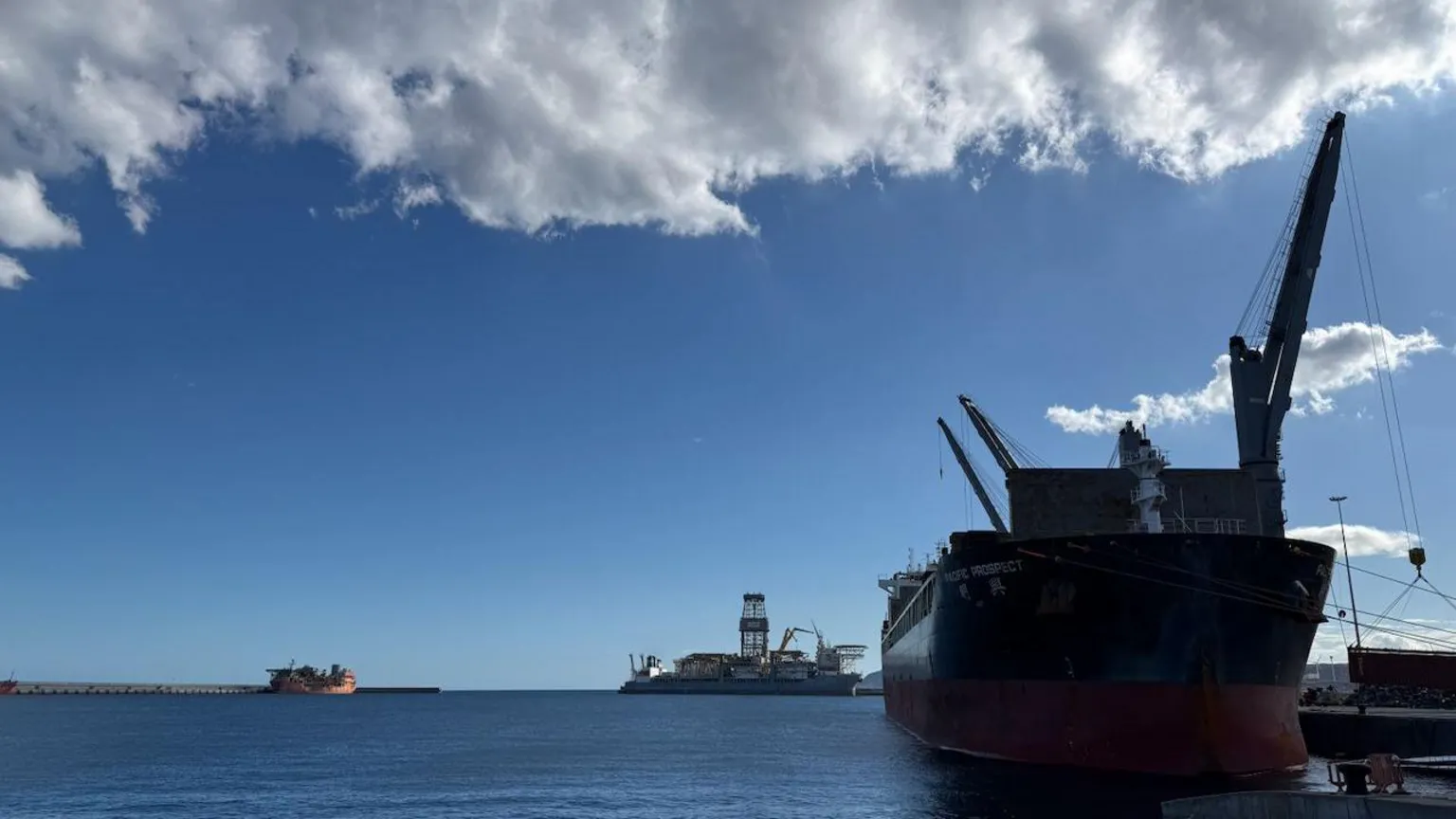
Panic, uncertainty and growing global concern surrounded the arrival of a cruise ship in Spain after a deadly viral outbreak onboard left several passengers dead and triggered an international emergency health response. The Dutch expedition cruise vessel, MV Hondius, finally docked at the port of Granadilla in Tenerife under strict security and intense medical monitoring after days of anxiety among passengers, families and health authorities across different countries.
The ship became the centre of worldwide attention after multiple deaths linked to a suspected hantavirus outbreak were recorded during the voyage. Health experts and government agencies closely monitored the vessel as fears spread over the possibility of additional infections among passengers and crew members trapped onboard during the difficult journey. Emergency measures were immediately activated by Spanish authorities even before the ship reached the island, with medical teams, ambulances, infectious disease specialists and isolation facilities deployed to the port area in preparation for the docking operation.
Officials confirmed that the arrival process was handled under highly controlled conditions to avoid any potential health risk to the public. Security officers established restricted zones around the harbour while medical personnel boarded the vessel to begin health assessments and coordinate evacuation procedures. Passengers were reportedly instructed to remain calm and follow strict safety protocols as authorities carried out screenings and prepared transportation arrangements...READ THE FULL ARTICLE HERE .
According to international reports, three people died during the outbreak, creating deep concern among relatives and governments whose citizens were onboard the ship. Several countries, including the United States, the United Kingdom, Germany, France, Belgium, Ireland and the Netherlands, quickly began diplomatic coordination with Spain to ensure the safe evacuation of their nationals. Special repatriation plans were reportedly organized, with some passengers expected to be moved directly from the port to airports under medical supervision before returning to their home countries.
The outbreak has raised fresh global conversations about infectious disease preparedness on international cruise voyages, especially years after the COVID-19 pandemic exposed the vulnerability of confined travel environments. Although health authorities have reassured the public that the situation is currently under control, the incident has revived painful memories of earlier maritime health crises where ships became isolated hotspots for contagious diseases.
Medical experts explained that hantavirus is a rare but potentially serious disease usually associated with rodents. Humans can become infected after exposure to contaminated rodent urine, saliva or droppings, particularly in enclosed or poorly ventilated environments. Symptoms often begin with fever, fatigue, muscle aches and headaches before progressing to more severe respiratory complications in some cases. While certain strains of the virus can be deadly, experts stressed that hantavirus generally does not spread easily between humans, unlike highly contagious respiratory viruses such as COVID-19 or influenza.
The World Health Organization and Spanish health authorities have continued to assure residents and international observers that there is currently no indication of widespread transmission onboard the vessel. Reports indicate that many passengers and crew members showed no symptoms upon arrival, although precautionary monitoring and testing procedures remain ongoing. Any individual suspected of infection is expected to be isolated immediately for further medical observation and treatment.
Hospitals across Tenerife and the wider Canary Islands were also placed on alert as part of emergency preparedness measures. Intensive care units, isolation wards and specialist medical equipment were reportedly made available in case the health situation escalated. Authorities maintained that the operation was designed to prioritize both public safety and the welfare of those onboard the ship.
Despite official reassurances, the incident has sparked visible concern among residents and tourists in Tenerife, with many closely following developments through local and international media coverage. Some locals reportedly questioned whether allowing the ship to dock posed unnecessary risks, while others expressed confidence in Spain’s health response system and urged people not to panic.
The cruise ship outbreak has now become one of the most talked-about international health stories in recent days, drawing attention to the ongoing challenge of managing infectious diseases in an era of global travel and tourism. Investigations are expected to continue in the coming weeks as scientists and health authorities work to determine the exact source of the outbreak, how the infections spread onboard and whether further preventive measures may be required for future voyages.
As passengers begin returning to their home countries and medical monitoring continues, the world will be watching closely to see whether the incident remains contained or develops into a broader international health concern.