Water is essential for almost every function in the human body. It helps regulate body temperature, supports digestion, lubricates joints and allows the kidneys to remove waste from the body.
When you do not consume enough fluids, your body can begin showing signs of dehydration. The symptoms can range from mild changes that are easy to overlook to more serious problems when fluid loss becomes significant.
Here are 10 common signs that you may not be drinking enough water...READ THE FULL ARTICLE HERE .
1. You are constantly thirsty
Thirst is one of the most obvious signals that your body needs fluids.
If you regularly feel thirsty throughout the day, particularly after physical activity or spending time in hot weather, it may be a sign that you need to increase your fluid intake.
However, thirst can also occur for other reasons, so it should not be used as the only measure of hydration.
2. Your urine is dark yellow
Urine colour can provide a useful indication of hydration.
Very dark yellow urine may occur when urine becomes more concentrated because the body is conserving water.
Pale yellow urine is generally associated with adequate hydration, although urine colour can also be affected by certain foods, vitamins and medications.
3. You urinate less frequently
A noticeable reduction in how often you urinate can occur when your body is trying to conserve fluid.
If you are drinking very little and also urinating much less than usual, increasing your fluid intake may help.
However, persistent changes in urination should be discussed with a healthcare professional because they can have causes unrelated to dehydration.
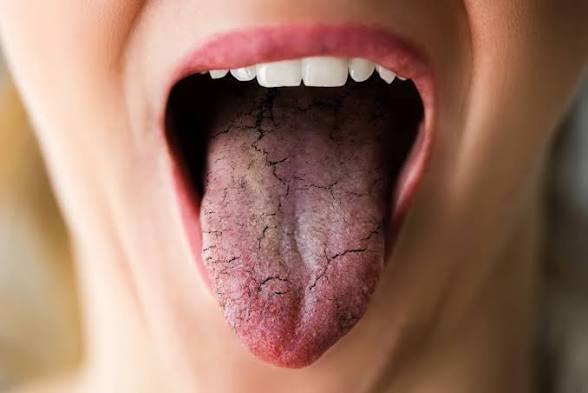
4. You experience a dry mouth
A dry or sticky mouth can occur when the body does not have enough fluid.
You may also notice that your mouth feels unusually dry or that you are producing less saliva than normal.
Drinking water regularly can help maintain normal moisture levels in the mouth.
5. You feel tired or unusually weak
Mild dehydration can sometimes be accompanied by tiredness, weakness or reduced physical performance.
This can become particularly noticeable after exercise, during hot weather or when you have lost fluids through sweating.
If unexplained fatigue continues despite adequate hydration and rest, it is important to consider other possible causes.
6. You develop a headache
Dehydration can be associated with headaches in some people.
If you have spent several hours without drinking fluids and subsequently develop a headache, drinking water may help if dehydration is contributing to the problem.
Frequent or severe headaches, however, should not automatically be attributed to dehydration.
7. You feel dizzy or lightheaded
Insufficient fluid intake can contribute to dizziness or lightheadedness, particularly when dehydration becomes more pronounced.
If you experience sudden, severe or recurring dizziness, seek medical advice rather than assuming that drinking water is the only solution.
8. Your skin feels unusually dry
Dry skin can have many causes, including weather conditions, skincare products and certain medical conditions.
However, inadequate fluid intake can contribute to dryness, especially when combined with significant fluid loss.
Maintaining adequate hydration is one part of supporting normal skin health.
9. You experience constipation
Water plays an important role in normal digestion.
Not drinking enough fluids, especially when your diet is low in fibre, can contribute to constipation.
Increasing water intake alongside eating fibre-rich foods such as fruits, vegetables, beans and whole grains can support regular bowel movements.
10. Your physical performance drops
When you lose significant amounts of fluid through sweating, especially during exercise or hot weather, your physical performance can suffer.
You may feel more tired than usual, struggle to maintain your normal pace or experience muscle discomfort.
Replacing fluids before, during and after prolonged physical activity can help reduce the effects of dehydration.
How much water should you drink?
There is no single amount of water that is perfect for everyone.
Your fluid needs depend on factors such as your age, body size, activity level, diet, weather and overall health.
People who exercise heavily or spend long periods in hot and humid environments may need more fluids than someone who is mostly sedentary.
Water is not the only source of fluid. Other beverages and water-rich foods such as fruits and vegetables also contribute to your overall fluid intake.
What should you do if you are dehydrated?
For mild dehydration, drinking water gradually can help replace lost fluids.
If you have lost a significant amount of fluid through heavy sweating, vomiting or diarrhoea, an oral rehydration solution may be more appropriate because it replaces both fluids and important electrolytes.
Severe dehydration can become a medical emergency. Symptoms such as confusion, fainting, extreme weakness, very little or no urination, rapid heartbeat or inability to keep fluids down require urgent medical attention.
The bottom line
Your body needs adequate fluids to function properly, and dehydration can affect everything from digestion and physical performance to concentration and general wellbeing.
Pay attention to signals such as excessive thirst, dark urine, dry mouth, dizziness and unusual tiredness, particularly during hot weather or after exercise.
Rather than waiting until you become severely thirsty, make regular fluid intake part of your daily routine and increase your intake when you are losing more fluid than usual.