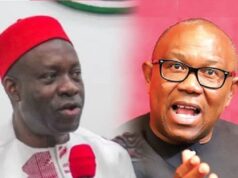
Former Bayelsa State Governor Seriake Dickson has declared that he does not identify with the Obidient or Kwankwasiyya political movements, stating instead that his political identity is firmly aligned with the National Democratic Congress.
Dickson made the clarification while speaking about the growing political realignments ahead of the 2027 general elections, as politicians and supporters across the country continue to reassess their alliances and affiliations.
The former governor stressed that he should not be categorised as an Obidient or a member of the Kwankwasiyya movement, two political tendencies that have become prominent in Nigeria’s opposition politics in recent years...READ THE FULL ARTICLE HERE .
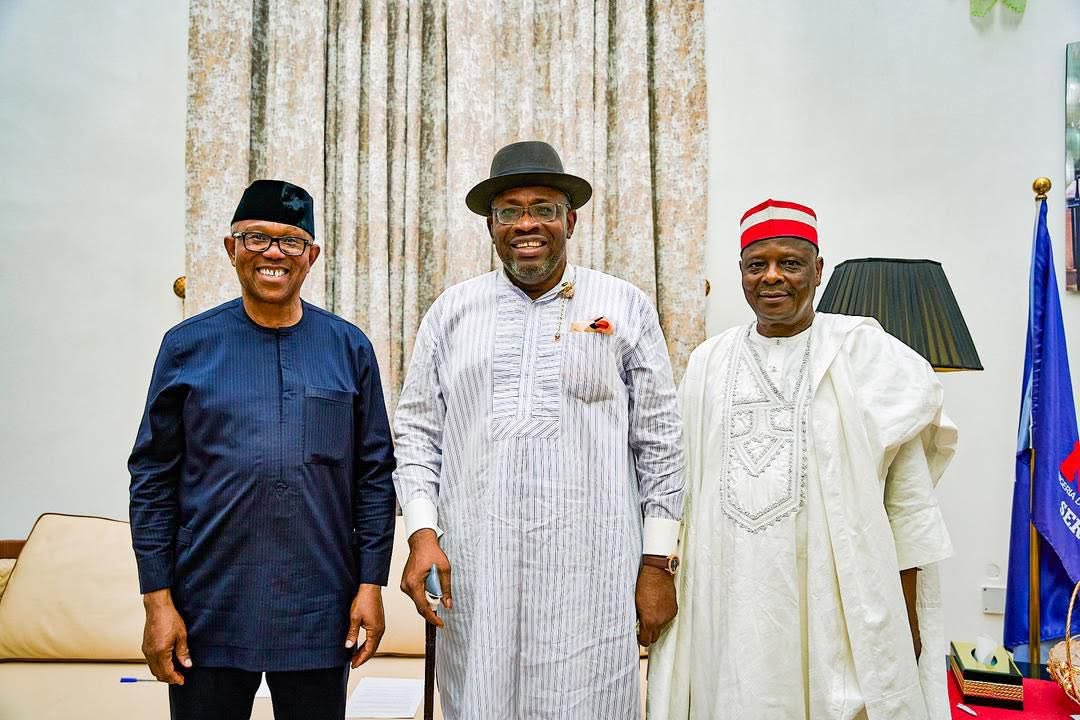
The Obidient movement is associated largely with supporters of Peter Obi, who emerged as one of the major contenders in the 2023 presidential election. The Kwankwasiyya movement, meanwhile, is strongly associated with former Kano State Governor Rabiu Musa Kwankwaso and has maintained a significant following, particularly in northern Nigeria.
Dickson’s declaration places him within the political structure of the National Democratic Congress, popularly known as the NDC, as political parties and influential figures continue to position themselves ahead of the next presidential election.
His comments come amid growing speculation about possible alliances and realignments involving prominent opposition politicians. The political landscape has continued to shift following the 2023 election, with discussions about coalition arrangements and potential presidential candidates becoming increasingly prominent.
For Dickson, however, his latest statement appears intended to draw a clear distinction between his political affiliation and the various movements attracting attention ahead of 2027.
The former Bayelsa governor remains an influential figure in the politics of the state and the wider Niger Delta region. His political experience and previous role in national political affairs have continued to make his comments relevant to discussions about opposition politics and the future direction of the country.
His declaration also highlights the increasingly complex nature of Nigerian politics, where political movements, parties and individual personalities often overlap in the eyes of the public.
As preparations for the 2027 elections gather momentum, more politicians are expected to publicly clarify their positions and political affiliations. Such declarations could become increasingly important as parties seek to build broader alliances and attract influential political figures and voter blocs.
Dickson’s statement therefore adds to the growing political conversation surrounding the NDC and its emerging role in the country’s opposition landscape, while making his own position clear.
For supporters and observers, the declaration leaves little ambiguity about how Dickson wants his political identity to be understood as Nigeria moves closer to another major electoral contest.