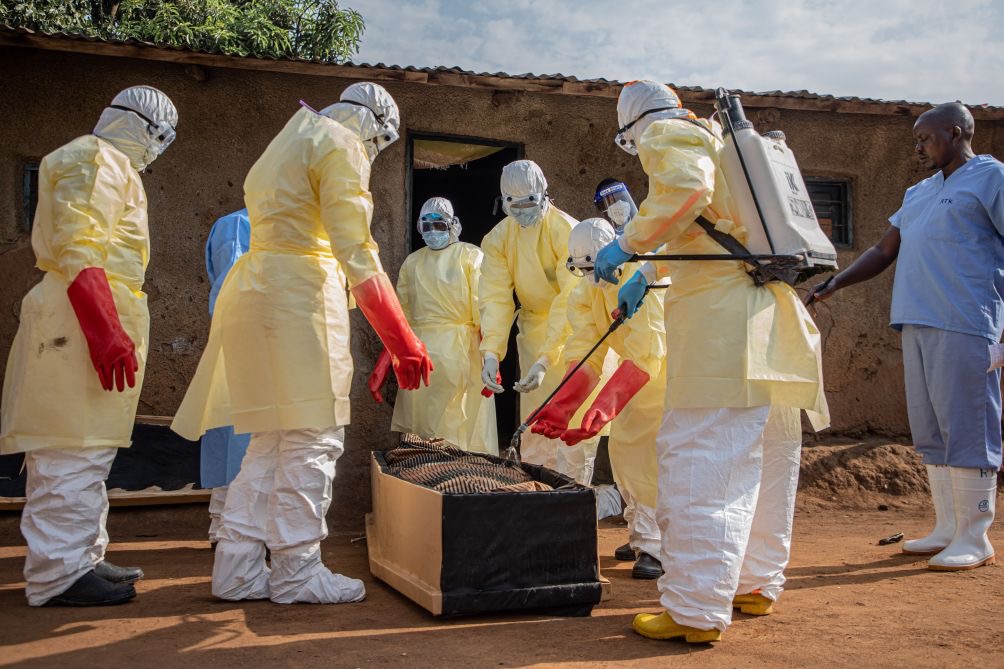
The Democratic Republic of Congo is facing its deadliest Ebola outbreak in history, with more than 2,300 deaths recorded as the rapidly spreading disease continues to place enormous pressure on the country’s healthcare system.
The latest figures indicate that 4,945 confirmed cases have been recorded since the current outbreak began, while 2,325 people have lost their lives. This represents a reported case fatality rate of about 47 per cent.
The death toll has now surpassed the 2,299 fatalities recorded during the 2018 to 2020 Ebola outbreak in eastern DR Congo, making the current crisis the most deadly Ebola outbreak ever recorded in the country...READ THE FULL ARTICLE HERE .
The outbreak was officially declared on May 15, 2026, and is being caused by the Bundibugyo species of the Ebola virus. It is the 17th Ebola outbreak recorded in DR Congo since the virus was first identified in the country in 1976.
The scale and speed of the current outbreak have raised serious concerns among global health authorities. The disease has spread across multiple health zones and provinces, with Ituri remaining one of the major areas affected.
Health officials are facing significant challenges in containing the outbreak, including difficulties with surveillance, access to healthcare facilities, insecurity in some affected communities and limited public cooperation.
The situation is particularly concerning because the Bundibugyo strain responsible for the outbreak is different from the Zaire strain responsible for several previous major Ebola epidemics. There are currently no widely approved vaccines or treatments specifically available for the Bundibugyo strain, although researchers are evaluating potential vaccines and treatments.
Ebola is a serious viral disease that can cause fever, weakness, vomiting, diarrhoea and, in severe cases, internal and external bleeding. Transmission can occur through direct contact with the blood or bodily fluids of an infected person or through contact with contaminated materials.
Early detection and appropriate medical care remain critical in reducing the risk of death and preventing further transmission. Health authorities have therefore continued to emphasise surveillance, testing, isolation of suspected cases, infection prevention and community engagement.
The outbreak is also putting healthcare workers under considerable pressure as medical teams attempt to identify cases, trace contacts and provide care to infected patients.
The rapid rise in infections and deaths has prompted renewed international concern, particularly because experts fear the outbreak could eventually become even larger if transmission is not brought under control.
Despite the alarming figures, health authorities and international partners continue to work to strengthen the response. Medical teams are expanding surveillance, supporting treatment efforts and investigating possible vaccines and therapies that could help control the Bundibugyo virus.
For communities in affected areas, cooperation with health officials remains crucial. Prompt reporting of suspected symptoms, avoiding direct contact with infected individuals and following public health guidance can help reduce the spread of the virus.
The situation in DR Congo has become a major public health emergency, and the increasing death toll highlights the urgent need for stronger disease surveillance, adequate healthcare resources and sustained international support to prevent the outbreak from becoming even more devastating.