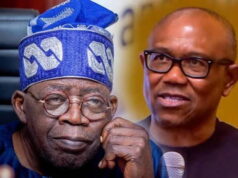
Former presidential candidate Peter Obi has raised concerns over the state of Nigeria’s electoral system, alleging that some highly educated Nigerians are now using their knowledge and influence to help individuals with little or no formal education manipulate elections.
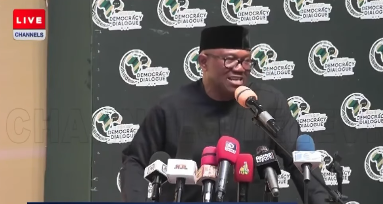
Obi made the claim while speaking about the challenges facing Nigeria’s democracy and the need for citizens to demand greater accountability from political leaders and electoral stakeholders.
According to him, the problem confronting Nigeria is not simply a lack of educated people in positions of influence. Rather, he argued that the country is facing a situation where some educated professionals allegedly use their expertise to support practices capable of undermining the democratic process...READ THE FULL ARTICLE HERE .
The former Anambra State governor expressed concern that electoral malpractice continues to threaten the credibility of elections despite Nigeria having a large number of educated professionals, academics and other experts.
He suggested that the involvement of educated individuals in electoral manipulation makes the situation particularly troubling because people with the knowledge and capacity to strengthen democratic institutions can instead contribute to weakening them.
Obi’s comments come amid continuing discussions about electoral reforms and the credibility of elections in Nigeria. Political parties, civil society organisations and other stakeholders have repeatedly called for measures that would make elections more transparent, credible and resistant to manipulation.
The former presidential candidate has consistently advocated greater citizen participation, accountability and institutional reforms. He has also maintained that Nigeria’s development depends on building systems that reward competence, integrity and responsible leadership.
His latest remarks have consequently generated debate over the role of educated Nigerians in politics and governance. While education is generally regarded as an important tool for national development, Obi’s argument highlights the need for ethical responsibility among professionals who participate in political activities.
Electoral malpractice can take different forms, including vote buying, intimidation, manipulation of electoral processes, falsification of results and other activities capable of influencing the outcome of an election unlawfully.
When such practices occur, they can undermine public confidence in democratic institutions and discourage citizens from participating meaningfully in elections.
The comments also come as Nigeria prepares for another major electoral cycle, with political parties already positioning themselves for future contests and increasing calls for reforms that can strengthen the country’s democratic institutions.
For Obi, improving Nigeria’s electoral system requires more than technological solutions. It also requires citizens, political actors and professionals to uphold democratic values and reject practices that undermine the people’s right to freely choose their leaders.
His allegation has added another dimension to the ongoing national conversation about electoral integrity, political accountability and the responsibility of educated Nigerians in protecting democracy.
While the specific claims remain allegations, the broader issue of electoral credibility continues to attract significant public attention as Nigerians demand elections in which votes are properly counted and the outcome genuinely reflects the choices of voters.