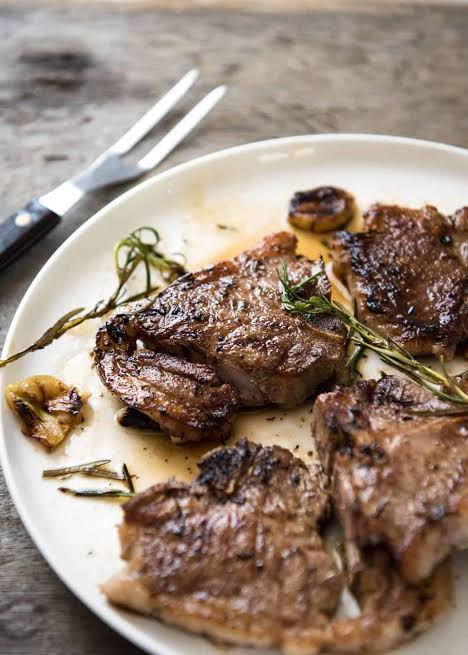
As people grow older, their nutritional needs change, making it increasingly important to consume foods that support muscle strength, bone health, immunity and overall well-being. One important nutrient that older adults should pay particular attention to is protein, which plays a major role in maintaining healthy muscles and repairing body tissues.
Meat remains an important source of high-quality protein and several essential nutrients, including vitamin B12, iron, zinc and other minerals that support normal body functions.
As ageing progresses, many people experience a gradual decline in muscle mass and strength, a condition known as sarcopenia. This can increase the risk of falls, weakness, reduced mobility and difficulty performing everyday activities...READ THE FULL ARTICLE HERE .
Including appropriate protein sources in daily meals can help older adults maintain muscle health, particularly when combined with regular physical activity.
However, not all meat provides the same nutritional benefits. Choosing lean, nutrient-rich options and preparing them using healthier cooking methods can make a significant difference.
Here are five types of meat older adults should consider including in their diets.
1. Fish
Fish is one of the most nutritious protein sources older adults can include in their meals.
Fatty fish such as salmon, sardines, mackerel and tuna provide high-quality protein alongside important omega-3 fatty acids.
These nutrients offer several health benefits, particularly for cardiovascular and general health.
Some benefits include:
* Supports heart health: Omega-3 fatty acids help reduce blood triglyceride levels and support cardiovascular health.
* Maintains muscle strength: Fish provides protein needed for muscle maintenance and tissue repair.
* Supports brain function: Omega-3 fatty acids are important components of brain cells.
* Provides vitamin D: Certain fish contain vitamin D, which supports bone health and calcium absorption.
* Supports immunity: Fish provides nutrients that contribute to normal immune function.
Older adults can enjoy fish through grilling, steaming, baking or preparing it in a healthy soup.
2. Chicken
Chicken is another excellent source of protein, particularly when the skin is removed and lean portions are selected.
It contains essential amino acids that help the body repair tissues and maintain muscle mass.
Chicken also provides important nutrients, including vitamin B6, vitamin B12, phosphorus and selenium.
Some benefits include:
* Supports muscle maintenance: Its protein content helps preserve muscle strength as people age.
* Provides essential nutrients: Chicken contains vitamins and minerals required for normal body functions.
* Supports tissue repair: Protein helps repair damaged tissues and supports the maintenance of healthy cells.
* Provides energy-related nutrients: Vitamin B6 contributes to normal energy metabolism.
Older adults can include chicken in soups, stews and other balanced meals. Boiling, grilling and baking are preferable to frequent deep-frying.
3. Lean Beef
Lean beef can provide older adults with several important nutrients, particularly protein, iron, zinc and vitamin B12.
Vitamin B12 is especially important because it supports healthy nerve function and the production of red blood cells.
Iron also plays an essential role in transporting oxygen throughout the body.
Some nutritional benefits include:
* Helps prevent iron deficiency: Beef contains haem iron, which the body absorbs more easily than the non-haem iron found in many plant foods.
* Supports muscle strength: Its high-quality protein provides amino acids needed for muscle maintenance.
* Supports nerve health: Vitamin B12 helps maintain normal neurological function.
* Strengthens immune function: Zinc contributes to normal immune system activity.
However, older adults should choose lean cuts and moderate their portions. Excessive consumption of red meat, particularly processed varieties, is associated with increased health risks.
4. Turkey
Turkey is a relatively lean source of animal protein that can help older adults meet their daily nutritional requirements.
It contains essential amino acids, vitamin B6, vitamin B12, zinc and selenium.
These nutrients contribute to muscle maintenance, immune function and normal metabolic processes.
Some benefits include:
* Maintains muscle mass: Its protein content supports muscle repair and maintenance.
* Supports immune health: Selenium and zinc contribute to normal immune function.
* Supports brain and nerve function: Vitamin B12 helps maintain healthy nerve cells.
* Provides essential nutrients: Turkey supplies several vitamins and minerals needed for healthy ageing.
Fresh turkey is generally preferable to processed turkey products, which may contain excessive sodium and preservatives.
5. Goat Meat
Goat meat is another protein-rich option that can form part of a balanced diet for older adults.
Compared with many conventional cuts of beef and lamb, lean goat meat is generally lower in total fat and saturated fat.
It also provides iron, zinc, vitamin B12 and other essential nutrients.
Some benefits include:
* Supports muscle maintenance: Its protein content helps preserve muscle tissue.
* Provides iron: Iron supports the production of haemoglobin, which transports oxygen throughout the body.
* Supports immune function: Zinc contributes to normal immune system activity.
* Provides vitamin B12: This nutrient supports healthy red blood cells and nerve function.
Goat meat can be prepared in vegetable soups, stews and other traditional meals. Choosing lean portions and avoiding excessive oil and salt can make it a healthier option.
Why Protein Is Important as You Grow Older
Protein becomes particularly important during ageing because the body gradually loses muscle mass and may become less efficient at using dietary protein to maintain muscle tissue.
Insufficient protein intake can contribute to muscle weakness, reduced physical performance and an increased risk of falls.
Adequate protein consumption helps older adults:
* Maintain muscle mass and physical strength.
* Support tissue repair and recovery.
* Maintain normal immune function.
* Improve their ability to perform everyday activities.
* Reduce the risk of nutritional deficiencies.
Older adults should discuss their individual protein requirements with a healthcare professional or registered dietitian, particularly if they have kidney disease or other medical conditions that affect dietary needs.
Healthy Ways to Prepare Meat for Older Adults
The nutritional benefits of meat can be influenced by how it is prepared.
To make meat healthier, consider the following recommendations:
* Choose lean cuts: Remove visible fat and avoid fatty portions where possible.
* Reduce processed meat: Limit sausages, bacon, ham and other processed meat products.
* Avoid excessive frying: Prefer boiling, grilling, steaming, baking or stewing.
* Reduce salt consumption: Use natural herbs, spices, onions and garlic to improve flavour.
* Control portion sizes: Eat moderate portions as part of balanced meals.
* Combine meat with vegetables: Include vegetables, beans and whole grains to improve overall nutritional quality.
Other Foods Older Adults Should Include in Their Diets
Although meat provides valuable nutrients, older adults should not depend on animal protein alone.
A balanced diet should also include:
* Eggs: Provide protein, vitamin B12 and other essential nutrients.
* Beans and lentils: Supply plant-based protein, fibre and minerals.
* Milk and yoghurt: Provide protein and calcium for bone health.
* Vegetables: Supply vitamins, minerals and antioxidants.
* Fruits: Provide fibre and essential vitamins.
* Nuts and seeds: Contain healthy fats, protein and minerals.
* Whole grains: Provide fibre and nutrients that support digestive health.
Final Thoughts
Maintaining good nutrition becomes increasingly important as people grow older. Including nutrient-rich protein sources such as fish, chicken, lean beef, turkey and goat meat can help support muscle maintenance, physical strength and general health.
However, eating more meat does not automatically guarantee healthy ageing. The quality of food, portion sizes, cooking methods and overall dietary balance all matter.