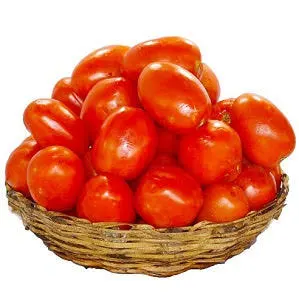
A new study has found that eating tomatoes regularly may help reduce fat buildup in the liver among some adults with metabolic dysfunction-associated steatotic liver disease (MASLD), raising fresh interest in the potential health benefits of the popular fruit.
Tomatoes are a common ingredient in Nigerian kitchens, appearing in everything from jollof rice and stews to sauces, soups and salads.
Now, new research suggests that adding tomatoes to the daily diet could have another potential benefit: supporting liver health...READ THE FULL ARTICLE HERE .
A recent exploratory study involving adults with MASLD found that participants who consumed raw tomatoes and tomato sauce every day experienced a greater reduction in liver fat over six weeks compared with a control group.
However, researchers stressed that more studies are needed before tomatoes can be considered a proven treatment for liver disease.
What the Study Found
The research involved 79 adults diagnosed with metabolic dysfunction-associated steatotic liver disease.
Participants were divided into two groups. One group followed a tomato-free control diet, while the other consumed about 200 grams of raw tomatoes and 50 grams of tomato sauce each day for six weeks.
Researchers then assessed several health indicators, including liver fat, liver stiffness, body composition and cholesterol levels.
Liver fat decreased in both groups, but the reduction was greater among participants who consumed tomatoes daily.
The researchers suggested that tomato consumption may have reduced liver fat without major changes in body weight or abdominal fat.
However, the findings did not show significant differences between the groups in several other measurements, including liver enzymes, cholesterol-related measures, body mass index and liver stiffness. (Medical News Today)
What Is Fatty Liver Disease?
Metabolic dysfunction-associated steatotic liver disease, commonly called MASLD, occurs when excess fat accumulates in the liver in association with metabolic risk factors.
These can include conditions such as obesity, high blood pressure and problems with blood sugar regulation.
The condition can range from relatively mild liver fat accumulation to more serious forms involving inflammation and liver damage.
Because the liver plays an important role in metabolism and many other bodily functions, maintaining good liver health is important.
Why Are Tomatoes Being Studied?
Tomatoes contain several nutrients and plant compounds that have attracted scientific interest.
One of the best-known compounds found in tomatoes is lycopene, a carotenoid responsible for much of the fruit’s red colour.
Researchers are interested in whether compounds such as lycopene and other carotenoids could contribute to potential health effects.
However, the recent study did not directly measure participants’ blood levels of lycopene or carotenoids, meaning researchers could not establish that these compounds were responsible for the reduction in liver fat. (Medical News Today)
How Much Tomato Did Participants Eat?
The participants in the intervention group consumed:
- About 200 grams of raw tomatoes daily
- About 50 grams of tomato sauce daily
- The intervention lasted for six weeks
This is important because the study tested a specific dietary intervention rather than simply asking participants whether they usually ate tomatoes.
It also means the results should not automatically be interpreted as proof that eating any amount of tomatoes every day will reduce liver fat in everyone.
Does This Mean Tomatoes Can Cure Fatty Liver?
No.
The findings are promising, but they do not establish tomatoes as a cure for MASLD.
The study was exploratory and relatively small, and the intervention lasted only six weeks.
Researchers also noted several limitations, including the fact that most participants were men and that people with a body mass index of 30 or above were excluded.
It is therefore unclear whether the same results would apply to people with obesity, older adults or people with more advanced metabolic disease. (Medical News Today)
Other Healthy Ways to Support Your Liver
Adding tomatoes to a balanced diet can be a reasonable choice, but liver health should not depend on one food.
People can support overall metabolic and liver health by adopting broader healthy habits such as:
- Eating more vegetables and whole foods
- Limiting highly processed foods
- Reducing excessive intake of added sugars
- Staying physically active
- Maintaining a healthy weight where appropriate
- Managing blood pressure and blood sugar
- Avoiding excessive alcohol consumption
- Following medical advice when diagnosed with liver disease
A healthy eating pattern is generally more important than relying on a single “superfood.”
How Nigerians Can Add More Tomatoes to Their Diet
For Nigerians, incorporating tomatoes into meals is relatively easy because the fruit is already a major part of local cuisine.
Tomatoes can be added to:
- Fresh salads
- Vegetable sauces
- Homemade stews
- Sandwiches
- Egg dishes
- Beans and other meals
- Homemade tomato-based sauces
However, the way tomatoes are prepared also matters from an overall dietary perspective.
Meals containing large amounts of added salt, sugar or unhealthy fats should not automatically be considered healthy simply because they contain tomatoes.
What Experts Say About the Findings
Health experts have cautioned that the study’s findings should be interpreted carefully.
The research was conducted in a selected group of adults and lasted for only six weeks. This makes it difficult to determine whether the observed reduction in liver fat would continue over a much longer period.
Researchers also could not establish whether raw tomatoes, tomato sauce or the combination of both was responsible for the observed effect.
Further research involving larger and more diverse groups of people will be needed to determine whether tomatoes have a meaningful long-term effect on liver health. (Medical News Today)
The Bottom Line
The latest research offers an interesting reason to include more tomatoes in a balanced diet, particularly because tomatoes are nutritious and versatile.
However, the findings should not be interpreted as proof that tomatoes can cure fatty liver disease or replace medical treatment.
The study found a greater reduction in liver fat among adults with MASLD who consumed raw tomatoes and tomato sauce daily for six weeks, but the research was exploratory and had important limitations.
For now, the best approach is to view tomatoes as one potentially beneficial part of a healthy overall diet, rather than a standalone treatment.
People who have been diagnosed with fatty liver disease should continue to follow advice from their healthcare professionals and should not stop prescribed treatment because of claims about individual foods.