Nigeria is facing renewed concern over Lassa fever after the number of confirmed cases recorded in 2026 surpassed 1,000, with health authorities reporting that dozens of healthcare workers have also been infected.
The development has raised fresh concerns about the continued spread of the viral disease and the risks faced by health workers who are often at the frontline of diagnosis, treatment and prevention efforts.
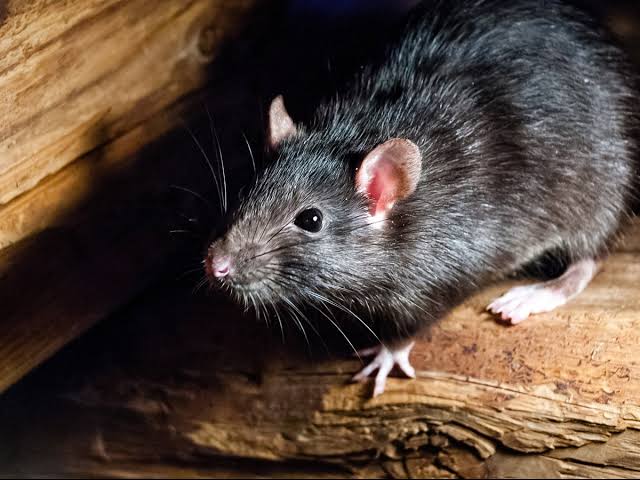
Lassa fever is an acute viral illness that is endemic in parts of West Africa, including Nigeria. It is primarily associated with exposure to food or household items contaminated by the urine or faeces of infected multimammate rats, which are considered the main natural reservoir of the virus...READ THE FULL ARTICLE HERE .
According to the latest situation reported for 2026, Nigeria has recorded more than 1,000 confirmed Lassa fever cases, while 53 healthcare workers have reportedly contracted the disease.
The infection of health workers is particularly concerning because medical personnel are frequently exposed to patients during diagnosis and treatment. Without adequate infection prevention and control measures, healthcare facilities can become places where infectious diseases are inadvertently transmitted.
The situation highlights the importance of protective equipment, proper hand hygiene, safe handling of body fluids, appropriate waste disposal and strict infection prevention procedures in healthcare facilities.
Lassa fever can begin with symptoms that may appear similar to those of several other illnesses. Common symptoms can include fever, weakness, headache, sore throat, muscle pain, vomiting and diarrhoea.
In more severe cases, patients may develop bleeding, breathing difficulties, facial swelling, low blood pressure and problems affecting different organs.
Because the early symptoms can resemble those of malaria and other common illnesses, early medical assessment is important, particularly for people living in areas where Lassa fever transmission occurs.
The disease does not spread as easily as some respiratory infections, but person to person transmission can occur, especially through contact with the blood, urine, faeces or other bodily fluids of an infected person.
Healthcare workers are therefore expected to take particular precautions when caring for suspected or confirmed cases.
For members of the public, preventing contact with rodents remains an important part of reducing the risk of Lassa fever.
Households can reduce potential exposure by keeping food and water in rodent proof containers, maintaining clean surroundings, disposing of rubbish properly and preventing rodents from entering homes.
People should also avoid touching rodents with bare hands and should take precautions when cleaning areas that may have been contaminated by rodent urine or droppings.
Another important preventive measure is ensuring that food is properly stored and protected from rodents. Keeping cooking areas clean and reducing conditions that attract rats can help minimise opportunities for contamination.
The infection of dozens of health workers also underlines the need for health facilities to maintain strong infection prevention and control systems.
Healthcare workers should be provided with appropriate protective equipment and training, while suspected cases should be handled according to established infection control protocols.
The growing number of cases also reinforces the importance of public awareness. People who develop symptoms associated with Lassa fever, particularly after possible exposure to rodents or an infected person, should seek medical attention rather than relying solely on self medication.
Early diagnosis and appropriate treatment can improve outcomes, particularly because severe Lassa fever can become life threatening.
The current situation serves as another reminder that Lassa fever remains an important public health challenge in Nigeria.
While health authorities continue to monitor cases and strengthen response efforts, individuals and communities also have a role to play by maintaining hygienic environments, controlling rodents and seeking prompt medical care when concerning symptoms appear.
As the number of confirmed infections continues to be monitored, protecting healthcare workers and preventing transmission within communities will remain critical to Nigeria’s response to the disease.
For Nigerians, the message is clear: Lassa fever should not be taken lightly, but practical preventive measures, early reporting and prompt medical attention can help reduce the impact of the disease.