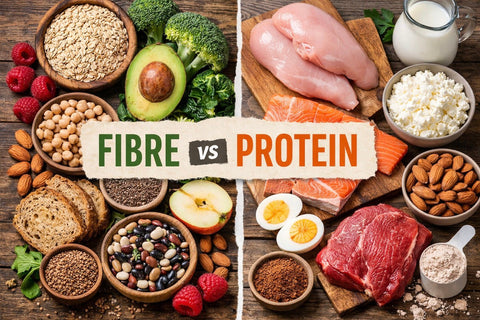
In the world of nutrition, few debates spark as much interest as the battle between fiber and protein. Both nutrients are widely praised for their health benefits, particularly when it comes to weight management, digestive health, and overall wellness. However, many people often wonder which nutrient deserves more attention in their daily diet. While protein has long been celebrated for its muscle-building abilities and appetite control, fiber is increasingly gaining recognition as a powerful tool for maintaining a healthy body and preventing chronic diseases.
Recent nutritional insights suggest that rather than choosing one over the other, understanding the unique roles of fiber and protein can help individuals make smarter dietary decisions and achieve better long-term health outcomes.
Understanding Fiber..READ THE FULL ARTICLE HERE .
Fiber is a type of carbohydrate found primarily in plant-based foods that the body cannot fully digest. Unlike other carbohydrates that are broken down into sugar, fiber passes through the digestive system relatively intact, providing numerous health benefits along the way.
Types of Fiber
Soluble Fiber
Soluble fiber dissolves in water and forms a gel-like substance in the digestive tract. This type of fiber can help lower cholesterol levels, regulate blood sugar, and promote feelings of fullness after meals.
Common sources include:
- Oats
- Beans
- Lentils
- Apples
- Citrus fruits
- Chia seeds
Insoluble Fiber
Insoluble fiber does not dissolve in water and helps move food through the digestive system more efficiently.
Common sources include:
- Whole grains
- Nuts
- Vegetables
- Wheat bran
- Brown rice
Health Benefits of Fiber
Supports Digestive Health
Fiber helps maintain regular bowel movements and reduces the risk of constipation by adding bulk to stool and supporting healthy digestion.
Promotes Weight Management
High-fiber foods often take longer to eat and digest, helping people feel satisfied for longer periods and reducing overall calorie intake.
Helps Control Blood Sugar
Fiber slows the absorption of sugar into the bloodstream, preventing sharp spikes and crashes in blood glucose levels.
Protects Heart Health
Studies have consistently linked higher fiber intake with lower cholesterol levels and reduced risk of cardiovascular disease.
Supports Gut Microbiome
Fiber serves as food for beneficial gut bacteria, helping maintain a balanced digestive system and supporting immune function.
Understanding Protein
Protein is one of the body’s essential macronutrients and plays a crucial role in building, repairing, and maintaining tissues. Every cell in the human body contains protein, making it vital for overall health and survival.
Sources of Protein
Animal-Based Protein Sources
- Chicken
- Turkey
- Fish
- Eggs
- Dairy products
- Lean beef
Plant-Based Protein Sources
- Beans
- Lentils
- Tofu
- Tempeh
- Edamame
- Quinoa
Health Benefits of Protein
Builds and Maintains Muscle
Protein provides amino acids that are necessary for muscle growth, recovery, and preservation, particularly during weight loss.
Enhances Satiety
Protein is known for its ability to keep people feeling full for extended periods, helping reduce hunger and unnecessary snacking.
Supports Metabolism
The body uses more energy to digest protein compared to fats and carbohydrates, slightly increasing calorie expenditure.
Essential for Body Functions
Protein contributes to the production of enzymes, hormones, antibodies, and other compounds required for proper bodily function.
Helps Preserve Lean Body Mass
During calorie-restricted diets, adequate protein intake helps prevent muscle loss while promoting fat reduction.
Fiber vs Protein: Which Is Better for Weight Loss?
Fiber’s Advantage
Fiber-rich foods tend to be lower in calories and higher in volume, allowing individuals to eat satisfying portions without consuming excessive calories. The slower digestion rate also contributes to prolonged feelings of fullness.
Protein’s Advantage
Protein is highly effective at reducing appetite and preserving muscle mass during weight loss. It also helps stabilize energy levels and can make calorie-controlled diets easier to maintain.
The Real Winner
Nutrition experts increasingly emphasize that the question should not be whether fiber is better than protein or vice versa. Instead, the most effective approach is incorporating adequate amounts of both nutrients into daily meals.
A balanced diet that includes high-fiber vegetables, fruits, legumes, and whole grains alongside quality protein sources can maximize satiety, support digestive health, maintain muscle mass, and improve overall wellness.
Why Most People Need More Fiber
While protein consumption has become a major focus in modern diets, fiber remains one of the most under-consumed nutrients worldwide. Many individuals fail to meet recommended daily fiber intake levels, increasing their risk of digestive issues, heart disease, and metabolic disorders.
Nutrition experts recommend prioritizing whole foods such as vegetables, fruits, legumes, nuts, seeds, and whole grains to naturally boost fiber consumption.
How to Balance Fiber and Protein in Your Diet
Creating meals that contain both fiber and protein can provide the best of both worlds.
Examples include:
- Oatmeal topped with nuts and seeds
- Greek yogurt with berries
- Grilled chicken with vegetables and brown rice
- Lentil soup with whole-grain bread
- Bean salads with lean protein
- Tofu stir-fry with mixed vegetables
Final Thoughts
The debate between fiber and protein is not about declaring a single winner. Both nutrients perform different but equally important functions that contribute to overall health. Protein helps build and preserve muscle, supports metabolism, and keeps hunger at bay, while fiber improves digestion, promotes gut health, regulates blood sugar, and supports heart health.
For individuals seeking sustainable weight loss and long-term wellness, the smartest strategy is not choosing one nutrient over the other but ensuring that both fiber and protein are consistently included in everyday meals. By combining these nutritional powerhouses, people can create a healthier, more balanced approach to eating that delivers benefits far beyond the number on the scale.