Public outrage is mounting following a devastating hit-and-run accident on the Lagos-Ibadan Expressway that claimed the lives of two women, with many Nigerians questioning how yet another deadly road tragedy could occur on one of the country’s most important highways without the culprit being immediately apprehended. The heartbreaking incident has reignited concerns about reckless driving, weak enforcement of traffic regulations and the growing number of motorists who flee accident scenes after causing fatal crashes.
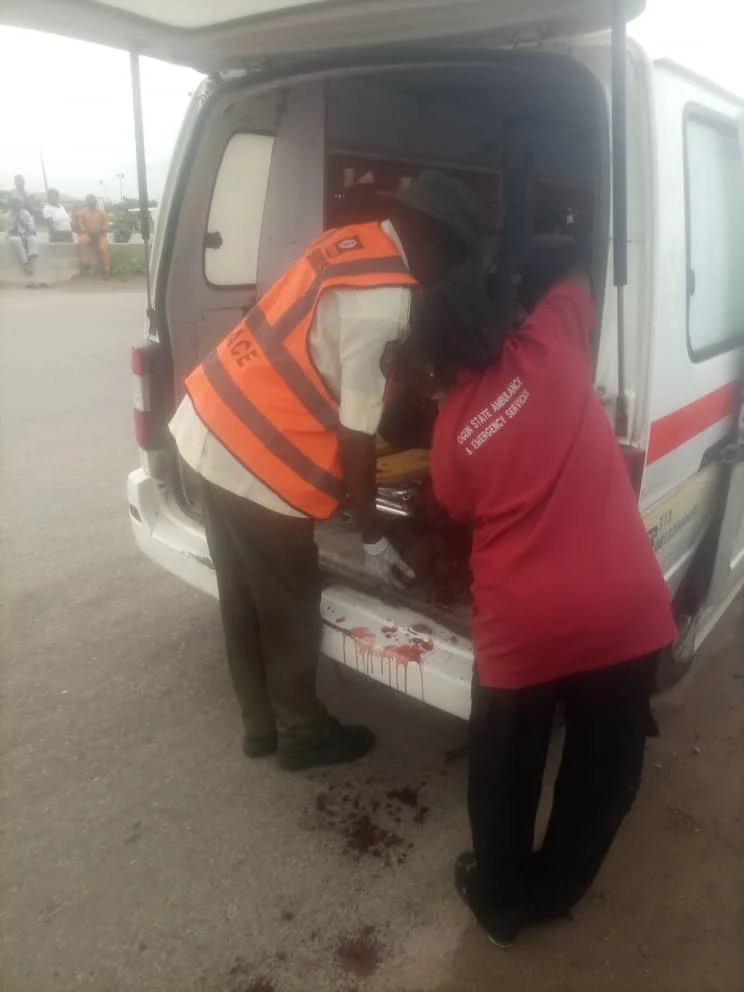
According to reports, the two women lost their lives after being struck by a vehicle whose driver reportedly sped away from the scene immediately after the collision. Witnesses described a chaotic and emotional atmosphere as passersby and other road users rushed to help the victims. Unfortunately, the injuries sustained by the women were said to be severe, and they were later confirmed dead, turning what began as an ordinary day into a tragedy that has left families, friends and members of the public in mourning.
The incident has once again drawn attention to the alarming rate of hit-and-run accidents on Nigerian roads. For many road safety advocates, the most disturbing aspect of such crashes is not only the loss of life but the decision by some drivers to abandon victims and escape responsibility. In many cases, precious minutes that could have been used to provide emergency medical assistance are lost while victims are left helpless on the road. This reality has fueled fresh calls for stronger penalties against motorists who flee accident scenes and for authorities to deploy more surveillance technology on major highways...READ THE FULL ARTICLE HERE .
The Lagos-Ibadan Expressway, a critical route linking Lagos with several states across the country, has long been associated with heavy traffic, high-speed driving and recurring accidents. Despite various rehabilitation projects and safety campaigns over the years, the highway continues to witness numerous crashes, many of them fatal. Road users have repeatedly complained about excessive speeding, dangerous overtaking, driver fatigue and poor compliance with traffic regulations, all of which contribute to the persistent safety challenges on the expressway.
The deaths of the two women have also sparked broader conversations about accountability on Nigerian roads. Many citizens have questioned how drivers involved in fatal accidents are often able to escape without immediate arrest. Some have argued that the absence of widespread highway surveillance systems and inadequate monitoring mechanisms make it easier for offenders to evade justice. Others believe that more investment is needed in modern traffic enforcement technologies, including cameras capable of identifying vehicles involved in serious road incidents.
As news of the tragedy spread, sympathies poured in for the families of the victims, while calls for justice grew louder. Community leaders, safety advocates and concerned citizens have urged law enforcement agencies to intensify efforts to track down the fleeing driver and ensure that those responsible are held accountable. Many have stressed that failure to bring offenders to justice only encourages a culture of impunity and undermines public confidence in road safety enforcement.
Beyond the immediate grief caused by the incident, the tragedy serves as a painful reminder of the dangers that continue to confront millions of Nigerians who travel on the nation’s highways every day. For the families of the deceased women, the loss is immeasurable. What should have been another routine journey ended in heartbreak, leaving loved ones to grapple with the sudden and devastating reality of lives cut short.
As investigations continue, many Nigerians will be watching closely to see whether authorities can identify the driver responsible and deliver justice for the victims. Until then, the deaths of the two women stand as another grim chapter in the growing list of fatal road accidents that have raised urgent questions about safety, enforcement and accountability on Nigeria’s roads.