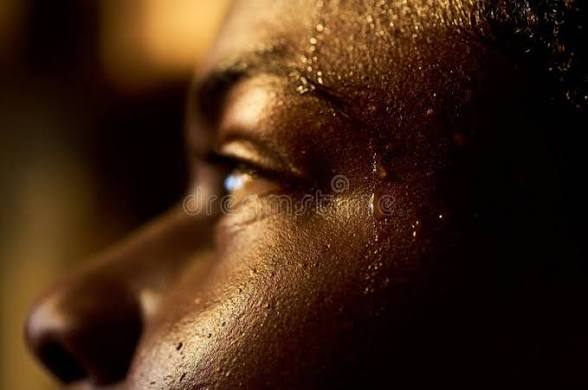
Sweating is a normal process that helps the body regulate its temperature, especially during hot weather, exercise or periods of physical activity. However, sweating that occurs excessively or without an obvious reason may sometimes be linked to an underlying health condition.
Excessive sweating, medically known as hyperhidrosis, can affect specific areas such as the palms, feet, face and underarms, or it can involve much of the body. In some cases, there is no underlying disease, while in others, excessive sweating may occur as a symptom of another condition.
Here are five health conditions that can be associated with excessive sweating...READ THE FULL ARTICLE HERE .
1. Diabetes and Low Blood Sugar
Changes in blood sugar levels can sometimes trigger sweating. In particular, low blood sugar, known as hypoglycaemia, can be associated with sweating and other symptoms.
People with diabetes who experience unexplained or repeated episodes of heavy sweating, especially alongside shakiness, dizziness, hunger, weakness or confusion, should discuss the symptoms with a healthcare professional.
It is important not to assume that sweating automatically means a person has diabetes, because excessive sweating has many possible causes.
2. Overactive Thyroid
An overactive thyroid, medically known as hyperthyroidism, occurs when the thyroid gland produces too much thyroid hormone.
Because thyroid hormones influence several body functions, an overactive thyroid can be associated with increased sweating and heat intolerance.
Other symptoms can include:
* Unexplained weight loss
* Rapid or irregular heartbeat
* Trembling
* Increased appetite
* Difficulty sleeping
* Nervousness or irritability
* Feeling unusually warm
Anyone experiencing a combination of these symptoms should seek medical evaluation rather than attempting to treat the sweating alone.
3. Infections
Some infections can cause excessive sweating, particularly when they are accompanied by fever or changes in body temperature.
Night sweats can occur with certain infections, including tuberculosis, although night sweating can have many other causes as well.
Other symptoms such as persistent fever, unexplained weight loss, prolonged cough, weakness or swollen lymph nodes may provide important clues about the underlying problem.
Persistent or unexplained night sweats should therefore be discussed with a healthcare professional.
4. Certain Nervous System Conditions
The nervous system plays an important role in controlling the body’s sweat glands. Conditions affecting the nervous system can sometimes interfere with normal sweating patterns.
Neurological conditions have been associated with secondary hyperhidrosis, although excessive sweating alone is not enough to identify a particular neurological disorder.
If sweating develops suddenly or occurs alongside symptoms such as weakness, numbness, changes in movement or other unusual neurological symptoms, medical assessment is important.
5. Some Cancers
Certain cancers, including some blood cancers such as lymphoma and leukemia, can be associated with excessive sweating, particularly night sweats.
However, night sweats are not specific to cancer and can occur for many other reasons, including infections, medications and hormonal changes.
Persistent night sweats accompanied by symptoms such as unexplained weight loss, prolonged fever, unusual tiredness or swollen lymph nodes should be evaluated by a healthcare professional rather than assumed to be cancer.
Excessive Sweating Does Not Always Mean You Have a Disease
It is important to understand that excessive sweating can occur without another medical condition.
Primary hyperhidrosis is a form of excessive sweating that is not caused by an identifiable underlying disease. It commonly affects areas such as the hands, feet, underarms or face and may run in families.
Excessive sweating can also be associated with certain medications, hormonal changes and other factors.
This means that someone who sweats heavily should not automatically conclude that they have one of the conditions listed above.
When Should Excessive Sweating Be Checked?
Occasional sweating is usually normal, particularly in hot weather or after physical activity. However, medical attention may be appropriate when sweating is unusual, persistent or interfering with everyday life.
You should consider speaking with a healthcare professional if:
* You suddenly start sweating much more than usual.
* Heavy sweating repeatedly occurs without an obvious reason.
* You regularly experience unexplained night sweats.
* Sweating interferes with work, sleep or daily activities.
* Excessive sweating occurs alongside other unexplained symptoms.
* The problem continues despite simple measures to control it.
Sudden heavy sweating accompanied by symptoms such as chest pain, nausea or lightheadedness requires urgent medical attention.
How Doctors May Find the Cause
Determining the reason for excessive sweating usually involves looking at the person’s symptoms, medical history and medications.
Depending on the situation, a healthcare professional may recommend physical examination or laboratory tests to investigate possible underlying conditions such as thyroid problems or blood sugar abnormalities.
Treatment depends on the cause. If another medical condition or medication is responsible, addressing that cause may help reduce the sweating. When no underlying condition is found, there are also treatments specifically designed to control excessive sweating.
Simple Ways to Manage Excessive Sweating
While the underlying cause should be addressed when necessary, some everyday measures may help reduce discomfort.
* Wear loose-fitting and breathable clothing.
* Choose moisture-absorbing socks if your feet sweat heavily.
* Keep the skin dry where possible.
* Use an appropriate antiperspirant.
* Avoid foods or drinks that you notice trigger heavier sweating.
* Change damp clothing when necessary.
* Keep a record of when excessive sweating occurs and any accompanying symptoms.
These measures may help manage symptoms but should not replace medical evaluation when sweating is persistent or unexplained.
The Bottom Line
Excessive sweating can be caused by something as simple as heat or physical activity, but persistent or unexplained sweating can sometimes be associated with conditions such as blood sugar problems, an overactive thyroid, infections, nervous system disorders and certain cancers.
The presence of excessive sweating does not mean that someone has any of these diseases. The important thing is to pay attention to persistent changes, particularly when sweating occurs alongside other unusual symptoms.
If heavy sweating suddenly develops, becomes persistent or interferes with daily life, getting a proper medical assessment can help identify the underlying cause and determine the appropriate treatment.