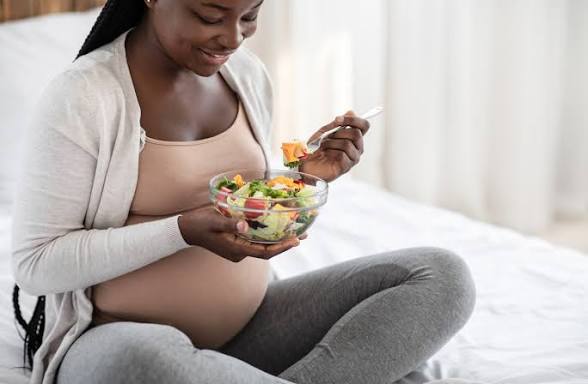
Pregnancy is a period when a woman’s nutritional needs change significantly. The foods eaten during this stage provide energy and nutrients needed to support the mother’s health while also contributing to the growth and development of the unborn baby.
However, pregnancy does not mean that a woman should simply eat as much food as possible. The popular idea of “eating for two” can encourage overeating and may lead to excessive weight gain. What matters more is the nutritional quality, balance and safety of the foods being consumed.
A healthy pregnancy diet should contain a variety of nutrient-rich foods while limiting foods and drinks that may be harmful. Here are some important eating habits expectant mothers can adopt...READ THE FULL ARTICLE HERE .
1. Focus on Nutrient-Rich Foods
Pregnant women need a balanced combination of carbohydrates, proteins, healthy fats, vitamins, minerals and fibre.
Instead of filling up mainly on highly processed foods, meals can include:
* Fruits and vegetables
* Whole grains and other healthy carbohydrate sources
* Beans and other legumes
* Eggs, fish and lean sources of protein
* Nuts and seeds
* Dairy products or suitable alternatives
* Healthy sources of fats
Eating a variety of foods helps provide different nutrients required throughout pregnancy.
2. Eat Fruits and Vegetables Regularly
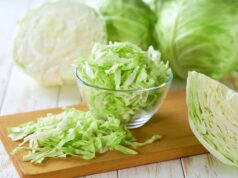
Fruits and vegetables can provide important vitamins, minerals, fibre and water.
Fruits such as bananas, watermelon and pears can make convenient snacks, while vegetables can be incorporated into soups, stews, rice dishes and other meals.
Fibre-rich foods may also help support healthy digestion, which is particularly useful because constipation can occur during pregnancy.
3. Do Not Skip Protein
Protein is an important part of a healthy pregnancy diet because it supports the growth and maintenance of body tissues.
Good sources include:
* Eggs
* Beans
* Fish
* Chicken
* Lean meat
* Milk and other dairy products
* Nuts and seeds
Protein can be spread across different meals rather than consumed in one large portion.
4. Choose Healthy Snacks
Hunger can increase during pregnancy, making snacks an important part of some women’s daily eating routine.
Rather than relying heavily on sweets, pastries or heavily processed snacks, healthier options can include:
* Fresh fruits
* Boiled groundnuts
* Garden eggs
* Cucumber
* Boiled corn
* Plain yoghurt
* Nuts and seeds
The right snack can provide additional nutrients without making the diet unnecessarily high in added sugar or unhealthy fats.
5. Stay Properly Hydrated
Adequate fluid intake is important during pregnancy. Water should generally be the main drink, while sugary beverages should not become a major part of the daily diet.
Fruits and vegetables with high water content can also contribute to overall fluid intake.
Pregnant women experiencing persistent vomiting, difficulty keeping fluids down or signs of dehydration should seek medical advice.
6. Be Careful With Alcohol and Other Risky Choices
Alcohol should be avoided during pregnancy because exposure can harm the developing baby.
Pregnant women should also discuss medicines, supplements and herbal preparations with a qualified healthcare professional before using them. Natural does not automatically mean safe during pregnancy.
Food safety is equally important. Properly wash fruits and vegetables, cook animal products thoroughly and follow appropriate food-storage practices to reduce the risk of foodborne infections.
7. Do Not Follow Every Pregnancy Food Myth
Pregnancy often comes with advice from relatives, friends and social media. Some traditional recommendations may be harmless, while others may not be supported by medical evidence or may even be unsafe.
A pregnant woman should be cautious about adopting restrictive diets, taking unverified herbal mixtures or consuming particular foods in unusually large quantities simply because someone claims they are beneficial for pregnancy.
When there is uncertainty, a doctor, midwife, dietitian or other qualified healthcare professional can provide guidance based on the woman’s individual needs.
8. Take Recommended Prenatal Supplements
A balanced diet is important, but some pregnant women may still require supplements to meet increased nutritional needs.
Healthcare professionals may recommend nutrients such as folic acid, iron, iodine or other supplements depending on the woman’s circumstances.
Pregnant women should take supplements according to professional advice rather than self-prescribing large doses.
What Should a Balanced Pregnancy Plate Look Like?
A simple way to improve eating habits during pregnancy is to aim for variety at mealtimes.
A balanced meal can contain:
* A carbohydrate source such as rice, potatoes, yam or whole grains
* A protein source such as beans, eggs, fish or lean meat
* Vegetables or other nutrient-rich plant foods
* A moderate amount of healthy fat
* Water or another appropriate low-sugar drink
The exact amount a woman needs can vary depending on her stage of pregnancy, activity level, health status and individual nutritional requirements.
When Should a Pregnant Woman Seek Professional Advice?
Every pregnancy is different. Women with conditions such as diabetes, severe anaemia, persistent vomiting, food allergies or other medical concerns may need specific dietary guidance.
A healthcare professional should also be consulted if there is significant or unexplained weight loss, difficulty eating, persistent dehydration or concerns about whether a particular food, supplement or medication is safe during pregnancy.
The Bottom Line
Healthy eating during pregnancy is not about eating twice as much food. It is about giving the body a balanced supply of nutrients while supporting the healthy development of the baby.
Regular meals, nutritious snacks, adequate hydration, safe food preparation and appropriate prenatal supplements can all form part of a healthy pregnancy routine. Most importantly, pregnant women should seek professional guidance when they have concerns about their diet or pregnancy rather than relying solely on food myths or advice from unverified sources.