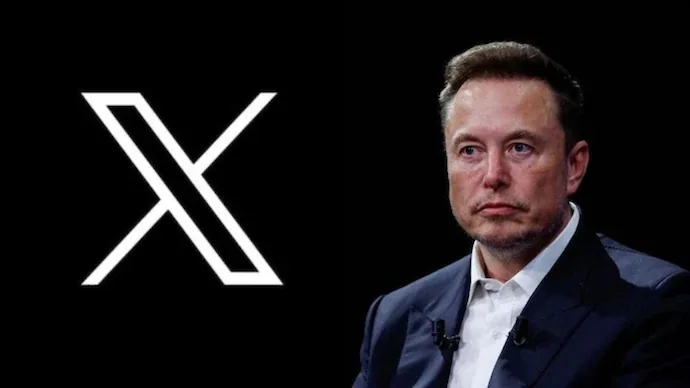
Social media platform X has reportedly ended its revenue sharing programme for users, bringing an end to a monetisation system that allowed eligible creators to receive payments based on the performance and engagement generated by their posts.
The development represents a significant change for creators who have relied on the platform’s revenue sharing programme as an additional source of income. Since the introduction of creator monetisation features, X has encouraged users to publish engaging content by offering eligible accounts the opportunity to earn money from activity generated on the platform.
Under the previous system, qualifying users could receive a share of advertising revenue associated with their content. The programme became particularly attractive to creators, journalists, commentators and other highly active users who were able to build large audiences and generate substantial engagement...READ THE FULL ARTICLE HERE .
The decision to end the revenue sharing arrangement is therefore expected to affect a large number of users who had incorporated X earnings into their digital income strategies.
The platform, formerly known as Twitter, has undergone major changes since billionaire Elon Musk acquired it and renamed it X. Monetisation has been one of the areas that received significant attention under the new ownership, with the company introducing several programmes aimed at encouraging creators to remain active and produce content on the platform.
The revenue sharing programme was particularly significant because it represented a shift from the traditional social media model in which platforms largely retained advertising income generated around user content. By allowing eligible creators to receive a portion of the revenue, X positioned itself as a competitor to other platforms offering financial incentives to content creators.
The reported termination could therefore force creators to reconsider how they use the platform and where they invest their time and resources. Users who joined X partly because of its monetisation opportunities may now have to explore alternative platforms or other methods of earning from their online audiences.
For many creators, social media income has become an important part of the digital economy. Platforms such as YouTube, TikTok, Facebook and Instagram have developed different monetisation systems that allow creators to earn through advertising, subscriptions, gifts, brand partnerships and other revenue streams.
The decision by X could consequently increase competition among social media platforms for creators. Content producers are increasingly looking beyond audience size and considering which platforms offer the most reliable and sustainable financial opportunities.
The change may also raise questions about X’s broader business strategy. Since Musk’s takeover, the company has introduced and modified several features as it attempts to increase revenue, attract advertisers and reduce its dependence on traditional advertising.
X has faced considerable pressure to strengthen its financial performance, particularly following changes in advertising activity on the platform. The company has therefore continued to experiment with subscriptions, creator payments and other commercial features.
For users who benefited from the revenue sharing programme, the reported decision is likely to be disappointing, especially for creators who invested significant time building audiences with the expectation that increased engagement could translate into financial rewards.
The development also highlights the uncertainty that can come with relying heavily on third party platforms for income. Social media companies control their monetisation policies and can change eligibility requirements, payment structures or entire programmes at any time.
Creators who depend on social media earnings are therefore increasingly encouraged to diversify their income sources rather than rely entirely on one platform.
Despite the reported end of revenue sharing, X remains one of the world’s most influential social media platforms, particularly for breaking news, politics, entertainment, sports and public commentary. Its large global user base means that creators are still likely to have strong reasons to remain active on the platform even without direct revenue sharing.
The major question now is whether X will introduce another monetisation model to replace the programme or redirect its creator incentives towards other features.
For now, the reported decision marks another major change in X’s evolving approach to creators and monetisation. Users who once viewed the platform as both a place to build an audience and earn revenue may now have to adjust their strategies as the company continues to reshape its business model under Elon Musk.