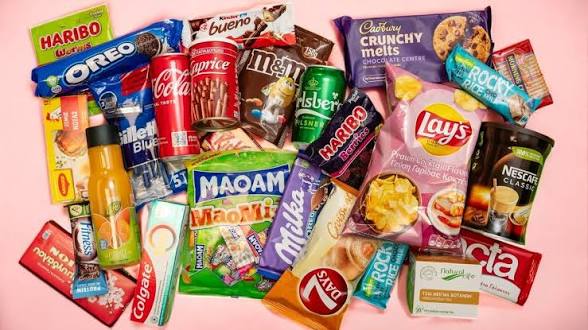
What you eat in the hours before bedtime can affect how comfortable you feel at night and, in some cases, how well you sleep. While having a small snack before bed is not necessarily unhealthy, eating large portions of certain foods late at night may contribute to indigestion, heartburn, bloating or disrupted sleep.
Foods that are particularly high in caffeine, sugar, fat or spice can be problematic for some people when consumed close to bedtime. However, individual responses differ, and eating at night does not automatically cause weight gain. Overall food intake, portion sizes and dietary patterns remain important.
Here are 10 foods and food categories worth limiting before going to bed...READ THE FULL ARTICLE HERE .
1. Coffee and Other Caffeinated Drinks
Coffee is one of the most obvious drinks to limit close to bedtime because caffeine is a stimulant that can make it harder for some people to fall asleep.
Caffeine can remain active in the body for several hours, meaning an afternoon or evening cup may still affect nighttime sleep.
Other caffeinated beverages, including some energy drinks and certain teas, can have a similar effect.
2. Energy Drinks
Energy drinks often contain substantial amounts of caffeine and may also contain added sugars.
Taking them late in the day can make it more difficult for some people to relax and prepare for sleep.
People who are sensitive to caffeine may notice the effects even when the drink is consumed several hours before bedtime.
3. Spicy Foods
Pepper-rich and heavily spiced meals can cause discomfort for some people, particularly those who are prone to heartburn or acid reflux.
Eating a spicy meal shortly before lying down may make these symptoms more noticeable.
If spicy foods regularly cause nighttime discomfort, it may be better to consume them earlier in the day or reduce the portion size at dinner.
4. Fried and Very Fatty Foods
Fried chicken, chips, heavily fried snacks and other high-fat meals can be difficult for some people to digest comfortably.
Large portions of fatty food late at night may leave a person feeling overly full or uncomfortable when they are trying to sleep.
Rather than completely eliminating fats from the diet, the focus should be on moderation and choosing healthier sources of fat as part of a balanced diet.
5. Sugary Foods and Sweets
Foods such as sweets, cakes, biscuits and other heavily sugary snacks can provide a large amount of added sugar without supplying many essential nutrients.
Consuming large quantities late at night may also contribute to excess calorie intake.
For people who frequently crave something sweet before bed, a smaller portion or a more nutrient-dense snack may be a better option.
6. Chocolate
Chocolate can be a tempting late-night snack, but some varieties contain caffeine and other compounds that may affect sleep in sensitive individuals.
Chocolate products can also contain significant amounts of sugar and fat.
If chocolate seems to interfere with your sleep, consider eating it earlier in the day or keeping the portion small.
7. Large Portions of Processed Snacks
Potato chips, packaged snacks and similar foods are often high in salt, fat or calories.
Eating a large quantity immediately before bed can leave the stomach feeling full and uncomfortable.
Instead of making processed snacks a regular nighttime habit, choose lighter portions and prioritize nutrient-rich foods throughout the day.
8. Heavy Fast Foods
Pizza, burgers, fried chicken and other heavy fast-food meals can contain substantial amounts of fat, salt and calories.
Eating a large fast-food meal immediately before lying down may contribute to digestive discomfort or heartburn in some people.
If you choose these foods, eating them earlier and keeping portions moderate can be more comfortable than having a very large meal just before sleep.
9. Acidic Foods That Trigger Reflux
Tomatoes, citrus fruits and other acidic foods are nutritious and do not need to be avoided by everyone.
However, people who experience acid reflux may find that certain acidic foods trigger or worsen their symptoms, particularly when eaten close to bedtime.
If a particular food consistently causes nighttime heartburn, consider discussing the pattern with a healthcare professional.
10. Large Meals Close to Bedtime
The issue is not always one specific food. Sometimes the bigger problem is simply eating too much immediately before going to bed.
A very large meal can leave the digestive system working while the person is trying to sleep and may increase discomfort, particularly in people prone to reflux.
Whenever possible, allow some time between a substantial evening meal and bedtime.
What Can You Eat If You Are Hungry at Night?
Going to bed hungry is not necessarily the goal either. If you genuinely need a snack, a small and balanced option may be more appropriate than a large meal.
Possible choices include:
* A small serving of plain yoghurt
* A piece of fruit
* A small amount of nuts
* Whole-grain toast with a modest amount of nut butter
* A light, protein-containing snack
The appropriate choice can depend on an individual’s health, dietary needs and tolerance.
Eating at Night Does Not Automatically Mean Weight Gain
One common misconception is that every food eaten at night automatically turns into body fat.
Weight changes are influenced by factors including total calorie intake, food choices, physical activity and individual metabolism. Therefore, the time of day alone does not determine whether someone gains or loses weight.
However, frequent late-night consumption of high-calorie foods can contribute to excessive calorie intake, especially when it becomes an additional meal rather than a small snack.
People With Certain Conditions May Need Extra Caution
People who experience gastroesophageal reflux disease, diabetes or other health conditions may have specific dietary requirements.
For example, individuals managing blood sugar may need personalized advice about meal timing and nighttime snacks. Similarly, people with frequent nighttime reflux may benefit from modifying meal size and timing.
Anyone with persistent symptoms should seek advice from a qualified healthcare professional rather than relying solely on general dietary tips.
The Bottom Line
A healthy nighttime eating habit is less about creating a long list of foods that everyone must completely avoid and more about paying attention to portion size, meal timing and individual tolerance.
Caffeine, very spicy foods, heavily fried meals, sugary snacks and large portions may interfere with sleep or digestion for some people when consumed close to bedtime. Choosing lighter, balanced foods when genuinely hungry and allowing time between a substantial meal and sleep can support greater nighttime comfort.
Most importantly, a healthy diet should be judged by the overall pattern of eating rather than a single meal or snack.