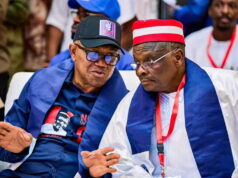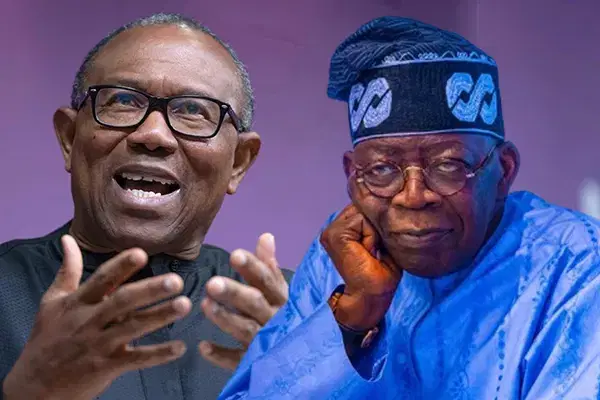
A fresh political confrontation has erupted between the Presidency and former Anambra State governor Peter Obi after the opposition figure urged President Bola Ahmed Tinubu to resign, citing the example of British Prime Minister Keir Starmer’s decision to step down amid growing public dissatisfaction in the United Kingdom. The exchange has sparked renewed debate about political accountability, governance performance and the differences between Nigeria’s presidential system and the parliamentary model practised in Britain.
Peter Obi argued that President Tinubu should consider leaving office because many of the promises made during the 2023 election campaign have not translated into improved living conditions for Nigerians. He pointed to worsening economic hardship, persistent insecurity, unreliable electricity supply and declining purchasing power as evidence that the administration has failed to meet public expectations. Obi said leaders must take responsibility when they are unable to deliver on their commitments to citizens.
The former presidential candidate also recalled that before becoming president, Tinubu had openly criticised former President Goodluck Jonathan over insecurity and economic challenges and had even called for his resignation during periods of national crisis. Obi argued that the same standard of accountability should now apply to the current administration. According to him, asking leaders to take responsibility for their performance is essential to building a stronger democratic culture. ..READ THE FULL ARTICLE HERE .
The Presidency, however, swiftly rejected Obi’s position, describing his demand as childish, hollow and misguided. Presidential spokesman Bayo Onanuga insisted that Nigeria operates a constitutional presidential system rather than a parliamentary system like the United Kingdom, making direct comparisons inappropriate. He stressed that President Tinubu was elected for a fixed term and can only be removed through constitutional procedures or ultimately judged by voters during the next election cycle.
Presidential aides further argued that Obi should focus on preparing for future elections rather than calling for a resignation outside established democratic processes. They maintained that governance should be assessed at the ballot box and not through political pressure campaigns on social media or public statements.
The controversy has once again highlighted the growing intensity of Nigeria’s political landscape as parties position themselves ahead of the 2027 general elections. It also reflects the deep divisions over the Tinubu administration’s handling of economic reforms, inflation, insecurity and the overall state of the economy.
While Obi’s comments have resonated with some Nigerians frustrated by economic difficulties, supporters of the government argue that many of the administration’s reforms require more time to produce measurable results. Regardless of the opposing views, the exchange has reignited a broader national conversation about leadership accountability, democratic responsibility and what citizens should expect from elected officials.