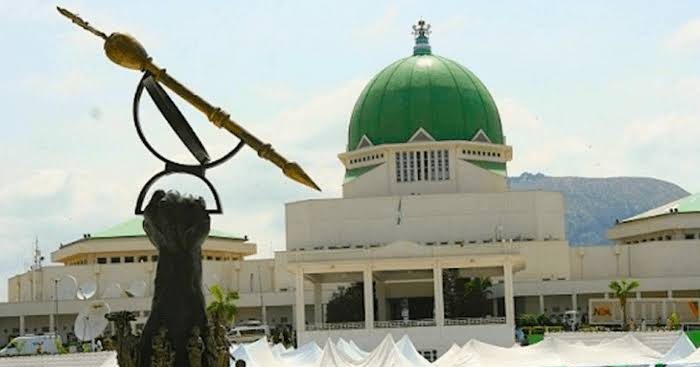
Nigeria’s National Assembly has suspended official parliamentary engagements with South Africa following renewed concerns over the safety and treatment of Nigerians living and doing business in the country.
Under the directive, senators, members of the House of Representatives, committees, officials and staff are barred from official visits to South Africa and from participating in legislative conferences, meetings, seminars, workshops and other engagements organised or hosted by South African legislative authorities until further notice.
The decision followed reports of Nigerians being killed, injured, displaced and forced to abandon their businesses, homes and investments amid renewed xenophobic attacks. The National Assembly said it was particularly concerned that such incidents have continued despite repeated appeals for South African authorities to take stronger measures to protect Nigerians and other foreign nationals...READ THE FULL ARTICLE HERE .
The suspension also covers virtual parliamentary engagements, meaning Nigerian lawmakers and officials will generally not participate in online programmes organised by South African legislative institutions without approval from the leadership of the National Assembly. Existing invitations and planned engagements involving South Africa are also expected to be reviewed.
The National Assembly described the action as a firm response to concerns over the safety, dignity and welfare of Nigerians, while stressing that it does not amount to a rejection of Nigeria’s longstanding diplomatic and people to people relationship with South Africa.
The legislature called on the South African government to take urgent steps to protect Nigerians, prevent further xenophobic attacks, investigate reported incidents and prosecute those responsible.
The suspension will remain in force until further notice and could be reviewed depending on developments in South Africa. The move marks a significant escalation in Nigeria’s parliamentary response to recurring attacks against its citizens and puts renewed pressure on South African authorities to address the concerns.