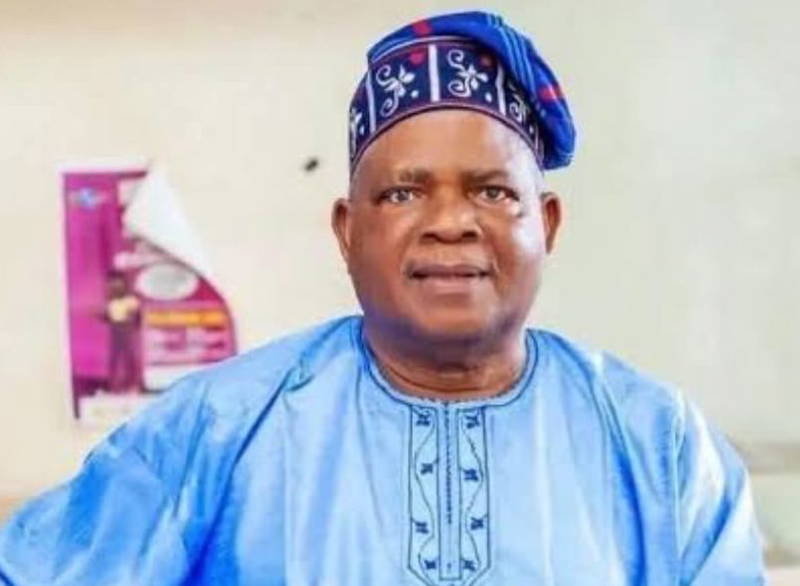
Nigeria’s entertainment industry has been thrown into mourning following the death of veteran actor, dramatist, filmmaker, and respected theatre scholar, Kola Oyewo, who passed away at the age of 80. The celebrated thespian, whose career spanned more than six decades, left an enduring mark on Nigerian theatre, academia, and the Yoruba film industry, earning admiration from generations of actors, students, and movie lovers.
The news of his passing was confirmed by family members and colleagues, triggering an outpouring of tributes from across the country. Many described him as one of the pillars of Nigerian performing arts whose dedication to preserving indigenous storytelling helped shape the evolution of modern Nollywood.
Born on March 27, 1946, in Oba-Ile, Osun State, Oyewo began his professional acting journey in 1964 with the renowned Oyin Adejobi Theatre Group. His talent quickly distinguished him from his peers, and he went on to become one of the most respected figures in Yoruba theatre. Over the years, his commanding stage presence, deep understanding of traditional culture, and exceptional acting ability earned him widespread acclaim. ..READ THE FULL ARTICLE HERE .
While he enjoyed success on stage, it was his transition to film that introduced him to a broader audience. He became a household name through memorable performances in classic productions such as the acclaimed political drama Saworoide, where he brilliantly portrayed the character of Oba Lapite. The film remains one of the most celebrated works in Nigerian cinema and is often cited as a masterpiece of political and cultural storytelling.
Beyond Saworoide, Oyewo featured in several iconic productions including Sango, Koseegbe, O Le Ku, Efunsetan Aniwura, and numerous Yoruba-language films that helped define an era of indigenous filmmaking. His ability to embody royal figures, elders, and culturally significant characters made him one of the most recognizable faces in the industry.
Away from the screen, Oyewo was equally respected in academic circles. Armed with advanced degrees in theatre arts and drama, including a doctorate from the University of Ibadan, he dedicated a significant part of his life to teaching and mentoring young talents. He lectured at institutions such as Obafemi Awolowo University, Redeemer’s University, and Elizade University, where he helped nurture future generations of actors, playwrights, and scholars.
Colleagues and former students have described him as a man of immense wisdom, humility, and discipline whose influence extended far beyond the entertainment industry. His contributions to the preservation of Yoruba culture and the promotion of African theatre earned him widespread respect both at home and abroad.
Tributes have continued to pour in from fans, public figures, and members of the creative industry, many recalling the unforgettable characters he brought to life and the knowledge he generously shared throughout his career. For countless Nigerians, Kola Oyewo represented a bridge between traditional theatre and contemporary cinema, ensuring that local stories and cultural values remained relevant in an ever-changing entertainment landscape.
Although his passing marks the end of an extraordinary chapter in Nigerian arts and culture, his legacy remains firmly intact. Through his films, stage productions, academic work, and mentorship, Kola Oyewo leaves behind a body of work that will continue to inspire future generations. His death may have silenced one of the most recognizable voices in Yoruba theatre, but his impact on Nigerian storytelling will endure for many years to come.