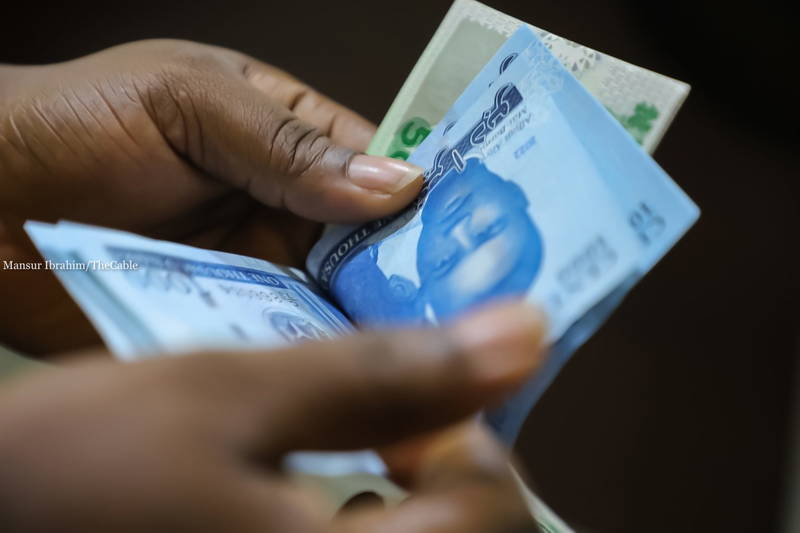
The naira has recorded a modest appreciation, trading around ₦1,390 per dollar in the parallel market, reflecting a brief period of relative calm in Nigeria’s foreign exchange landscape. The movement signals a cautious stabilisation phase rather than a sustained recovery, as the currency continues to operate within a structurally constrained environment.
From a macroeconomic perspective, the gain appears to be driven by short-term liquidity improvements and a temporary easing of demand pressures in the informal FX market. Analysts also point to a gradual narrowing of the gap between official and parallel market rates, suggesting reduced speculative arbitrage activity in recent trading sessions...READ THE FULL ARTICLE HERE .
However, the broader fundamentals of Nigeria’s foreign exchange system remain largely unchanged. The economy is still heavily import-dependent, with limited export diversification, meaning that FX demand consistently outpaces supply over the long term. This structural imbalance continues to place inherent pressure on the naira, making any appreciation episodes fragile and often short-lived.
Monetary authorities have introduced various liquidity management measures and interventions aimed at stabilising the market, and these have contributed to reducing extreme volatility. Still, economists widely agree that such measures provide short-term relief rather than addressing the core drivers of currency weakness.
External factors such as oil revenue fluctuations, capital inflow volatility, and global financial conditions also continue to play a significant role in shaping exchange rate movements. As a result, the naira remains highly sensitive to shifts in both domestic policy and international market dynamics.
In essence, the current appreciation to ₦1,390 per dollar reflects a managed equilibrium within a volatile system. While it offers temporary relief and signals improved market coordination, long-term stability will depend on deeper structural reforms that enhance production capacity, strengthen exports, and reduce Nigeria’s reliance on imported goods.