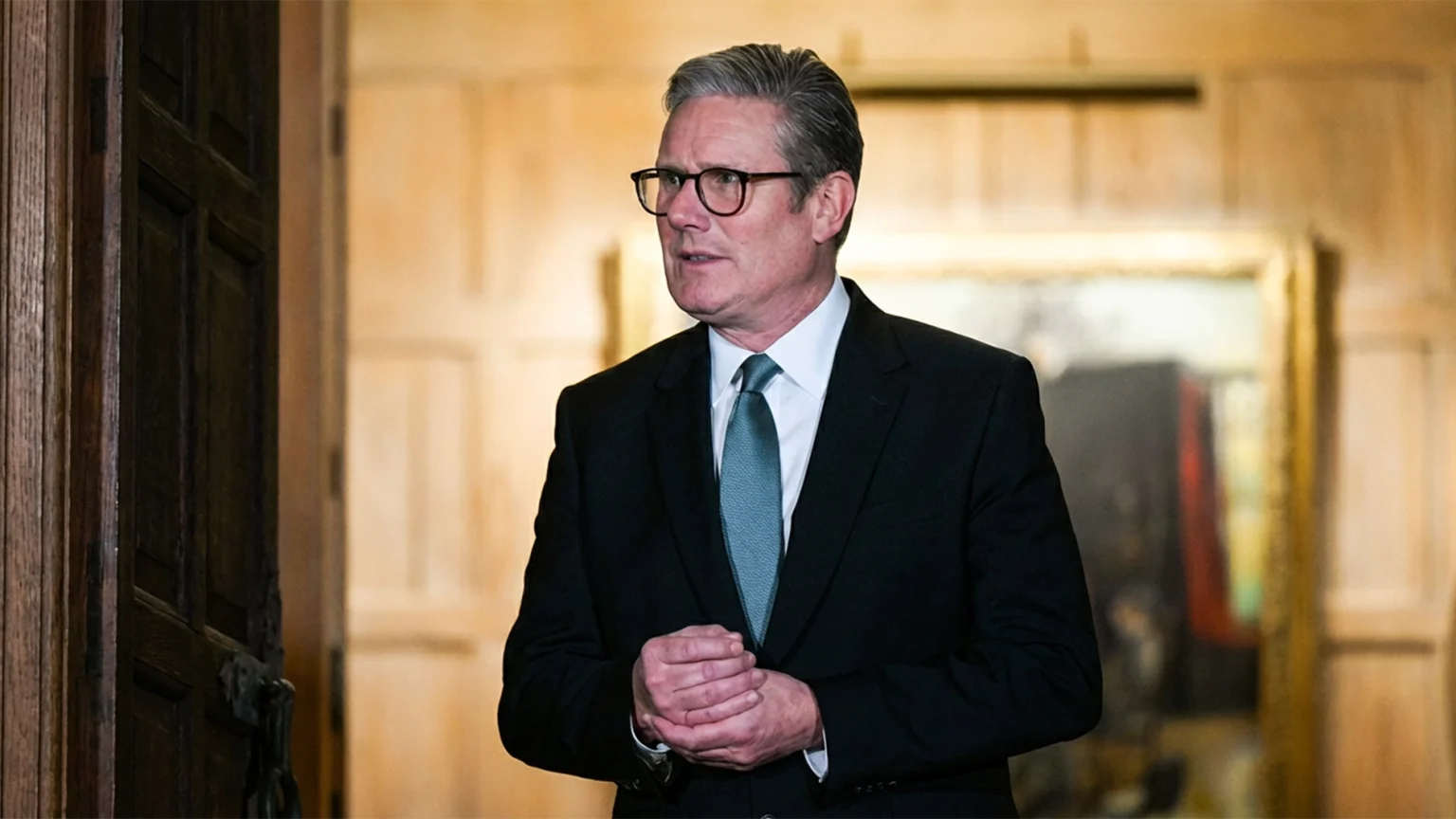
United Kingdom Prime Minister Keir Starmer has announced his resignation, bringing an abrupt end to a turbulent period in British politics less than two years after leading the Labour Party to a historic general election victory in 2024. His departure comes after weeks of mounting pressure from within his own party, declining public support and growing concerns among Labour lawmakers about the party’s prospects ahead of the next national election.
In an emotional statement delivered outside 10 Downing Street, Starmer acknowledged that many within the Labour Party no longer believed he was the right person to lead them into the future. He said he accepted their judgment and would work to ensure a smooth transition of power while remaining in office until a successor is formally chosen.
Starmer’s resignation follows a difficult period marked by poor local election performances, internal disagreements and several high profile controversies that weakened confidence in his leadership. Labour reportedly lost significant political ground in recent elections, prompting calls from influential party figures for a change at the top. ..READ THE FULL ARTICLE HERE .
One of the major factors behind the growing unrest was the emergence of Andy Burnham as a strong alternative leader. Burnham recently strengthened his political standing and quickly gained support from a substantial number of Labour MPs who believed he could reconnect the party with voters and restore its momentum. He has already confirmed his intention to contest the party leadership.
Despite the circumstances surrounding his departure, Starmer defended his record in office, pointing to efforts made to stabilise the economy, improve public services and strengthen Britain’s international relationships. However, critics argued that repeated policy reversals, communication challenges and an inability to deliver a clear long term vision ultimately undermined his administration.
His resignation also continues a remarkable period of political instability in Britain, making him one of several prime ministers to leave office within a relatively short span over the past decade. Opposition parties have already seized upon the moment to demand fresh national elections, although the United Kingdom is not constitutionally required to hold another general election until 2029.
The Labour Party is now expected to begin a leadership contest immediately, with a new leader likely to be in place before Parliament resumes in September. The outcome of that race will determine not only who becomes Britain’s next prime minister but also the future direction of the governing party at a critical moment for the country.