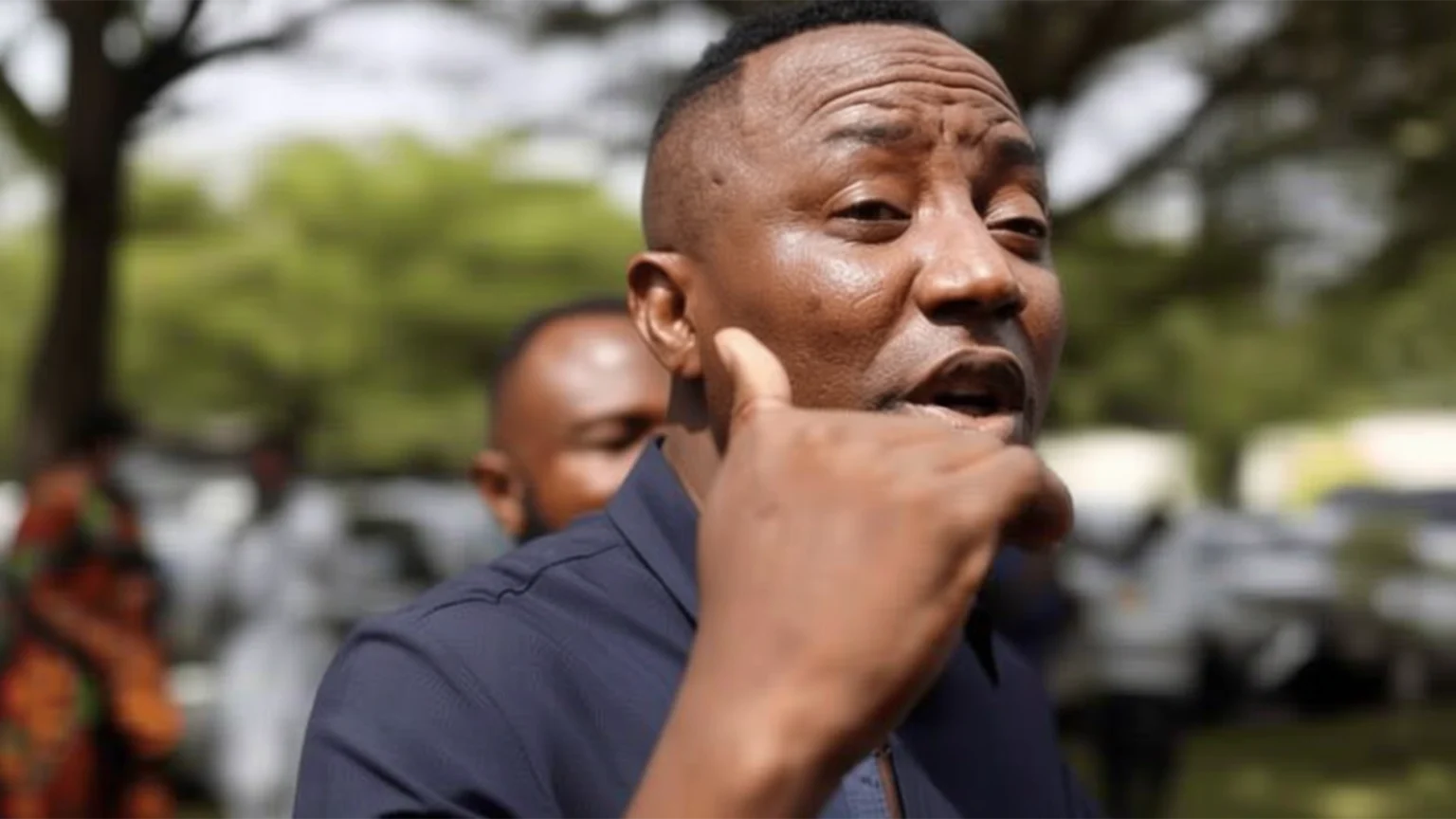
- Human rights activist and former presidential candidate Omoyele Sowore arrived at the Federal High Court in Abuja accompanied by a large group of supporters days after a judge issued a bench warrant for his arrest over his failure to appear at an earlier hearing.
The dramatic appearance intensified an already controversial legal battle that has drawn national attention and reignited conversations about free speech, judicial independence and the relationship between the government and political critics in Nigeria.
The court had previously revoked Sowore’s bail after he and his lawyer failed to attend scheduled proceedings. Justice Mohammed Umar ruled that the activist had not provided sufficient justification for his absence and consequently ordered his arrest while adjourning the matter to June 22 for the continuation of hearing.
Despite the warrant, Sowore arrived at court alongside loyal supporters in what many observers interpreted as a symbolic act of defiance and a demonstration of confidence in his position. Supporters gathered around him chanting solidarity messages and insisting that the legal proceedings against him were politically motivated. ..READ THE FULL ARTICLE HERE .
The case stems from a two count charge filed by the Department of State Services following an August 2025 social media post in which Sowore allegedly referred to President Bola Ahmed Tinubu as a criminal while reacting to comments made by the president during a trip to Brazil. Sowore has consistently denied wrongdoing and pleaded not guilty to all charges.
Over the course of the trial, tensions between Sowore and the court have become increasingly visible. After the court dismissed his no case submission earlier this year, the activist openly accused the judge of bias and alleged that elements within the government were attempting to secure a conviction that could affect his future political ambitions, particularly his potential participation in the 2027 presidential election.
Sowore had also requested that the case be reassigned to another judge, arguing that he no longer had confidence in the impartiality of the proceedings. However, the matter continued before the same court, eventually leading to the recent arrest warrant after his absence from a scheduled hearing.
The latest courtroom developments have once again placed Nigeria’s judicial system under public scrutiny, with supporters viewing the prosecution as an attempt to silence dissent, while government institutions insist that the matter is purely a legal process that must be allowed to run its course.
As the case moves forward, its outcome could have significant implications not only for Sowore’s political future but also for the broader debate surrounding freedom of expression, civic activism and democratic accountability in Nigeria.