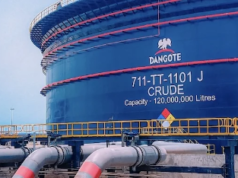
Africa’s industrial landscape could be set for another major shift as Aliko Dangote reveals plans for a much larger refinery project in Kenya.
Dangote disclosed that the planned refinery in Lamu, Kenya, will have a power-generation capacity of about 1,000 megawatts, twice the capacity supporting his refinery in Lagos.
The project is expected to generate enough electricity for the refinery while supplying about 500MW to the Kenyan government, potentially providing an additional source of power for the country...READ THE FULL ARTICLE HERE .
Dangote made the disclosure during Kenyan President William Ruto’s recent visit to the Dangote Petroleum Refinery in Lagos.
According to the billionaire businessman, some of the equipment planned for the Kenyan refinery will also be heavier than those installed at the Nigerian facility. The Lamu project will additionally feature a coker, a processing unit that is not currently installed at the Lagos refinery.
The proposed Kenyan refinery is expected to have a refining capacity of 700,000 barrels of crude oil per day, matching the stated current capacity of the Nigerian facility.
Ruto has confirmed that the groundbreaking ceremony for the Lamu refinery will take place on September 30, 2026.
The Kenyan government has reportedly secured the land required for the project and is working on other conditions needed to move construction forward.
The project is also expected to create opportunities across engineering, chemical engineering, mechanical engineering, business and other sectors as Kenya expands its industrial capacity.
Dangote’s latest announcement comes as his Nigerian refinery continues to expand its operations, highlighting the group’s growing ambitions across Africa’s energy and industrial sectors.
The Kenya project could therefore become another major component of Dangote’s expanding refining network, with potential implications for fuel supply, industrialisation and energy security across East Africa.