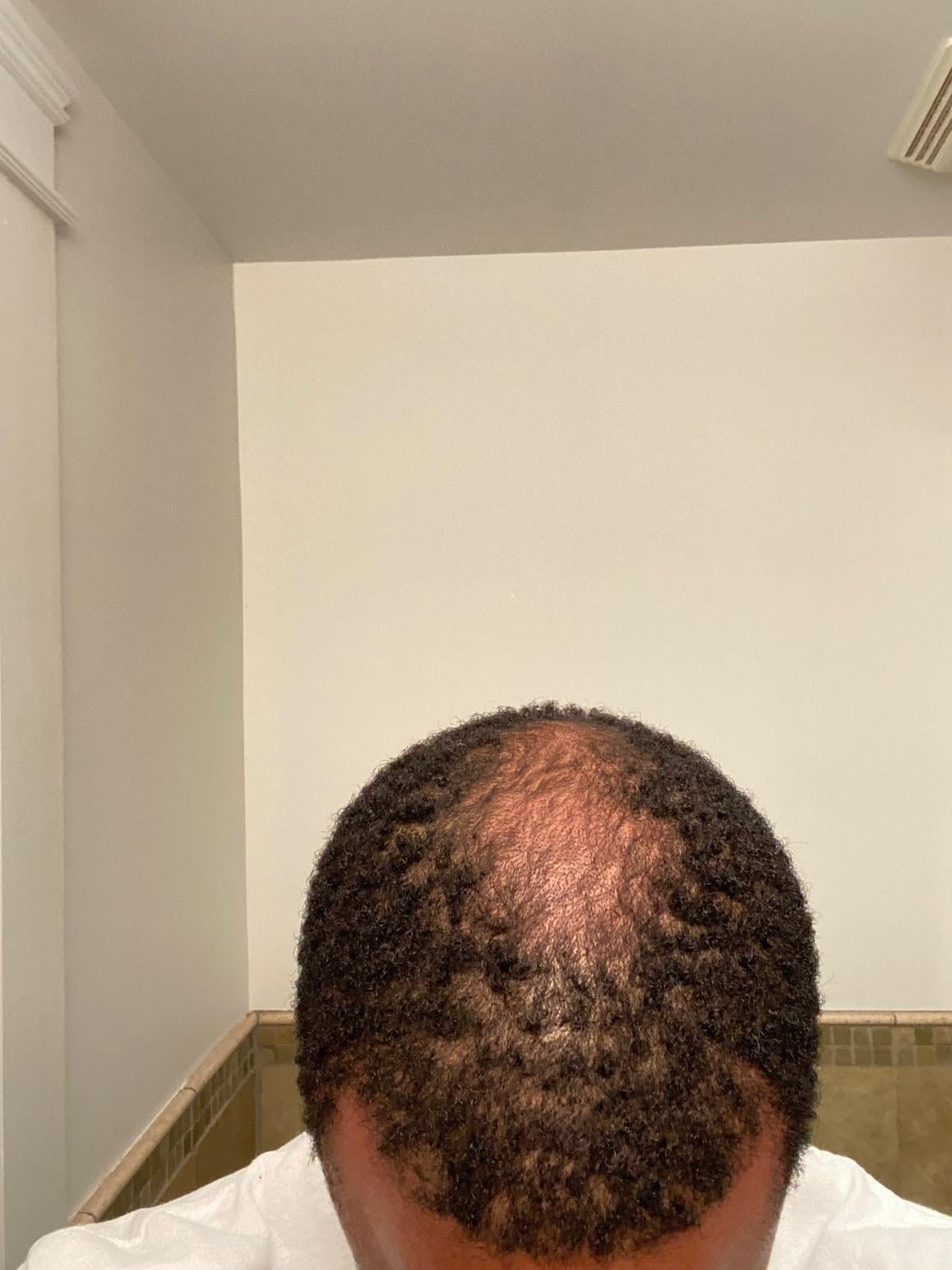
Hair loss is often blamed on stress, genetics, or aging, but health experts say a hidden cause many people ignore is vitamin deficiency. When the body lacks key nutrients, the hair growth cycle becomes disrupted, leading to excessive shedding, thinning strands, and in some cases visible bald patches. Understanding which vitamins are involved is essential for identifying the root cause and treating the problem effectively.
Vitamin D Deficiency and Hair Loss
Vitamin D plays a crucial role in stimulating hair follicles, which are responsible for producing new hair strands. When levels are low, follicles may become inactive, leading to slowed growth or increased shedding. This is especially common among people who spend little time in sunlight or have limited dietary intake of vitamin D rich foods such as fish and fortified dairy products...READ THE FULL ARTICLE HERE .
Iron Deficiency and Weak Hair Growth
Iron is essential for producing hemoglobin, which carries oxygen to cells in the body, including hair follicles. When iron levels drop, follicles receive less oxygen and nutrients, causing hair to weaken and fall out more easily. This type of deficiency is particularly common among women, especially those with heavy menstrual cycles or poor dietary iron intake.
Vitamin B12 Deficiency and Follicle Damage
Vitamin B12 supports red blood cell formation and plays a key role in maintaining healthy hair follicles. A deficiency can lead to reduced oxygen supply to the scalp, resulting in brittle hair and noticeable shedding. People who follow vegetarian or vegan diets are more at risk since B12 is mainly found in animal based foods.
Biotin (Vitamin B7) and Hair Strength
Biotin is widely known for its role in hair, skin, and nail health. It helps the body convert nutrients into energy and supports keratin production, the main structural protein in hair. Although true biotin deficiency is rare, low levels can still contribute to thinning hair and reduced hair growth over time.
Vitamin A Imbalance and Hair Shedding
Vitamin A is important for cell growth and the production of sebum, which keeps the scalp moisturized. However, balance is key. While a deficiency can affect hair health, excessive intake of vitamin A, often through supplements, can actually trigger hair loss and accelerate shedding.
Vitamin E and Scalp Circulation
Vitamin E acts as an antioxidant that helps improve blood circulation in the scalp and protects hair follicles from oxidative stress. Low levels may lead to weaker hair strands and slower regrowth after shedding.
Vitamin C and Collagen Support
Vitamin C supports collagen production, which is essential for strong hair structure. It also helps the body absorb iron more efficiently. A deficiency can indirectly contribute to hair thinning and breakage due to weaker follicle support.
Why Hair Loss from Vitamin Deficiency Happens Gradually
One of the most concerning aspects of nutrient related hair loss is that it develops slowly over time. Many people do not realize there is a problem until significant thinning has already occurred. This delay makes it important to pay attention to early warning signs such as increased shedding during washing or brushing.
Diagnosis and Proper Treatment Approach
Experts strongly recommend proper medical testing before starting any supplements. Blood tests can help identify specific deficiencies so treatment is targeted rather than guesswork. Taking supplements without confirmation can sometimes worsen imbalances or lead to side effects, especially with fat soluble vitamins like A and D.
Final Note on Prevention and Hair Health
Maintaining a balanced diet remains the most effective way to prevent vitamin related hair loss. Foods rich in vitamins, minerals, proteins, fruits, and vegetables support overall scalp health and long term hair growth. While supplements can help in confirmed deficiency cases, consistency in nutrition and healthy lifestyle habits remains the foundation of strong, healthy hair.