Acne is one of the most common skin conditions worldwide, affecting teenagers and adults alike. While it is often associated with puberty, it can persist well into adulthood due to factors such as hormones, stress, diet, and skincare habits. Understanding the different types of acne is the first step toward finding the right treatment and preventing long term skin damage.
What Exactly Is Acne
Acne occurs when hair follicles become clogged with oil, dead skin cells, and bacteria. This blockage leads to inflammation, which appears on the skin as pimples, blackheads, whiteheads, or deeper cystic lesions. It most commonly appears on the face, chest, shoulders, and back, where oil glands are most active...READ THE FULL ARTICLE HERE .
Non Inflammatory Acne Types
These are generally milder forms of acne that do not cause swelling or deep skin damage.
Whiteheads
Whiteheads form when pores are completely blocked, trapping oil and dead skin beneath the surface of the skin. They appear as small white or flesh coloured bumps and are often stubborn if not treated properly.
Blackheads
Blackheads occur when pores are partially blocked. The trapped material is exposed to air and oxidises, giving it a dark appearance. Despite popular belief, blackheads are not caused by dirt.
Inflammatory Acne Types
Inflammatory acne involves redness, swelling, and can be more painful than non inflammatory types.
Papules
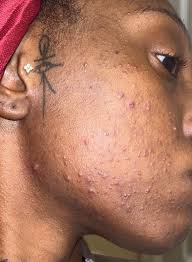
Papules are small, red, raised bumps that develop when clogged pores become inflamed. They do not contain pus but are often tender to touch.
Pustules
Pustules are similar to papules but contain pus, giving them a white or yellow centre. They are what most people commonly refer to as pimples.
Nodules
Nodules are large, painful lumps that form deep under the skin. They are more severe and can last for weeks or even months if untreated, often requiring medical treatment.
Cysts
Cystic acne is the most severe form and develops deep within the skin. These lesions are filled with pus and are often painful. Cysts have a high risk of causing scarring and typically require prescription medication or dermatological procedures.
Causes and Risk Factors
Several factors can trigger or worsen acne. Hormonal changes, especially during puberty, menstruation, pregnancy, or stress, play a major role. Excess oil production, buildup of dead skin cells, bacteria on the skin, and inflammation all contribute to breakouts. Certain lifestyle habits such as poor skincare routines, heavy cosmetic use, and high sugar diets may also worsen the condition.
Treatment and Management Options
Treatment depends on the severity and type of acne. Mild cases can often be managed with over the counter products containing ingredients such as benzoyl peroxide or salicylic acid. These help to reduce bacteria and unclog pores.
For moderate to severe acne, dermatologists may prescribe topical retinoids, antibiotics, hormonal treatments, or oral medications such as isotretinoin. In some cases, procedures like chemical peels or laser therapy may also be recommended.
Consistent skincare is also important, including gentle cleansing, avoiding pore clogging products, and resisting the urge to pick or squeeze pimples, which can worsen inflammation and lead to scarring.
Conclusion
Acne is a complex skin condition with multiple forms and triggers, but it is highly manageable with the right approach. Understanding the type of acne you are dealing with is key to choosing the right treatment and achieving clearer, healthier skin over time.