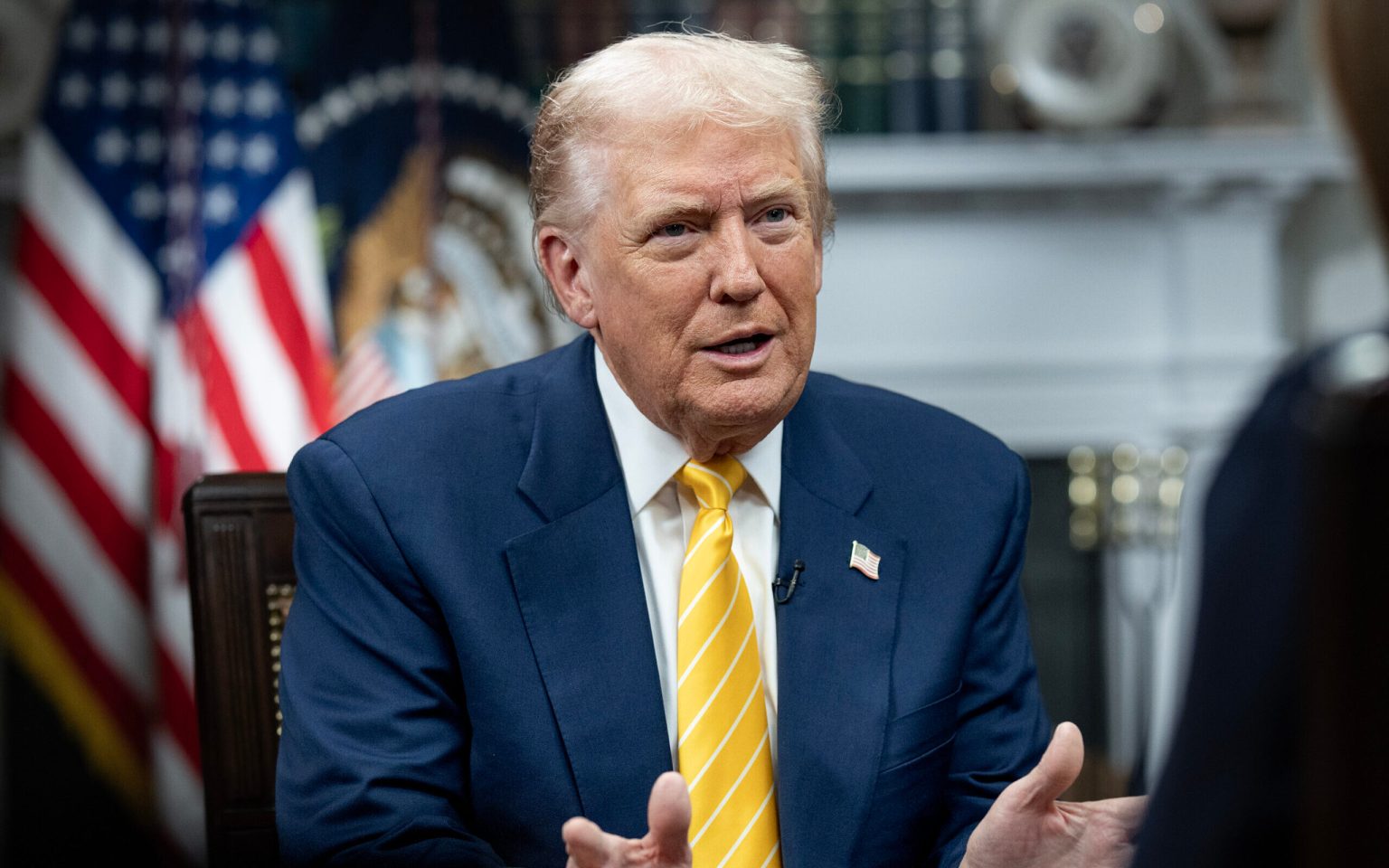
US President Donald Trump has declined to intervene in the case of Lindsay Clancy, a Massachusetts mother accused of killing her three young children in a case that has attracted widespread attention because of the circumstances surrounding the deaths and questions about her mental state.
Clancy, 36, is facing three counts of first degree murder over the January 2023 deaths of her children, Cora, five, Dawson, three, and Callan, who was only eight months old at the time.
The case recently took another dramatic turn after Clancy’s first trial ended in a mistrial when jurors were unable to reach a unanimous decision following several days of deliberations...READ THE FULL ARTICLE HERE .
Her attorney, Kevin Reddington, had publicly appealed to Trump to consider granting his client a pardon. However, Trump said he would not intervene, pointing out that the case is being handled under state jurisdiction rather than federal law.
Trump described the situation as extremely tragic, noting that three children had died and that there was no real winner regardless of how the case ultimately concludes. He also acknowledged Reddington’s reputation as a capable attorney and expressed hope that the matter would eventually be resolved.
Clancy’s defence has maintained that she was suffering from postpartum psychosis, a serious psychiatric condition that can occur after childbirth and may cause a person to lose touch with reality. Her lawyers have argued that her mental condition played a significant role in the events that led to the deaths of her children.
Following the deaths, Clancy also attempted suicide and suffered severe injuries that left her paralysed.
The murder trial ended without a verdict after the jury became deadlocked. Reports indicate that the jurors were divided, with 11 reportedly favouring an acquittal on the grounds that Clancy was not criminally responsible because of her mental condition.
With the mistrial, the legal battle is not necessarily over. Prosecutors could still decide to pursue another trial, leaving Clancy’s case unresolved while the court determines the next step.
Trump’s decision also highlights the limits of presidential pardon powers in the United States. Because Clancy’s case involves alleged violations of Massachusetts state law rather than federal offences, the president does not have the normal constitutional authority to pardon her.
The case continues to generate debate over mental illness, criminal responsibility and the extent to which severe postpartum psychiatric conditions should be considered when determining legal culpability. It has also drawn attention to the importance of recognising serious mental health problems following childbirth and ensuring that people experiencing psychiatric emergencies receive appropriate professional help.
For now, Clancy’s fate remains in the hands of the Massachusetts legal system as authorities consider how to proceed after the failed first trial.