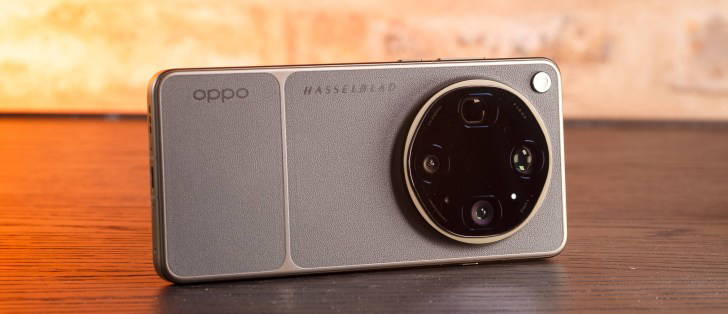
Smartphone photography has reached a new level in 2026, with manufacturers increasingly competing to deliver camera systems capable of producing sharp, detailed and professional looking images without requiring users to carry a dedicated digital camera.
While Apple’s iPhones remain popular for photography and video recording, several Android smartphones now offer highly advanced camera hardware, powerful image processing and impressive zoom capabilities. A recent Vanguard report has highlighted 10 smartphones that stand out for their camera quality in 2026, excluding iPhone models.
Leading the list is the OPPO Find X9 Ultra, which has emerged as one of the major contenders in the premium smartphone photography market. The device is followed by the Samsung Galaxy S26 Ultra, a flagship widely recognised for its versatile camera setup and powerful zoom capabilities...READ THE FULL ARTICLE HERE .
The Xiaomi 17 Ultra is also among the smartphones attracting attention for photography enthusiasts, while vivo continues to strengthen its position in the premium camera phone market with advanced imaging technology.
Other smartphones featured in the list demonstrate how competition among Android manufacturers has expanded beyond traditional specifications such as processor speed, storage capacity and display quality. Camera performance has increasingly become one of the most important factors consumers consider when purchasing a premium smartphone.
Modern flagship smartphones combine high resolution sensors with optical image stabilisation, telephoto lenses, ultra wide cameras and sophisticated computational photography. These technologies allow users to capture clearer images in different conditions, including low light, portrait photography, distant subjects and fast moving scenes.
The importance of software has also increased significantly. A smartphone camera is no longer judged simply by the number of megapixels it offers. Image processing, artificial intelligence, autofocus, dynamic range, colour accuracy and the ability to combine information from multiple lenses can have a major impact on the final photograph.
The Samsung Galaxy S26 Ultra, for instance, has been identified by current smartphone testing as a leading Android camera phone, with its 200 megapixel main camera, advanced AI features and strong video stabilisation contributing to its reputation among photography focused users.
The growing competition is particularly significant for content creators, influencers, journalists, business owners and everyday smartphone users who rely on their phones to produce photographs and videos for social media and other digital platforms.
For many consumers, having a powerful camera phone can reduce the need to purchase a separate entry level camera. Modern smartphones can provide features such as optical zoom, portrait effects, night photography, high resolution video and AI assisted editing in a device that can easily fit into a pocket.
However, consumers should not choose a smartphone solely because it has the highest megapixel count. A good camera system depends on several factors, including sensor size, lens quality, stabilisation, image processing, telephoto performance and video capabilities.
The 2026 smartphone camera race therefore shows that consumers looking beyond the iPhone have a growing number of premium alternatives. Samsung, OPPO, Xiaomi and vivo are among the manufacturers pushing smartphone photography forward, giving Android users more options when camera quality is a priority.
For anyone looking to buy a new smartphone primarily for photography, these devices are worth considering alongside other flagship models. The best choice ultimately depends on whether the buyer values zoom photography, portraits, low light performance, video recording, artificial intelligence features or overall camera versatility.
With smartphone manufacturers continuing to invest heavily in mobile imaging technology, the gap between conventional smartphone cameras and dedicated photography equipment is becoming increasingly difficult to ignore. The competition is also good news for consumers, as companies are being forced to innovate and deliver better photography experiences with every new generation.