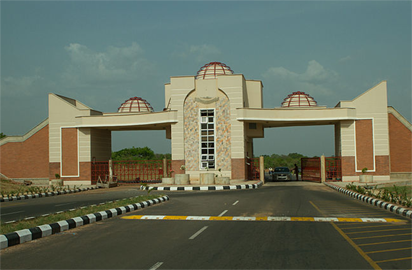
Thousands of students of Kwara State University (KWASU), Malete, have received a significant financial boost following the disbursement of over ₦2.14 billion by the Nigerian Education Loan Fund (NELFund), a development expected to ease the burden of tuition payments and improve access to higher education for many beneficiaries.
The university management confirmed that a total sum of ₦2,135,857,150 was paid to support 11,434 students who successfully applied for the Federal Government’s student loan programme. The intervention forms part of the ongoing efforts by the administration to ensure that financial challenges do not prevent qualified Nigerians from obtaining tertiary education.
Speaking on the development, the Vice Chancellor of KWASU, Professor Jimoh Shaykh-Luqman, described the disbursement as a landmark achievement that would have a positive impact on the academic lives of thousands of students. According to him, the institution officially acknowledged receipt of the funds after the payment was credited, confirming that the money was meant for approved beneficiaries under the NELFund scheme...READ THE FULL ARTICLE HERE .
He noted that many students across the country face severe financial difficulties that often hinder their educational pursuits, with some struggling to pay tuition fees and other academic expenses. The student loan initiative, he said, has provided a practical solution by ensuring that eligible students can continue their studies without the constant fear of being forced out of school due to financial constraints.
The vice chancellor further explained that the loan programme reflects the Federal Government’s commitment to expanding access to quality education and creating equal opportunities for students regardless of their economic background. He added that the intervention would not only help students remain focused on their academic goals but also contribute to improving overall educational outcomes within the institution.
Professor Shaykh-Luqman praised NELFund for the smooth processing and timely release of the funds, stressing that the scheme has already begun transforming the lives of many students who previously struggled to meet their financial obligations. He expressed optimism that continued support through the programme would encourage more young Nigerians to pursue higher education and achieve their career aspirations.
The KWASU management also reiterated its commitment to transparency and accountability in handling all matters relating to the loan beneficiaries. Students who have benefited from the scheme were encouraged to remain dedicated to their studies and make the most of the opportunity provided through the government-backed initiative.
The NELFund programme was established as part of broader reforms aimed at making tertiary education more accessible and affordable across Nigeria. Since its launch, the scheme has attracted applications from students in universities, polytechnics, colleges of education and other tertiary institutions nationwide. The programme covers tuition and, in some cases, provides additional support to help students cope with educational expenses.
Education stakeholders have continued to applaud the initiative, describing it as one of the most ambitious attempts to tackle financial barriers in Nigeria’s education sector. Analysts believe that sustained implementation of the scheme could lead to higher enrolment rates, reduced dropout figures and improved academic performance among students who would otherwise struggle to finance their education.
For the 11,434 KWASU students who have benefited from the latest disbursement, the ₦2.14 billion intervention represents more than just financial assistance. It offers renewed hope, academic stability and an opportunity to pursue their educational ambitions without the weight of tuition concerns hanging over their future. As the programme continues to expand across the country, many observers see it as a crucial step toward building a more inclusive and accessible higher education system in Nigeria.