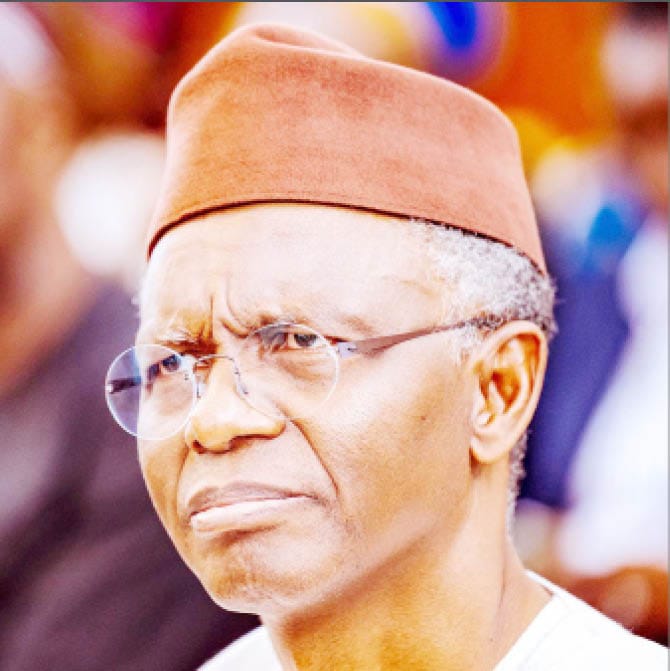
Fresh controversy has emerged over the condition of former Kaduna State Governor, Nasir El-Rufai, in the custody of the Independent Corrupt Practices and Other Related Offences Commission, ICPC, following allegations that he has been denied access to proper medical attention despite an existing court order granting him such rights.
The allegation was made by an aide to the former governor, who claimed that ICPC officials have repeatedly refused to allow El-Rufai access to his doctors, even as concerns reportedly grow over his deteriorating health condition. According to the aide, the former governor has been experiencing complications, including a worsening eye condition that requires urgent medical evaluation and specialist attention.
The development has intensified public debate over the treatment of high profile detainees and whether relevant authorities are complying fully with judicial directives concerning access to medical care and legal representation. The aide insisted that repeated requests for medical access had not been granted, raising fears about the former governor’s wellbeing while in custody...READ THE FULL ARTICLE HERE .
El-Rufai has been in ICPC custody since February over allegations relating to financial impropriety during his tenure as governor of Kaduna State. He has consistently denied wrongdoing, while the ICPC has continued its investigation into the matter.
However, the anti graft agency has repeatedly pushed back against similar allegations in the past, insisting that it operates within established legal procedures. The ICPC maintains that detainees are allowed access to family members, legal representatives and medical personnel under supervised conditions and within approved visiting hours, in line with internal protocols and court directives.
In earlier clarifications, the commission stated that claims of denial of food, family visits and medical access were misleading, explaining that access is regulated to ensure security and proper coordination within detention facilities. It also argued that any delays or restrictions were procedural rather than punitive.
Despite these explanations, concerns from El-Rufai’s camp continue to surface, with his family and aides insisting that his health situation requires more immediate and less restrictive medical intervention. They argue that adherence to court orders should guarantee unhindered access to doctors of his choice without bureaucratic delays.
The latest allegation has further fuelled political and public discourse, with supporters of the former governor calling for transparency and humane treatment, while others maintain that the ICPC should be allowed to carry out its investigations without interference or undue pressure.
As the situation continues to unfold, there has been no fresh official response from the ICPC regarding the specific claim of denied medical access raised by the aide. Observers say the development may further intensify scrutiny of the conditions under which the former governor is being held, especially as legal and health considerations intersect in the ongoing case.
For now, El-Rufai remains in custody while investigations continue, with attention now shifting to whether authorities will address the latest concerns raised by his camp or provide further clarification on his access to medical care.