The political atmosphere ahead of the 2027 general elections is becoming increasingly charged as former Vice President Atiku Abubakar and other presidential aspirants under the African Democratic Congress, ADC, continue to shape discussions around who will emerge as the party’s flag bearer in what is expected to be a fiercely contested race against the ruling All Progressives Congress.
Atiku, who remains one of the most prominent figures in the emerging opposition coalition, has consistently maintained that the ADC presidential ticket will not be determined through imposition or withdrawal pressure, insisting that all aspirants will be given a fair chance to contest. His camp has repeatedly stated that the party is committed to an open and competitive process where delegates will ultimately decide who represents the coalition in 2027.
The ADC, which has gradually become a major platform for opposition realignment, is currently attracting several high profile politicians including former governors, ex ministers, and former presidential candidates who see it as a viable structure to challenge President Bola Tinubu’s administration. However, internal competition has already begun to generate tension as multiple aspirants signal strong interest in the presidency...READ THE FULL ARTICLE HERE .
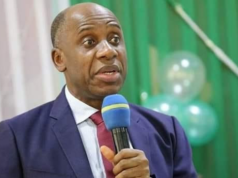
Among those linked to the party’s presidential ambitions are Atiku Abubakar, Labour Party’s 2023 candidate Peter Obi, and former Minister of Transportation Rotimi Amaechi, all of whom are believed to command significant regional and political influence. Reports indicate that these figures are positioning themselves early in anticipation of the party’s primaries, which are expected to be one of the most competitive in Nigeria’s recent political history.
Despite growing speculation about possible consensus arrangements or pressure for candidates to step down in favour of stronger contenders, Atiku’s allies have firmly dismissed such suggestions. They insist that any attempt to narrow the field prematurely would undermine the democratic structure of the coalition and could weaken its chances of presenting a united front in the general elections.
Within the party, there have also been ongoing debates about zoning and regional balance, with some stakeholders pushing for the presidential ticket to be rotated to the South. Others argue that competence and electoral strength should determine the eventual candidate rather than strict regional considerations. This internal disagreement has further added to the complexity of negotiations within the opposition bloc.
Political observers note that while the ADC coalition presents one of the strongest challenges to the ruling party, its biggest hurdle remains internal unity. The presence of multiple heavyweight aspirants with strong political bases makes consensus difficult, and analysts warn that unresolved rivalries could affect the party’s chances if not carefully managed.
Despite these tensions, supporters of the coalition remain optimistic, arguing that the diversity of aspirants reflects democratic strength rather than weakness. They believe that once primaries are concluded, the party will be able to rally behind a single candidate capable of mounting a serious challenge in 2027.
As the political season gradually builds momentum, attention is expected to intensify around the ADC’s internal processes, particularly how it manages competing ambitions among its top contenders and whether it can successfully maintain cohesion in the face of growing pressure from within and outside the coalition.