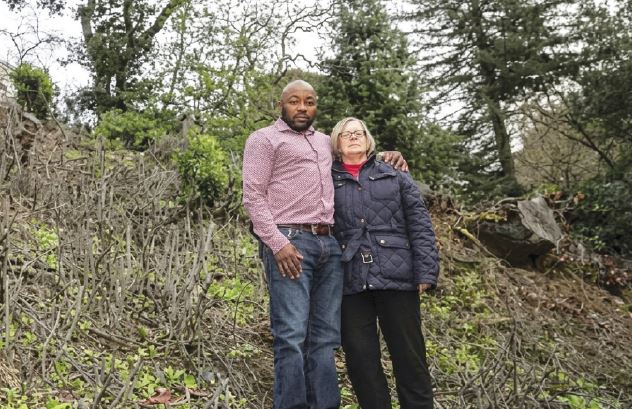
Nigerian Man Ordered to Pay $1 Million Fine for Illegal Tree Felling in Landmark Environmental Case
A Nigerian man has been ordered to pay a staggering $1 million fine for illegally cutting down protected trees in what is being described as one of the strongest environmental enforcement actions involving deforestation and ecological destruction in recent times.
The case, which has generated widespread reactions among environmentalists, legal experts, and conservation advocates, highlights the growing global push to hold individuals and organisations accountable for activities contributing to environmental degradation, climate change, and the destruction of natural ecosystems. ..READ THE FULL ARTICLE HERE .
According to reports, authorities found the individual guilty of unlawfully cutting down trees in violation of environmental protection regulations designed to preserve forest reserves and protect biodiversity. The ruling reportedly followed investigations that revealed extensive damage caused to the affected area, with officials insisting that the illegal logging activity posed serious ecological risks capable of affecting wildlife, soil stability, water conservation, and local climate conditions.
Environmental experts have described the judgment as a major warning to individuals and businesses involved in illegal deforestation activities, especially at a time when governments and environmental agencies around the world are intensifying efforts to combat climate change and environmental abuse. Conservation groups say tree felling remains one of the major drivers of desertification, flooding, rising temperatures, and biodiversity loss across several African countries, including Nigeria.
Nigeria has continued to face mounting environmental challenges linked to deforestation over the years. Reports from international environmental organisations have consistently ranked the country among nations experiencing rapid forest depletion due to illegal logging, urban expansion, agricultural activities, and commercial exploitation of natural resources. Environmental analysts warn that continued destruction of forests could worsen food insecurity, reduce rainfall patterns, and increase the impact of extreme weather conditions.
The development has also reignited conversations about the weak enforcement of environmental laws in many parts of Africa. Many activists argue that although regulations exist to protect forests and natural resources, prosecutions and heavy penalties have often been rare, allowing illegal activities to continue unchecked. They believe the latest ruling could set an important legal precedent capable of discouraging future environmental violations if properly enforced.
Environmental protection advocates have further stressed that trees play a critical role in human survival beyond simply beautifying the environment. Trees help absorb carbon dioxide from the atmosphere, reduce air pollution, prevent soil erosion, support wildlife habitats, regulate temperature, and contribute significantly to public health and agricultural sustainability. Experts warn that indiscriminate tree cutting without reforestation plans could have devastating long-term consequences for communities already struggling with the effects of climate change.
The case has also sparked broader discussions on the economic value of forests and environmental accountability. Legal commentators note that imposing such a significant financial penalty reflects the increasing recognition of environmental destruction as not just a local issue but a global concern with economic, health, and social consequences. Some observers believe similar strict measures may soon become more common as governments attempt to meet international climate targets and environmental sustainability goals.
As reactions continue to pour in, many Nigerians on social media have expressed mixed feelings over the massive fine. While some praised authorities for taking a strong stand against environmental abuse, others questioned whether similar penalties would be consistently applied in larger cases involving corporate entities and industrial environmental violations. Nonetheless, the ruling has succeeded in drawing fresh attention to the urgent need for stronger environmental protection, sustainable forestry practices, and greater public awareness about the importance of preserving natural ecosystems for future generations.