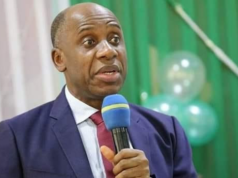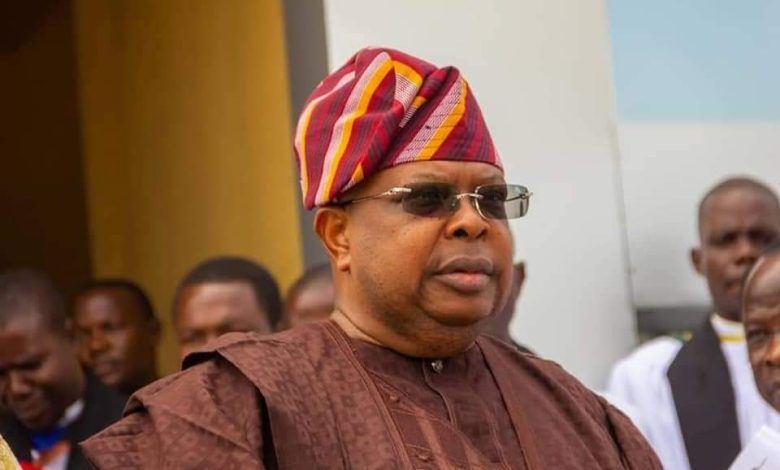
President Bola Ahmed Tinubu has nominated Joseph Olasunkanmi Tegbe as Nigeria’s new Minister of Power, marking a significant shift in the country’s energy leadership at a time when the electricity sector remains one of the most critical challenges facing the nation.
The nomination, which has been forwarded to the Senate for confirmation, follows the recent resignation of former Power Minister Adebayo Adelabu, who stepped down to pursue political ambitions ahead of the 2027 elections. This transition comes at a delicate period for Nigeria’s power sector, where persistent issues such as inadequate generation, transmission bottlenecks, and distribution inefficiencies continue to impact economic productivity and everyday life.
Tegbe, a former executive with global consulting firm KPMG, is widely regarded as a technocrat with experience spanning finance, infrastructure, and energy-related advisory roles. His nomination appears to align with growing calls from stakeholders for the appointment of a technically grounded professional capable of driving meaningful reforms in the power sector, rather than a purely political figure...READ THE FULL ARTICLE HERE .
The Presidency indicated that the nomination is part of broader efforts to reposition key sectors of the economy, particularly electricity, which remains central to industrial growth, investment attraction, and national development. Analysts note that stable and reliable power supply is a cornerstone of economic expansion, and any leadership change in the sector carries far-reaching implications for both businesses and households.
Nigeria’s power sector has long struggled with systemic challenges, including low generation capacity relative to demand, aging infrastructure, and financial constraints within the electricity value chain. Despite reforms and privatization efforts over the years, progress has been uneven, leaving millions of Nigerians reliant on alternative energy sources such as generators.
Economic observers suggest that Tegbe’s background in corporate strategy and large-scale project management could prove valuable in addressing these issues, particularly in improving efficiency, attracting investment, and strengthening regulatory coordination. However, they also caution that the scale of the challenges in the sector will require not only technical expertise but also strong political will and effective collaboration across government agencies and private stakeholders.
The nomination also comes amid a series of broader cabinet adjustments by the Tinubu administration, signaling an ongoing effort to recalibrate governance structures as the government approaches the midpoint of its tenure. Such changes are often interpreted as attempts to inject fresh momentum into key sectors while aligning leadership with evolving policy priorities.
As the Senate prepares to consider the nomination, attention will be focused on Tegbe’s plans for tackling Nigeria’s persistent electricity crisis and whether his appointment will mark a turning point in the long-standing struggle to achieve stable and affordable power supply.
For many Nigerians, the development represents yet another moment of cautious optimism, with hopes that renewed leadership in the power ministry could finally translate into tangible improvements in a sector that remains fundamental to the country’s economic future.