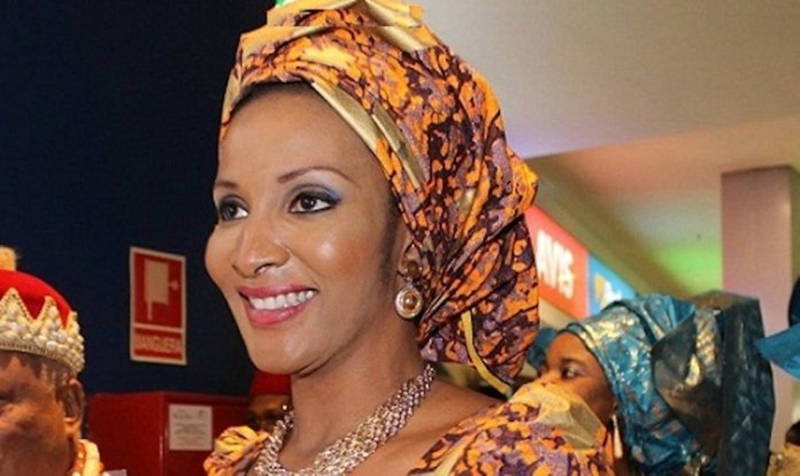
President Bola Ahmed Tinubu has appointed Bianca Odumegwu-Ojukwu as Nigeria’s new Minister of Foreign Affairs in a significant cabinet reshuffle that signals a shift in the country’s diplomatic leadership at a critical time.
The appointment follows the resignation of former minister Yusuf Tuggar, who stepped down from the role to pursue political ambitions ahead of the 2027 general elections. The development was confirmed in an official statement issued by the presidency, highlighting the administration’s intention to reposition Nigeria’s foreign policy direction and strengthen its global engagement strategy.
Bianca Odumegwu-Ojukwu’s elevation to the top diplomatic office marks a transition from her previous role as Minister of State for Foreign Affairs, a position she held where she was actively involved in Nigeria’s international relations, diaspora affairs, and regional diplomacy. Her promotion is widely seen as a move aimed at ensuring continuity while also bringing experienced leadership to the ministry at a time when global political and economic dynamics are rapidly evolving. ..READ THE FULL ARTICLE HERE .
A seasoned diplomat and legal professional, Ojukwu brings years of experience in international relations to her new position. Over the years, she has represented Nigeria in several diplomatic capacities and has been involved in high level engagements across different regions of the world. Her appointment places her among a select group of women who have held one of the country’s most strategic ministerial positions, further reinforcing the growing role of women in Nigeria’s governance and foreign policy space.
Alongside her appointment, President Tinubu also nominated Sola Enikanolaiye as Minister of State for Foreign Affairs, subject to confirmation by the National Assembly. Enikanolaiye, a career diplomat with over three decades of service, is expected to support the ministry’s operations and contribute to advancing Nigeria’s diplomatic objectives on the global stage.
The latest development comes as Nigeria seeks to strengthen its position in international affairs, attract foreign investment, and reinforce strategic partnerships across Africa and beyond. Analysts believe that Ojukwu’s experience and familiarity with the workings of the ministry could provide stability and direction as the government navigates complex global challenges, including economic diplomacy, regional security concerns, and the welfare of Nigerians living abroad.
Political observers have also noted that the timing of the appointment is significant, as the country gradually moves toward another election cycle. With Tuggar’s resignation linked to his political ambitions, the reshuffle reflects both immediate governance needs and the broader political calculations shaping the administration’s decisions.
As she assumes office, expectations are high that Bianca Odumegwu-Ojukwu will bring a renewed focus to Nigeria’s foreign policy, strengthen bilateral and multilateral relationships, and project the country’s interests more effectively on the global stage. For many, her appointment represents not just a leadership change but a strategic moment in redefining Nigeria’s voice in international affairs.