Nigeria’s political and economic landscape is witnessing a significant moment of transition as sweeping developments in both governance and party politics signal a potentially defining phase ahead of the 2027 general elections.
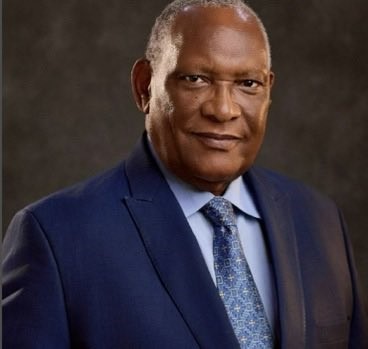
President Bola Ahmed Tinubu has approved the removal of the Chief Executive of the Nigerian Midstream and Downstream Petroleum Regulatory Authority, Saidu Mohammed, in what the Presidency described as a decision taken in the public interest. In his place, Rabiu Abdullahi Umar has been nominated as the new head of the agency, subject to confirmation by the Senate.
The announcement, conveyed through a State House statement, underscores the administration’s intent to strengthen regulatory efficiency within Nigeria’s petroleum sector, a critical pillar of the country’s economy. The decision is anchored in provisions of the Petroleum Industry Act 2021 and aligns with broader reform efforts aimed at improving energy security, addressing inefficiencies, and stabilizing the downstream and midstream segments of the oil industry. ..READ THE FULL ARTICLE HERE .
Rabiu Umar, described as a seasoned professional with over two decades of experience across energy, manufacturing, and infrastructure, is expected to bring technical expertise and leadership to a sector that continues to grapple with issues ranging from fuel pricing volatility to regulatory bottlenecks. His nomination is seen by analysts as part of a broader strategy by the Tinubu administration to reposition key institutions for improved performance and economic impact.
While the executive arm moves to recalibrate economic governance, the political sphere is simultaneously heading toward a high-stakes judicial moment. The Supreme Court is set to deliver a landmark ruling that will determine the fate of two major opposition parties, the Peoples Democratic Party and the African Democratic Congress, amid ongoing internal crises that have threatened their cohesion and electoral viability.
The legal battles, which have escalated through lower courts, stem from leadership disputes and contested conventions within both parties. For the PDP, the controversy centers on the legitimacy of its internal processes and compliance with judicial directives, while the ADC faces challenges linked to leadership recognition and internal control. The Supreme Court’s decision is expected to clarify these disputes and could significantly influence the structure of opposition politics ahead of 2027.
Political analysts note that the timing of these parallel developments is critical. On one hand, the executive’s intervention in the oil sector signals an effort to stabilize and strengthen Nigeria’s economic backbone. On the other, the judiciary’s impending ruling could reshape the opposition landscape, potentially determining which parties remain viable contenders in the next electoral cycle.
The intersection of these events highlights the complex interplay between governance, economic reform, and political competition in Nigeria. Leadership changes in strategic sectors like petroleum have direct implications for fiscal stability and investor confidence, while clarity in party structures is essential for maintaining democratic competitiveness and electoral integrity.
As the country moves closer to 2027, these developments collectively point to a period of recalibration, where both institutional effectiveness and political alignment are being tested. For many observers, the coming days will not only determine immediate outcomes but also set the tone for Nigeria’s broader trajectory in governance, economic management, and democratic evolution.