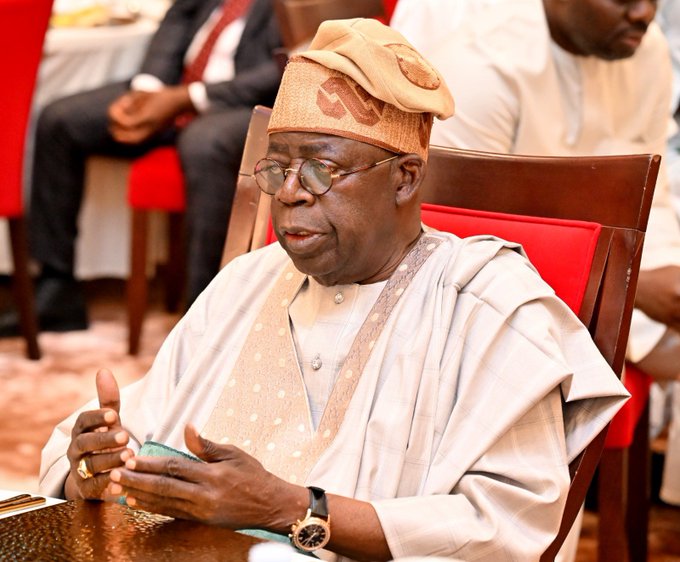
President Bola Ahmed Tinubu has approved the immediate release of N10 billion in emergency funding to strengthen Nigeria’s preparedness against a potential Ebola outbreak, following renewed concerns over the spread of the deadly virus in parts of Africa. The move underscores the Federal Government’s determination to prevent a recurrence of the devastating public health crisis that once threatened the country and to ensure that health authorities are fully equipped to respond swiftly to any suspected cases.
The approval came amid growing concerns over the resurgence of the Bundibugyo strain of the Ebola virus in some African countries, prompting health authorities across the continent to intensify surveillance and response measures. Nigeria, which successfully contained an Ebola outbreak in 2014 through rapid intervention and coordinated public health efforts, is now taking proactive steps to prevent the disease from entering the country.
As part of the emergency response initiative, President Tinubu also approved the establishment of a Presidential Task Force on Ebola Virus Disease Preparedness and Emerging Public Health Threats. The task force is expected to coordinate national efforts, strengthen disease surveillance, improve emergency response mechanisms, and ensure collaboration among relevant ministries, agencies, and state governments. Officials say the body will play a critical role in monitoring developments across the continent and ensuring that Nigeria remains prepared for any eventuality. ..READ THE FULL ARTICLE HERE .
According to the Presidency, the N10 billion intervention fund will be used to enhance the operational capacity of the Nigeria Centre for Disease Control and Prevention and support critical emergency response activities nationwide. The funding is expected to improve disease surveillance systems, expand laboratory testing capabilities, strengthen border screening operations, procure essential medical supplies, and provide training for healthcare workers who may be involved in identifying and managing suspected Ebola cases.
Health experts have repeatedly warned that Nigeria remains vulnerable to imported cases because of its large population, extensive international travel links, and busy land borders. These concerns have intensified following reports of Ebola outbreaks in parts of East and Central Africa, leading authorities to place the country on heightened alert. In response, the Federal Ministry of Health and Social Welfare has already activated several precautionary measures, including increased screening at airports and border crossings, enhanced disease surveillance, and closer coordination with state health authorities.
The Federal Government has also identified several states and the Federal Capital Territory as being at varying levels of risk for possible Ebola importation. The assessment was based on travel patterns, population movement, and proximity to international entry points. As a result, authorities have directed health institutions across the country to maintain a high level of vigilance, strengthen infection prevention protocols, and ensure rapid reporting of any suspected cases.
Public health officials have reassured Nigerians that there is currently no confirmed Ebola case in the country. However, they stress that preparedness remains essential because Ebola is a highly infectious disease with a high fatality rate if not detected and contained early. Authorities have urged citizens to remain calm while adhering to public health advisories and avoiding the spread of misinformation capable of causing unnecessary panic.
The latest intervention by the Federal Government comes at a time when African countries are mobilising significant resources to combat the outbreak and prevent further transmission. International health organisations, development partners, and regional institutions have pledged hundreds of millions of dollars to support response efforts in affected and high-risk countries. Nigeria’s decision to release emergency funding is therefore seen as part of a broader continental effort aimed at strengthening health security and preventing the spread of the virus across borders.
Analysts say the government’s swift action reflects lessons learned from previous outbreaks and demonstrates the importance of investing in public health infrastructure before a crisis emerges. Many health experts have welcomed the move, arguing that early preparedness is often the difference between successful containment and a widespread outbreak. They note that strengthening surveillance systems, laboratories, emergency operations centres, and healthcare facilities now could save countless lives in the future.
With the release of the N10 billion emergency fund and the creation of a presidential task force, Nigeria has signalled its readiness to confront any potential Ebola threat. While health authorities continue to monitor developments across Africa, the government hopes that these preventive measures will help protect citizens, preserve public confidence, and ensure that the country remains prepared against one of the world’s most dangerous infectious diseases.