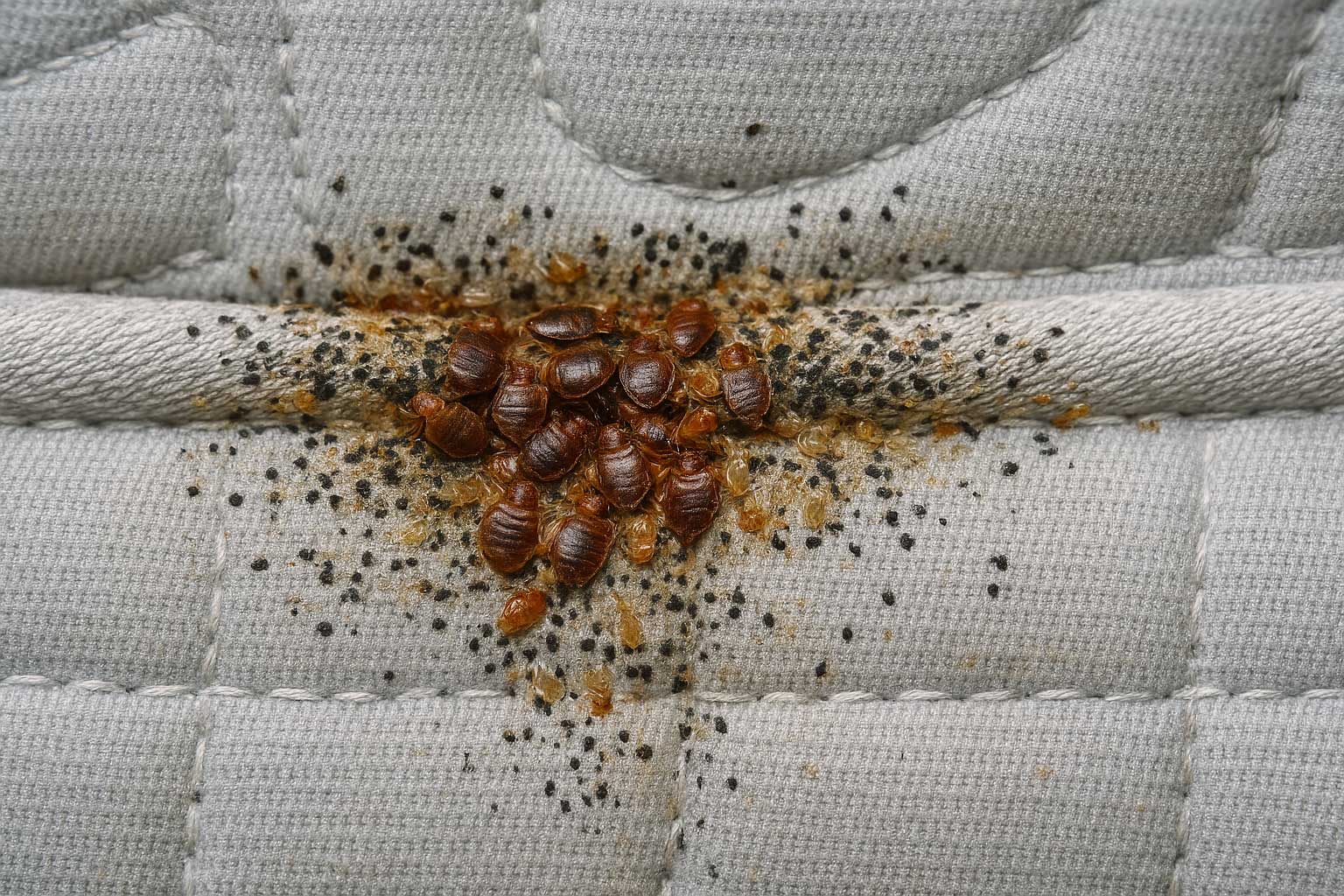
A relaxing holiday or business trip can quickly become a nightmare if bedbugs make their way back home with you. These tiny pests can hide in luggage, clothes and personal belongings, making them difficult to notice until an infestation has already started.
The good news is that a few simple precautions while travelling and immediately after returning home can significantly reduce the chances of accidentally bringing bedbugs into your living space.
1. Inspect Your Hotel Room Before Settling In..READ THE FULL ARTICLE HERE .
Do not immediately place your belongings around the room after checking in.
Take a few minutes to inspect areas where bedbugs commonly hide, including:
- Mattress seams and corners
- The headboard
- Pillows and areas around the bed
- Bedside furniture
- Curtains and other nearby furniture
Look out for tiny insects, dark spots, shed skins or other unusual signs. Using a phone torch or flashlight can make hidden areas easier to examine.
If you notice possible signs of bedbugs, consider requesting another room before unpacking your belongings.
2. Keep Your Suitcase Away From the Bed and Floor
One of the easiest ways to reduce your exposure is to avoid placing your luggage directly on beds, carpets or upholstered furniture.
Instead, use a luggage rack if one is available. You can also place your suitcase on a clean, hard surface where possible.
For short trips, consider keeping most of your clothes inside the suitcase rather than spreading them throughout the room. A protective luggage cover can also provide an additional barrier.
3. Check Your Belongings Before Leaving
Before checking out, inspect your suitcase and personal belongings carefully.
Pay particular attention to:
- Clothing seams and folds
- Pockets
- Zippers
- Suitcase corners
- Bags and other personal items
Bedbugs are small and can hide in narrow spaces, so a final inspection can help you identify a problem before travelling back home.
4. Wash and Dry Your Clothes Immediately
Your precautions should continue after you arrive home.
Avoid placing your suitcase on your bed or taking it directly into the bedroom. Instead, take your clothes straight to the laundry area where possible.
Wash washable clothes using hot water and dry them using high heat when the fabric allows it. Heat can be highly effective at killing bedbugs and their eggs.
Even clothes that appear clean should be handled carefully because bedbugs can remain hidden in folds and seams.
5. Clean and Isolate Your Luggage
Your suitcase also deserves attention after a trip.
Empty it carefully and vacuum the seams, corners and other areas where bedbugs could hide. If possible, keep the luggage away from bedrooms and other living areas while you inspect and clean it.
You can temporarily leave it in an isolated location such as a garage or another suitable area rather than immediately storing it inside your living space.
Why These Precautions Matter
Bedbugs are particularly good at hitching rides. They can move from an infested environment into luggage, clothing and other belongings without being noticed.
Once introduced into a home, they can become difficult and stressful to eliminate. Taking precautions before, during and immediately after a trip is therefore much easier than dealing with a full infestation later.
What to Do If You Notice Bedbugs
If you discover possible bedbugs after returning from a trip, avoid moving potentially infested belongings from room to room.
Separate affected items where possible and consider seeking professional pest control assistance, particularly if you notice repeated bites, live insects or signs of an infestation.
The Bottom Line
Travelling does not have to end with an unwanted bedbug problem. Inspecting your accommodation, keeping luggage away from beds and floors, checking your belongings before leaving, washing and drying clothes promptly, and thoroughly cleaning your suitcase can all help reduce the risk.
A few minutes of caution before and after a trip could save you from the much bigger headache of dealing with bedbugs in your home.