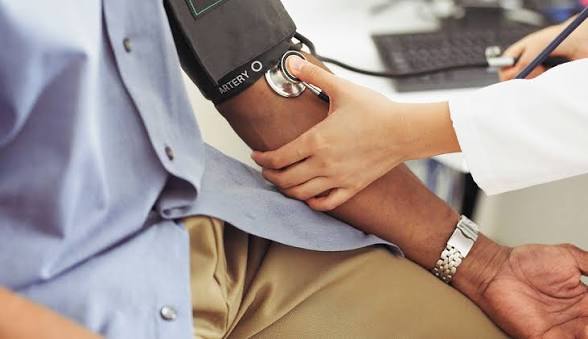
High blood pressure, also known as hypertension, is often called the “silent killer” because it can develop without obvious symptoms while increasing the risk of serious health problems such as heart disease and stroke.
While genetics and age can play a role, certain everyday habits may also contribute to rising blood pressure over time. Here are five common habits that could be affecting your blood pressure without you realising it.
1. Eating Too Much Salt..READ THE FULL ARTICLE HERE .
Salt is one of the major dietary factors associated with high blood pressure. Consuming too much sodium can cause the body to retain water, increasing the amount of fluid in the bloodstream and putting additional pressure on blood vessels.
Many processed foods, fast foods, instant meals and packaged snacks contain significant amounts of hidden salt. Reducing your intake of salty and highly processed foods and choosing more fresh, whole foods can help support healthier blood pressure.
2. Living a Sedentary Lifestyle
Spending too much time sitting and getting little regular physical activity can affect your overall cardiovascular health.
A lack of exercise may contribute to weight gain and other factors associated with high blood pressure. Regular activities such as brisk walking, cycling or swimming can help strengthen the heart and support healthy blood pressure.
Even making simple changes, such as walking more often, taking the stairs or breaking up long periods of sitting, can increase your daily physical activity.
3. Living With Chronic Stress
Stress can temporarily cause blood pressure to rise as the body releases hormones that increase heart rate and constrict blood vessels.
When stress becomes persistent, it can also encourage unhealthy habits such as overeating, smoking, drinking excessively or neglecting physical activity. Finding healthy ways to manage stress, including regular exercise, relaxation and adequate rest, can benefit your overall health.
4. Having Poor Sleep Patterns
Consistently getting inadequate or poor-quality sleep may affect the body’s ability to regulate blood pressure properly.
Sleep plays an important role in the normal functioning of the cardiovascular and nervous systems. Maintaining a regular sleep schedule and allowing enough time for quality rest can support better overall health.
If you regularly struggle to sleep or frequently wake up feeling exhausted, it may be worth discussing the problem with a healthcare professional.
5. Drinking Too Much Alcohol
Regularly consuming excessive amounts of alcohol can contribute to higher blood pressure and may increase the risk of cardiovascular problems.
Alcohol can also interact with certain medications, including some medicines used to control blood pressure. Limiting alcohol consumption can therefore be an important part of maintaining better heart health.
Check Your Blood Pressure Regularly
One of the biggest concerns about hypertension is that many people may have high blood pressure without experiencing noticeable symptoms.
Regular blood pressure checks can help you know where you stand, particularly if you have a family history of hypertension or other risk factors.
Making healthier choices around diet, physical activity, stress, sleep and alcohol consumption can help support healthy blood pressure. However, anyone who has been diagnosed with hypertension should follow their healthcare professional’s advice and should not stop prescribed medication without medical guidance.