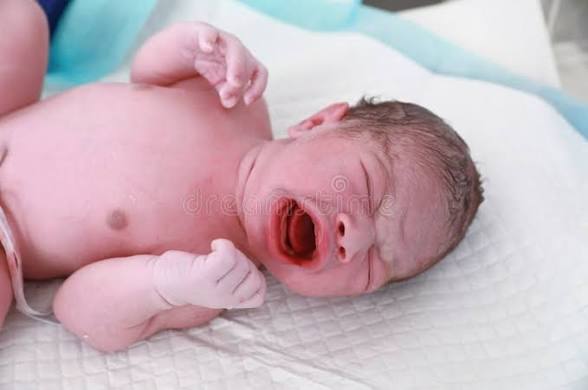
One of the first sounds many parents hear after childbirth is their newborn’s cry. While the sound can be emotional and sometimes alarming, crying immediately after birth is generally part of a baby’s transition from life inside the womb to breathing independently.
Here are three common reasons newborns cry after delivery.
1. Their lungs are starting to work..READ THE FULL ARTICLE HERE .
Before birth, a baby receives oxygen through the placenta rather than breathing air with its lungs. After delivery, the newborn must begin breathing independently.
The first breaths help expand the lungs and establish regular breathing. Crying can help move air into the lungs and is one way newborns begin adjusting to their new environment.
2. The baby is responding to a sudden change
Birth brings a dramatic change in temperature, light, sound and physical sensation. A newborn who has spent months in the warm, protected environment of the womb is suddenly exposed to a very different surroundings.
Crying can therefore be a normal response to these new sensations.
3. Crying helps healthcare workers assess the baby
A baby’s cry can be an encouraging sign that the newborn is breathing and responding after delivery.
However, not every healthy baby cries immediately. Some newborns may need gentle stimulation or medical assistance to establish effective breathing.
Healthcare professionals routinely assess a newborn’s breathing, heart rate, muscle tone and other signs immediately after birth.
When should parents be concerned?
A newborn who does not cry immediately is not necessarily in danger. What matters is whether the baby is breathing effectively and responding appropriately.
If a newborn has difficulty breathing, has a persistently abnormal skin colour, is unusually limp or shows other signs of distress, medical professionals will provide the necessary assessment and treatment.
A baby’s first cry is therefore more than just an emotional moment. It can be part of the newborn’s normal adjustment as the baby begins breathing and adapting to life outside the womb.