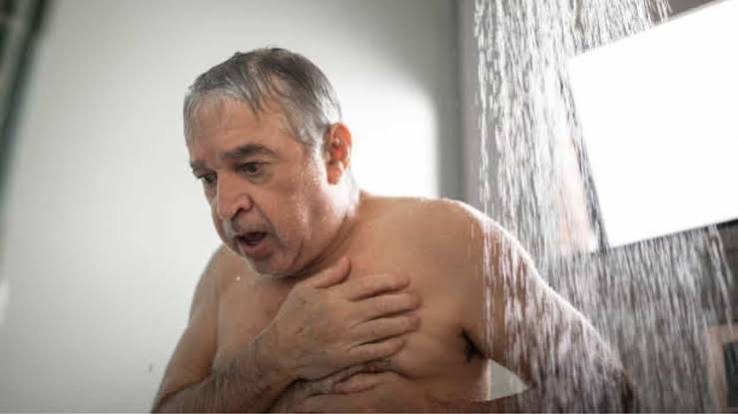
Many people are surprised to learn that bathrooms are one of the most common places where heart attacks occur. Doctors say this is not a coincidence several physical and environmental factors in the bathroom can trigger a sudden cardiovascular event, especially in people with underlying heart conditions.
Here are the five medical reasons behind this:
1. Sudden Temperature Changes
Moving from a warm bedroom into a cold bathroom or taking a very cold or very hot shower can shock the body.
This sudden temperature shift causes blood vessels to constrict or expand rapidly, raising blood pressure and putting extra stress on the heart.
2. Straining During Bowel Movements..READ THE FULL ARTICLE HERE .
Doctors warn that constipation and straining in the toilet can trigger a dangerous reaction called the Valsalva maneuver.
This reduces blood flow to the heart for a few seconds and may cause:
A sudden drop in blood pressure
Irregular heartbeat
Fainting
For someone with a weak heart or blocked arteries, this can be enough to trigger a cardiac event.
3. Hot Showers Increase Heart Workload
Hot water causes the blood vessels to expand quickly, which lowers blood pressure.
The heart must then pump harder to stabilize circulation, and in vulnerable people, this can provoke chest pain or even a heart attack.
4. Slippery Floors and Sudden Falls
Bathroom falls can cause sudden shock, panic, and physical trauma, which puts pressure on the heart.
Older adults with heart disease or weak arteries can experience cardiac complications when they fall or slip.
5. Bathing Increases Heart Rate
Bathing especially very early in the morning can cause the heart rate to rise suddenly due to:
Rapid posture changes
Holding breath underwater
Standing up too quickly
These quick cardiovascular shifts are risky for people with hypertension or heart disease.
Final Note
These factors do not mean bathrooms are dangerous for everyone.
However, people with high blood pressure, heart disease, diabetes, or those above 50 should:
Avoid extremely hot or cold showers
Prevent constipation
Stand up slowly
Add support rails or non-slip mats
Avoid bathing alone if they have serious medical issues
Small precautions can save lives.