Finding a new house can be exciting, but there are some warning signs you should never overlook when inspecting a property. A beautiful paint job, spacious rooms and a good location may look attractive, but hidden moisture problems can turn a dream home into a health and financial burden.
Two major red flags to watch for are mold and damp walls. These problems can indicate persistent moisture, poor ventilation, plumbing leaks or water entering the building.
Before signing a tenancy agreement or paying for a property, take time to inspect the walls, ceilings, bathrooms, windows and other areas where moisture can accumulate...READ THE FULL ARTICLE HERE .
1. Mold on the Walls and Ceiling
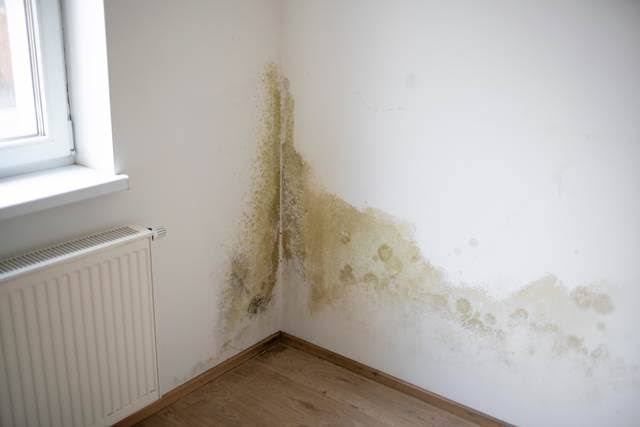
Mold is a type of fungus that can grow in damp environments. It may appear as black, green, white or brown patches and can sometimes produce a musty smell.
When house hunting, look carefully behind furniture, around windows, in corners, under sinks and on ceilings.
Do not assume that freshly painted walls mean there is no mold problem. In some cases, painting over a moisture damaged surface can temporarily hide visible signs without addressing the underlying cause.
How mold can affect your health
Exposure to indoor mold can cause problems, particularly for people who are sensitive to it.
Possible effects include:
- Sneezing and nasal congestion
- Coughing
- Throat irritation
- Eye irritation
- Skin irritation
- Wheezing or breathing difficulties in sensitive individuals
People with asthma or allergies may be particularly affected by moldy environments.
The risk depends on factors such as the amount of mold present, duration of exposure and individual sensitivity.
2. Damp Walls and Persistent Moisture
Damp walls are another major warning sign when inspecting a property.
You may notice:
- Peeling or bubbling paint
- Water stains
- Discoloured patches
- A persistent musty smell
- Flaking plaster
- Damp or unusually cold sections of a wall
- Visible moisture around windows or ceilings
Dampness can result from leaking pipes, roof problems, poor drainage, condensation or water penetrating through walls.
Why damp walls are a problem
Persistent moisture can create an environment where mold and other microorganisms thrive. It can also gradually damage paint, plaster, woodwork and other parts of the building.
A property with unresolved dampness may therefore require significant repairs after you move in.
What You Should Do Before Renting or Buying
Do not rush into paying for a property simply because you like its appearance.
During your inspection:
- Check walls and ceilings carefully.
- Look behind curtains and furniture where possible.
- Pay attention to unusual smells.
- Inspect areas around bathrooms and kitchens.
- Look for water stains and peeling paint.
- Ask the landlord or agent whether the property has experienced leaks or flooding.
- Check whether visible damage has actually been repaired rather than simply painted over.
- Visit the property at different times if possible to assess ventilation, humidity and other conditions.
If you notice significant dampness or extensive mold, consider getting an independent building professional to assess the property before committing yourself.
Don’t Ignore the Smell
Sometimes the first warning sign is not something you can see.
A strong musty or earthy smell may indicate moisture or mold even when walls appear freshly painted.
If you notice such a smell during your inspection, investigate its source rather than assuming that an air freshener or fresh paint has solved the problem.
The Bottom Line
A house should provide a safe and comfortable environment, not expose you to avoidable moisture and mold problems.
Mold and damp walls are two warning signs worth taking seriously when house hunting. They can indicate underlying building problems and may contribute to respiratory or allergy related symptoms in susceptible people.
Before paying rent or purchasing a property, inspect carefully, ask questions and investigate any signs of moisture. A few extra minutes during house hunting could save you from expensive repairs, uncomfortable living conditions and potential health problems later.