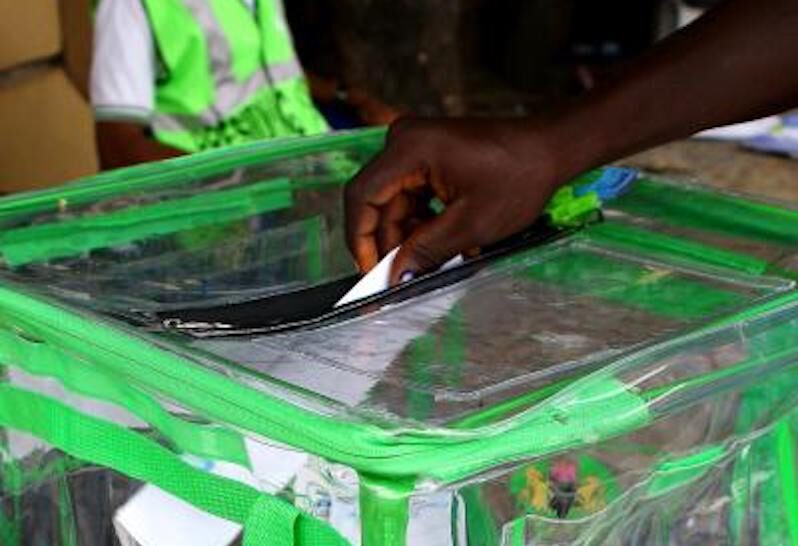
The atmosphere surrounding the Osun State governorship election has become increasingly tense, with at least 34 election related violent incidents and 18 deaths recorded across the state since May 2026.
The disturbing figures have emerged just as voters prepare to head to the polls, raising fresh concerns about the safety of voters, political party supporters, electoral officials and other residents during the election.
The violence has reportedly increased as the election date approaches, with several incidents linked to political rallies, party gatherings and campaign activities. The situation has also made it increasingly difficult to establish a single and universally accepted casualty figure because different organisations and political parties have recorded incidents using different criteria...READ THE FULL ARTICLE HERE .
While the conflict monitoring data puts the number of deaths at 18, the Nigeria Police Force has separately documented at least 30 killings which it classified as politically motivated during the build up to the election. Political parties have also released their own casualty figures, although these figures cannot simply be added together because some may refer to the same incidents.
The All Progressives Congress campaign, for instance, alleged that 12 of its supporters were killed within a 24 hour period. According to the party, five people were killed at a weekend rally while another seven were allegedly killed as supporters gathered for a major rally in the Igbogi area of the state.
The Accord Party has also claimed that eight of its members have been killed within the past week. These claims have further intensified concerns over the security situation as the major political parties battle for control of Osun State.
However, security authorities have attributed some of the violence to cult related reprisals and other criminal activities rather than purely political disagreements. This has created additional difficulty in determining which incidents should be classified strictly as election related violence.
One particularly concerning incident occurred around the Igbogi and Ikoti areas, where two people were reportedly killed and two others sustained gunshot injuries. The incident occurred as political activities were reaching a critical stage ahead of the election.
The pattern of violence has raised fears that tensions could affect voter turnout. Some residents may decide to stay away from polling stations if they believe their safety cannot be guaranteed, potentially affecting participation in an election that is expected to attract significant political attention.
The security situation also places additional responsibility on law enforcement agencies to maintain order while protecting voters and electoral personnel. Authorities will have to ensure that security measures do not only respond to violence after it occurs but also prevent clashes and intimidation around polling centres.
The Osun election is particularly important because it is one of Nigeria’s major off cycle governorship elections and comes less than two years before the 2027 general election. The outcome is therefore being closely watched by political parties and national political actors.
The election has also generated intense competition among the leading political forces in the state, with campaigns becoming increasingly heated in the final days before voting.
Despite the troubling incidents recorded during the campaign period, the election itself remains an opportunity for residents to exercise their constitutional right to choose their next governor peacefully. Political disagreements are expected in a democratic contest, but violence should not determine who participates or who stays away from the ballot box.
Security agencies, political parties and their supporters therefore face growing pressure to ensure that election day does not become another occasion for violence. Political leaders are also expected to caution their supporters against provocation, intimidation and retaliation.
For voters, the rising number of violent incidents is a serious warning about the need for caution and peaceful conduct. The credibility of the election will depend not only on the voting process but also on whether citizens are able to participate freely without fear.
As Osun residents prepare to vote, attention is now focused on whether the security situation can be brought under control and whether election day will be defined by peaceful participation rather than the violence that has characterised parts of the campaign period.
The reported figures remain subject to differences in classification and verification, but the overall pattern is difficult to ignore. With dozens of violent incidents and multiple deaths already recorded, preventing further bloodshed has become one of the most urgent priorities surrounding the Osun governorship election.