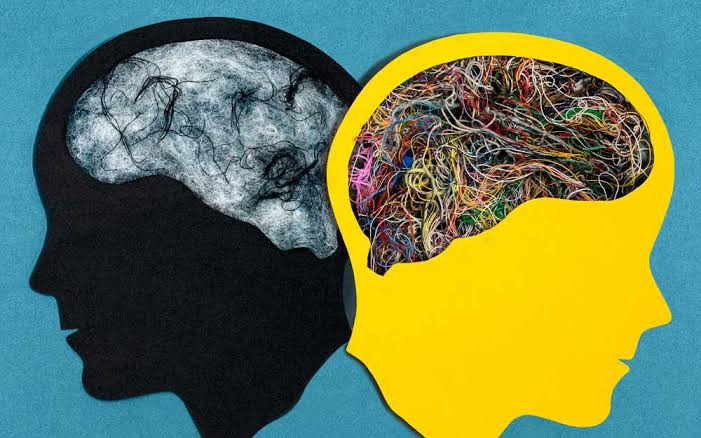
Bipolar disorder is one of the most misunderstood mental health conditions in the world. While many people casually describe sudden mood changes as being “bipolar,” the condition is actually a serious mental illness that causes extreme shifts in mood, energy levels, thinking and behavior. Without proper diagnosis and treatment, bipolar disorder can significantly affect a person’s relationships, career, education and overall quality of life. The encouraging news, however, is that with early intervention and the right treatment plan, many people with bipolar disorder can live healthy, productive and fulfilling lives.
What Is Bipolar Disorder?
Bipolar disorder is a chronic mental health condition characterized by alternating episodes of mania or hypomania, where a person experiences unusually elevated mood and energy, and episodes of depression, marked by persistent sadness, hopelessness and loss of interest in daily activities. The severity and frequency of these episodes vary from one individual to another, making professional evaluation essential for an accurate diagnosis...READ THE FULL ARTICLE HERE .
How Can You Tell If Someone May Have Bipolar Disorder?
Some common warning signs include:
- Unusually high energy levels lasting for several days.
- Excessive confidence or feelings of being invincible.
- Talking much faster than usual or jumping rapidly between ideas.
- Reduced need for sleep without feeling tired.
- Impulsive spending, risky behavior or poor decision making.
- Prolonged periods of sadness, hopelessness or emotional emptiness.
- Loss of interest in activities that were once enjoyable.
- Difficulty concentrating and low motivation.
- Changes in appetite and sleeping patterns.
- Thoughts of self harm or suicide during severe depressive episodes, which require immediate medical attention.
How Is Bipolar Disorder Diagnosed?
There is no single laboratory test that confirms bipolar disorder. Diagnosis is made by a qualified mental health professional through detailed interviews, assessment of symptoms, medical history and, in some cases, input from close family members. Doctors may also perform physical examinations and other tests to rule out medical conditions that can produce similar symptoms.
Treatment Options for Bipolar Disorder
Although bipolar disorder cannot currently be cured, it is highly treatable. Effective treatment often combines several approaches, including:
- Mood stabilising medications such as lithium and other prescribed medicines to control mood episodes.
- Psychological therapies, including Cognitive Behavioural Therapy (CBT), to help patients understand triggers and develop coping strategies.
- Lifestyle adjustments such as maintaining a regular sleep schedule, exercising consistently, eating a balanced diet and reducing stress.
- Ongoing follow up with mental health professionals to monitor progress and adjust treatment when necessary.
- Hospital care or specialised treatments like electroconvulsive therapy in severe or treatment resistant cases.
Why Early Treatment Matters
Mental health experts stress that delaying treatment can increase the risk of repeated mood episodes, relationship breakdowns, financial difficulties and substance misuse. Early diagnosis and consistent treatment greatly improve long term outcomes, helping people reduce the frequency and severity of episodes while maintaining stable personal and professional lives.
Living Well With Bipolar Disorder
Receiving a diagnosis of bipolar disorder does not mean a person cannot achieve success or happiness. Many people with the condition lead successful careers, build strong families and enjoy fulfilling lives by adhering to treatment plans, attending regular medical appointments and seeking support from loved ones. Increasing awareness and reducing stigma remain essential to encouraging more people to seek help before symptoms become overwhelming.