The Economic Community of West African States (ECOWAS) has officially activated the governing board responsible for overseeing the long anticipated $15 billion Abidjan–Lagos Highway project, marking a major milestone in one of Africa’s most ambitious regional infrastructure developments. The initiative is expected to transform trade, transportation and economic integration across West Africa by linking five of the region’s most important economies.
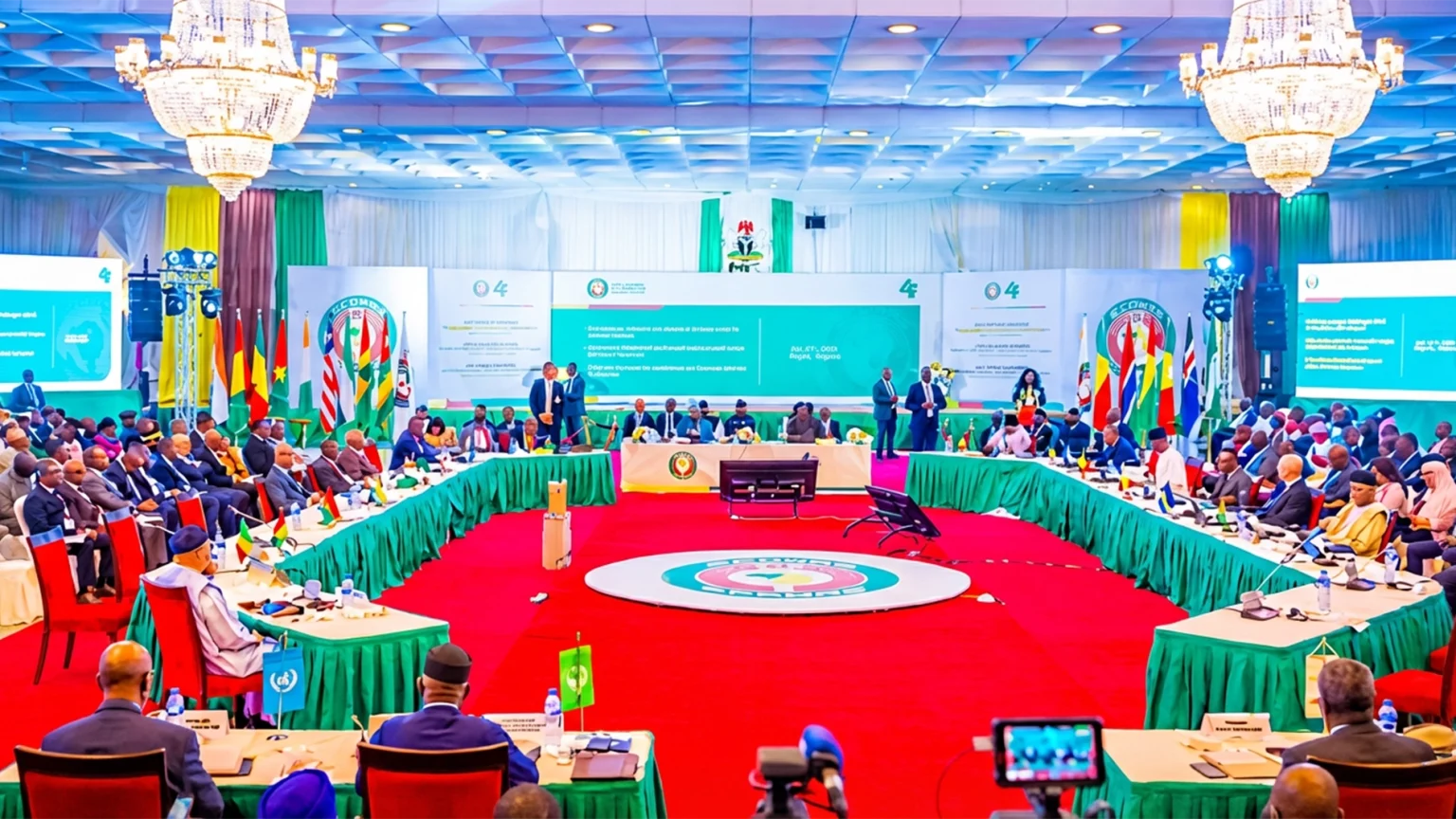
The inaugural meeting of the Abidjan–Lagos Corridor Management Authority (ALCOMA) Board of Directors was held in Nigeria between June 11 and June 12, where members established the internal governance structures, operational procedures and leadership succession plans needed to move the project from the planning stage into full execution.
The 1,028 kilometre six lane superhighway will connect Côte d’Ivoire, Ghana, Togo, Benin and Nigeria, linking major economic hubs such as Abidjan, Accra, Lomé, Cotonou and Lagos. The corridor is expected to become a critical artery for regional trade, facilitating faster movement of goods, services and people across some of West Africa’s most densely populated commercial centres. ..READ THE FULL ARTICLE HERE .
The project is being implemented under a treaty signed by the heads of state of the five participating countries, with ALCOMA mandated to coordinate and supervise every phase of its development. According to ECOWAS, sections of the highway are expected to become operational progressively from 2030.
Following established rotational arrangements, Benin’s Wilfrid Lauriano Do Rego was appointed the board’s first chairperson for a two year term, while Ayadji Omolade Hodonou Sourou Jacques was named deputy chairperson. The board also created interim committees to handle key responsibilities, including the recruitment of a Chief Executive Officer and Legal Corporate Secretary, as well as managing project finances and investment mobilisation efforts.
The African Development Bank has been endorsed as a non voting member and designated as the Mandatory Lead Arranger for financing the project. The funding strategy will be supported by a proposed $500 million catalytic capital package from the African Development Fund Regional Operations Envelope, alongside contributions from member states including Benin, Côte d’Ivoire and Nigeria.
Alongside the highway initiative, ECOWAS has also launched a regional trade development programme in Lomé, Togo, aimed at removing obstacles faced by small scale cross border traders, particularly women entrepreneurs. The programme seeks to tackle issues such as harassment, administrative bottlenecks, limited access to finance and other non tariff barriers that hinder regional commerce.
Regional leaders say these dual initiatives reflect ECOWAS’ broader ambition of creating an integrated and people centred economic community where modern infrastructure and inclusive trade policies work together to unlock the immense economic potential of West Africa’s estimated $734.8 billion market.