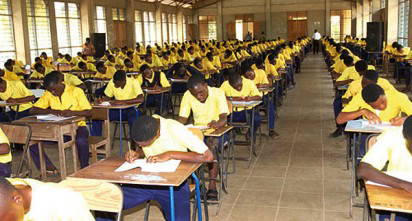
Fresh concerns have emerged over the conduct of the ongoing 2026 West African Senior School Certificate Examination (WASSCE) after several candidates across different parts of Nigeria were forced to sit for their examinations late into the night due to significant delays in the delivery and administration of examination materials. The development has sparked widespread criticism from parents, school administrators and education stakeholders who fear the recurring situation could negatively affect students’ performance, safety and overall well-being.
Reports from examination centres, particularly in Lagos, indicated that the delays became more severe during the week. Candidates scheduled to write Physics papers, which were expected to take place between the afternoon hours, reportedly waited for several hours before the examinations eventually commenced much later in the evening. Similar disruptions were experienced during the General Mathematics examination, with some students allegedly remaining at their centres until around 10 p.m. before completing their papers. In some locations, candidates waiting to sit for Agricultural Science Practical examinations were still without examination materials hours after the scheduled start time.
The situation has reignited memories of the controversies that surrounded the 2025 WASSCE, when students in several states were compelled to write examinations late at night, prompting national outrage and concerns over examination management. Education stakeholders had expected the examination body to implement measures that would prevent a repeat of such incidents, making the latest developments particularly disappointing for many observers. ..READ THE FULL ARTICLE HERE .
Parents have expressed frustration over the repeated disruptions, arguing that students who prepare mentally and physically for examinations at specific times should not be subjected to long hours of uncertainty and waiting. Many have questioned how candidates can maintain concentration and perform at their best after spending most of the day at examination centres before eventually sitting for their papers. Concerns have also been raised about the security implications of students returning home late at night, especially in areas where transportation and safety challenges remain prevalent.
School administrators have also voiced dissatisfaction, noting that prolonged delays can create psychological stress for candidates at a critical stage of their academic journey. Some educators believe the recurring logistical issues threaten the credibility of the examination process and could undermine confidence in one of West Africa’s most important secondary school examinations.
The latest disruptions come despite previous assurances from the West African Examinations Council that the 2026 WASSCE would be conducted smoothly and without interruption. Earlier in the examination cycle, the council had reassured candidates, parents and stakeholders of its commitment to ensuring a hitch free examination process amid concerns over staff grievances and operational challenges.
As criticism continues to mount, many parents and education advocates are calling on WAEC to urgently address the logistical and administrative shortcomings responsible for the delays. They insist that candidates deserve a more organised examination process that protects both their academic interests and personal safety. With key papers still remaining in the examination timetable, stakeholders are hoping swift corrective measures will be implemented to prevent further disruptions and restore confidence in the examination system.