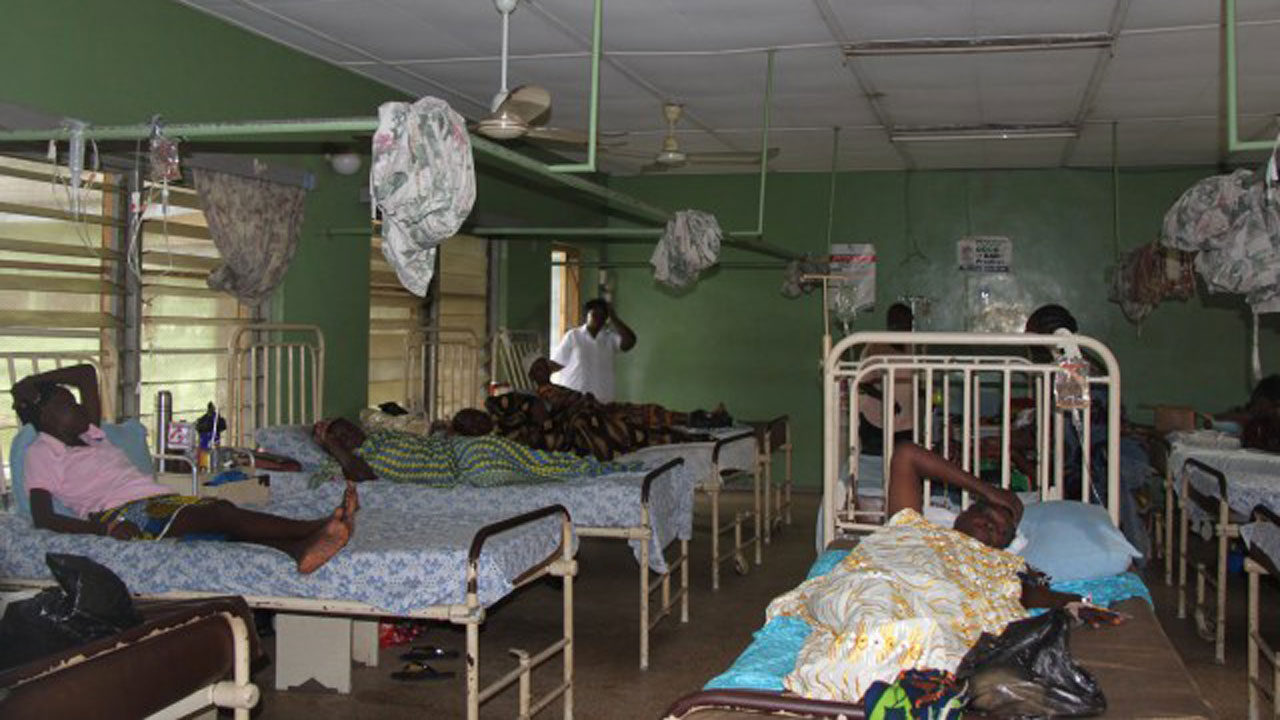
The cholera outbreak in Borno State has taken a troubling turn after health authorities confirmed 274 new suspected cases within a 24-hour period, underscoring the growing public health emergency facing the state. The latest development has heightened concerns among government officials, healthcare workers and residents as efforts continue to contain the spread of the highly infectious disease across multiple communities.
According to health officials, the newly reported cases have pushed the cumulative number of suspected cholera infections in the state to 4,204 since the outbreak began. The disease, which is primarily spread through contaminated food and water, has continued to affect thousands of people despite ongoing intervention measures by the state government and health agencies.
The figures were disclosed during a stakeholders’ meeting on cholera prevention and the management of acute watery diarrhoea held in Maiduguri. The meeting brought together representatives from all 27 local government areas of the state, alongside public health experts and government officials, to review the current situation and strengthen response strategies aimed at limiting further transmission...READ THE FULL ARTICLE HERE .
Data presented at the meeting showed that the outbreak has been particularly severe in the Maiduguri Metropolitan Council, which has recorded the highest number of infections. The council accounts for 2,404 of the total reported cases, making it the epicentre of the outbreak. Jere Local Government Area follows with 1,214 cases, while other affected local government areas include Konduga, Mafa, Monguno, Kaga, Bama, Kwaya Kusar, Ngala and Magumeri.
Health authorities revealed that the disease has now spread across 118 settlements in 21 communities, illustrating the extensive reach of the outbreak. The rapid increase in infections has placed additional pressure on healthcare facilities and response teams working around the clock to provide treatment and prevent new cases.
Despite the growing number of infections, officials noted that significant progress has been made in reducing fatalities associated with the outbreak. Since the emergence of the disease, 39 deaths have been recorded, while 2,664 patients have successfully recovered and have been discharged from various treatment centres across the state.
Speaking during the stakeholders’ engagement, Dr. Jacob Audu Thliza, Manager of the Public Health Emergency Operations Centre, emphasized the importance of sustained collaboration among local government authorities, healthcare personnel and community leaders in tackling the outbreak. He stressed that continuous surveillance, early detection and prompt treatment remain critical components of the state’s response strategy.
The Permanent Secretary of the Borno State Ministry of Health and Human Services, Dr. Shettima Maina Mohammed, also expressed cautious optimism regarding the progress achieved so far. He disclosed that the case fatality rate has been reduced to below one percent, a development he attributed to improved case management, rapid response initiatives, increased public awareness campaigns and the dedication of frontline healthcare workers.
According to him, the government has intensified efforts to ensure that affected communities receive the necessary support to combat the disease. Medical personnel have been deployed to high-risk areas, while treatment centres continue to operate to accommodate patients requiring urgent care. The state has also strengthened surveillance activities to quickly identify and respond to emerging cases.
In addition to medical interventions, authorities have embarked on extensive public health campaigns designed to educate residents about preventive measures. Communities have been encouraged to maintain proper hygiene practices, wash their hands regularly with soap and clean water, consume only safe drinking water and avoid food that may have been exposed to contamination.
As part of these efforts, essential sanitation materials including soap, chlorine and disinfectants have been distributed to vulnerable communities. Volunteers and ad hoc committees have also been mobilized to support awareness campaigns and assist in monitoring compliance with public health guidelines.
The outbreak has once again highlighted the challenges posed by inadequate access to clean water and sanitation facilities in many parts of Borno State. Health experts have repeatedly warned that poor hygiene conditions, overcrowding and limited access to safe drinking water create an environment where cholera can spread rapidly, especially during periods of increased population movement.
Residents have been urged to seek immediate medical attention whenever symptoms such as severe diarrhoea, vomiting, dehydration and weakness are observed. Medical professionals emphasize that prompt treatment can significantly improve survival rates and reduce complications associated with the disease.
As authorities continue to battle the outbreak, there is growing hope that sustained public cooperation, improved sanitation measures and coordinated healthcare interventions will help slow the spread of cholera and prevent additional loss of life. However, the latest surge of 274 new cases within a single day serves as a stark reminder that the fight against the disease is far from over and that continued vigilance remains essential in protecting communities across Borno State.