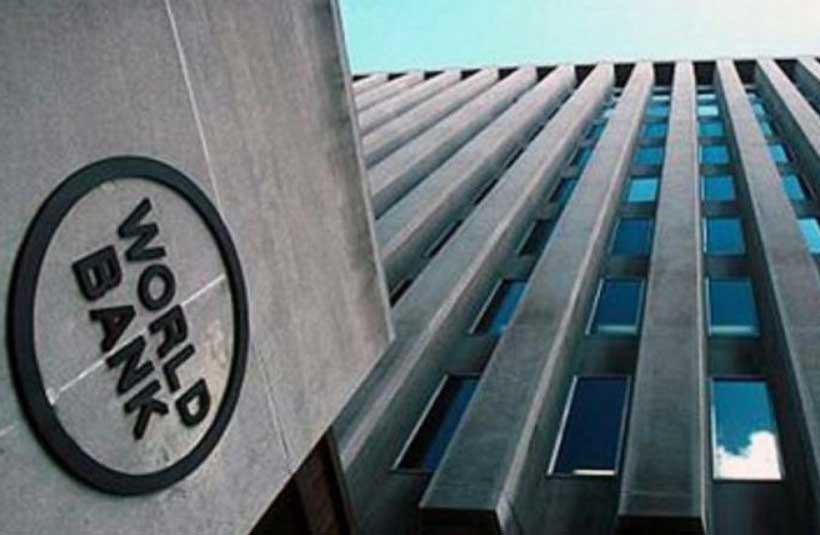
The Federal Government has cancelled $717.7 million in undisbursed financing from the World Bank meant for Nigeria’s struggling power sector, a decision that has sparked fresh concerns over the future of electricity reforms in the country amid worsening blackouts and rising economic pressure. The cancelled funding formed part of the broader $1.52 billion Power Sector Recovery Programme designed to stabilise and improve electricity supply across Nigeria.
According to documents obtained from the World Bank, the cancellation followed a formal request by the Nigerian government and a mutual agreement between both parties to discontinue the remaining financing under the programme. The World Bank explained that the decision was influenced by persistent implementation challenges, worsening tariff shortfalls and the inability to achieve critical reform targets within the power sector.
The programme, which initially received about $752.5 million in funding, was introduced to support reforms aimed at improving electricity distribution, reducing losses and strengthening the financial stability of the sector. Following early progress, the World Bank approved an additional financing package of approximately $763.5 million in 2023 to deepen the reforms and consolidate gains already achieved. However, the second phase of the programme reportedly struggled due to economic instability, rising operational costs and Nigeria’s inability to fully implement cost-reflective electricity tariffs. ..READ THE FULL ARTICLE HERE .
Reports indicated that the World Bank has now brought forward the programme’s closing date from June 30, 2027, to May 31, 2026, effectively ending the initiative more than a year earlier than originally planned. The bank also confirmed that no additional disbursements would be made under the arrangement after the restructuring approval.
One of the major problems highlighted by the World Bank is the growing gap between the actual cost of generating electricity and the revenue being recovered through tariffs paid by consumers. The bank disclosed that tariff shortfalls increased dramatically in recent years, rising from about N140 billion in 2022 to nearly N1.9 trillion annually in 2024 and 2025. This situation has placed enormous pressure on the Federal Government’s finances as authorities continue to subsidise electricity despite economic challenges and declining fiscal space.
The development comes at a time when millions of Nigerians continue to experience unstable electricity supply, frequent grid collapses and rising energy costs. Businesses and households across the country have repeatedly complained about prolonged blackouts and the increasing dependence on expensive alternatives such as petrol and diesel generators. Many industry experts fear that the cancellation of such a significant funding package could slow down critical reforms and infrastructure improvements needed to revive the sector.
Despite the setback, government officials insist that efforts to reform the power sector remain ongoing. Analysts, however, believe the latest development highlights the deep structural problems affecting Nigeria’s electricity industry, including poor revenue collection, inadequate infrastructure, mounting debts and policy inconsistencies that have continued to discourage investment and weaken public confidence in the sector.