Understanding Why Cavities Are Becoming a Growing Health Concern
Dental experts across the world are raising concern over the increasing number of people suffering from tooth cavities, a common oral health problem that often begins quietly but can eventually lead to severe pain, infections and permanent tooth loss if left untreated. Cavities, also known as dental caries or tooth decay, occur when bacteria inside the mouth break down sugars from food and drinks, producing acids that slowly erode the protective outer layer of the teeth known as enamel.
Health professionals explain that while cavities may start as tiny weak spots on the teeth, they can rapidly worsen once the enamel becomes damaged. As the decay spreads deeper into the inner layers of the tooth, individuals may begin experiencing sensitivity, bad breath, toothache, swelling and difficulty eating or drinking. In severe situations, untreated cavities can trigger infections that spread to surrounding tissues and even affect overall body health. ..READ THE FULL ARTICLE HERE .
Dentists say poor oral hygiene, excessive sugar consumption, smoking, dehydration and skipping regular dental checkups remain some of the major causes behind the growing prevalence of tooth decay among both children and adults.
Early Signs of Tooth Cavities Many People Ignore
Oral health specialists warn that many individuals fail to recognise the early warning signs of cavities until the condition becomes serious. Experts say the earliest symptoms are often mild and may include occasional tooth sensitivity when eating cold, hot or sweet foods. Small white, brown or black spots on the surface of the teeth may also indicate the beginning stages of enamel damage.
As cavities progress, symptoms may worsen into persistent toothache, pain while chewing, visible holes in the teeth, bleeding gums and unpleasant mouth odour caused by bacterial buildup. Dentists stress that seeking treatment immediately after noticing these signs can prevent the need for expensive and painful procedures later.
How Poor Diet Contributes to Tooth Decay
Health experts say modern eating habits play a major role in the rising number of cavity cases worldwide. Sugary drinks, sweets, chocolates, cakes, processed snacks and acidic beverages create the perfect environment for bacteria to thrive inside the mouth. Each time sugar is consumed, bacteria release acids that attack tooth enamel for several minutes, gradually weakening the teeth over time.
Dentists advise people to reduce frequent snacking and limit sugary foods, especially before bedtime. Soft drinks and energy drinks are considered particularly harmful because they combine high sugar content with strong acids that accelerate enamel erosion. Sticky foods such as caramel and candy can also remain attached to teeth for long periods, increasing bacterial activity.
Experts encourage healthier alternatives such as fruits, vegetables, dairy products and water, which help maintain stronger teeth and improve saliva production. Saliva is important because it naturally washes away food particles, neutralises harmful acids and restores essential minerals to weakened enamel.
Effective Ways to Prevent Tooth Cavities
Brush Properly Twice Daily
Dentists continue to emphasise that brushing teeth correctly at least twice a day remains one of the most effective ways to prevent cavities. Fluoride toothpaste is strongly recommended because fluoride strengthens enamel and helps repair very early stages of tooth damage before cavities become permanent.
Experts advise brushing for at least two minutes using gentle circular motions rather than aggressive scrubbing, which can damage gums and enamel. Toothbrushes should also be replaced every three to four months to maintain effective cleaning.
Floss Daily to Remove Hidden Plaque
Many dental professionals warn that brushing alone cannot clean all parts of the mouth effectively. Food particles and plaque often accumulate between teeth where toothbrush bristles cannot reach. Daily flossing helps remove hidden bacteria and prevents cavities from developing in tight spaces between teeth.
People who ignore flossing may still develop cavities even if they brush regularly because bacteria trapped between teeth continue producing harmful acids unnoticed.
Drink More Water Throughout the Day
Hydration is another major factor in maintaining healthy teeth. Drinking enough water helps rinse away leftover food particles and keeps the mouth moist. Dentists say a dry mouth creates favourable conditions for bacteria to multiply rapidly.
Water containing fluoride may provide additional protection by strengthening enamel naturally. Experts also recommend rinsing the mouth with water immediately after consuming sugary foods or acidic drinks.
Reduce Sugar and Acidic Drinks
Health professionals strongly advise reducing excessive intake of sugary snacks, alcohol and carbonated drinks. Constant exposure to sugar feeds harmful oral bacteria, while acidic beverages gradually dissolve enamel even before bacteria begin their attack.
Instead of sugary drinks, dentists encourage water, milk and unsweetened beverages. Chewing sugar free gum after meals may also stimulate saliva production and help protect teeth.
Use Fluoride Treatments and Mouthwash
Fluoride mouth rinses and professional fluoride treatments are increasingly being recommended by dental experts for people prone to cavities. Fluoride helps restore weakened enamel and slows down bacterial damage.
Saltwater rinses may also help reduce bacteria and soothe irritated gums because of their mild antiseptic properties. However, dentists caution that mouthwash should not replace brushing and flossing but should instead be used as part of a complete oral hygiene routine.
Visit the Dentist Regularly
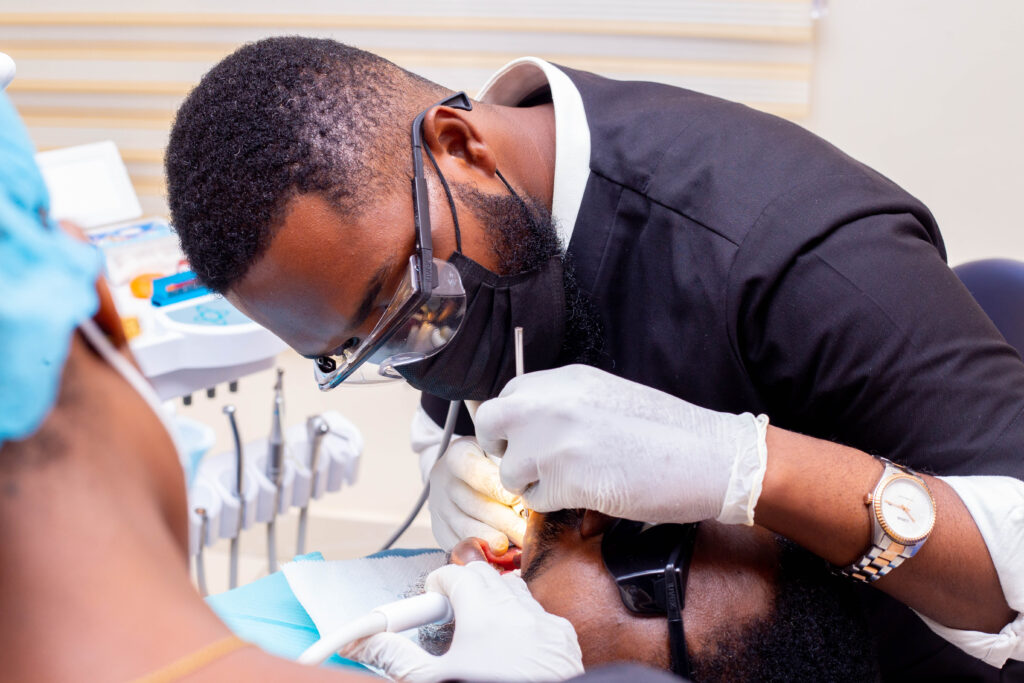
Regular dental checkups remain one of the most important ways to prevent severe tooth decay. Dentists can identify early signs of cavities before pain develops and provide treatments such as fillings, sealants and deep cleaning procedures to stop further damage.
Experts recommend visiting the dentist every six months even when there are no visible symptoms because some cavities develop in hidden areas that are difficult to notice without professional examination.
The Dangers of Ignoring Cavities
Medical professionals warn that untreated cavities can lead to serious health complications beyond tooth loss. Advanced infections may spread into the gums, jawbone and bloodstream, potentially causing life threatening conditions in rare cases. Severe dental pain can also affect sleep, concentration, eating habits and overall quality of life.
Children with untreated cavities may experience difficulty eating, speaking and learning properly due to chronic discomfort and infections. Dentists therefore urge parents to prioritise oral hygiene for children from an early age and limit sugary snacks and drinks.
Experts Encourage Better Oral Hygiene Awareness
Across online health forums and dental communities, many people continue to share personal experiences about the painful consequences of neglecting tooth decay. Several users described how small untreated cavities eventually developed into severe infections requiring root canals or tooth extractions. Dental experts responding to such discussions consistently stress that prevention remains easier, cheaper and far less painful than advanced treatment.
Health professionals maintain that while cavities are extremely common, they are largely preventable through consistent oral hygiene, healthy eating habits and regular professional dental care. They warn that ignoring early symptoms may allow a small dental problem to become a major health issue over time.