Fresh diplomatic tensions are spreading across Africa as several countries threaten retaliatory measures against South Africa following renewed xenophobic attacks targeting foreign nationals, particularly Nigerians and other African migrants living in the country.
The growing crisis has triggered outrage across the continent after violent protests reportedly erupted in parts of Pretoria, Johannesburg, and other South African cities, where foreign nationals were allegedly harassed, attacked, and intimidated amid anti immigrant demonstrations. The unrest has revived painful memories of previous xenophobic incidents that have repeatedly strained South Africa’s relationship with fellow African nations.
According to reports, the latest violence erupted between April 27 and April 29, with protesters accusing migrants of taking jobs, dominating informal businesses, and contributing to crime. However, analysts and officials noted that available police data does not support claims that foreign nationals are responsible for crime on a nationwide scale. ..READ THE FULL ARTICLE HERE .
In response to the attacks, several African governments have begun mounting diplomatic pressure on Pretoria, warning that continued violence against their citizens could attract economic and political consequences. Although no country has officially announced a total closure of borders, discussions around trade suspensions, stricter immigration controls, and retaliatory actions are reportedly gaining momentum.
Nigeria and Ghana have emerged among the strongest voices condemning the attacks. The Nigerian government recently summoned South Africa’s High Commissioner to formally express dissatisfaction over the safety of Nigerians living in the country. Authorities in Abuja also revealed that arrangements are being made for voluntary evacuation flights, with over 130 Nigerians already registering to return home amid fears of escalating violence.
The Ghanaian government has also reportedly intensified diplomatic engagement with South African authorities following concerns over threats and intimidation directed at its citizens. Other neighboring countries including Lesotho, Zimbabwe, and Mozambique are said to be on high alert as tensions continue to rise.
The crisis has further sparked reactions from regional organizations and advocacy groups. The ECOWAS Parliament recently ordered investigations into both terrorism across West Africa and the xenophobic attacks in South Africa, stressing that African governments must do more to protect citizens across the continent.
In Nigeria, student groups and civil society organizations have begun threatening protests and economic boycotts against South African businesses operating in the country. The National Association of Nigerian Students warned that continued attacks on Nigerians could trigger demonstrations targeting companies such as MTN and DStv.
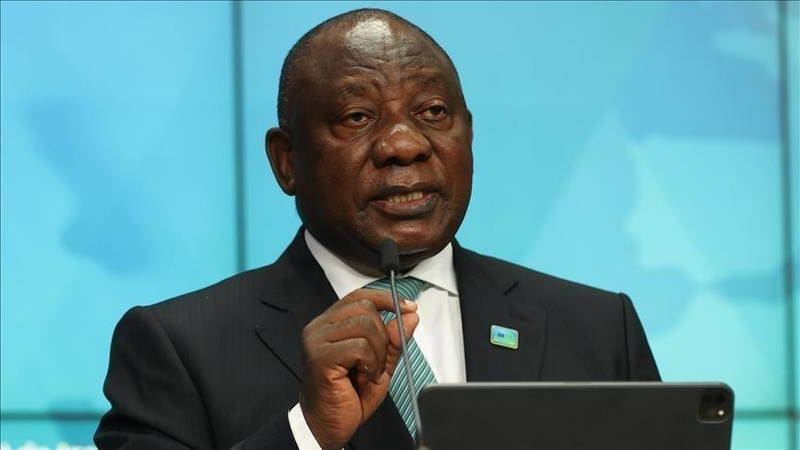
Meanwhile, South African President Cyril Ramaphosa has rejected claims that South Africans are xenophobic, insisting that the country remains welcoming to foreigners. His administration argued that the protests are more closely linked to frustrations over illegal immigration and economic hardship rather than hatred toward Africans from other countries.
Despite these assurances, critics across Africa argue that repeated attacks against migrants over the years suggest deeper systemic issues that require urgent action. Analysts warn that if the situation is not properly addressed, it could seriously damage diplomatic relations, regional trade, and the broader vision of African unity and integration.
As outrage continues to grow, many observers believe the latest crisis represents one of the most serious diplomatic tests South Africa has faced in recent years. With pressure mounting from across the continent, attention is now focused on whether Pretoria can restore confidence, protect foreign nationals, and prevent the situation from spiraling into a wider regional confrontation.