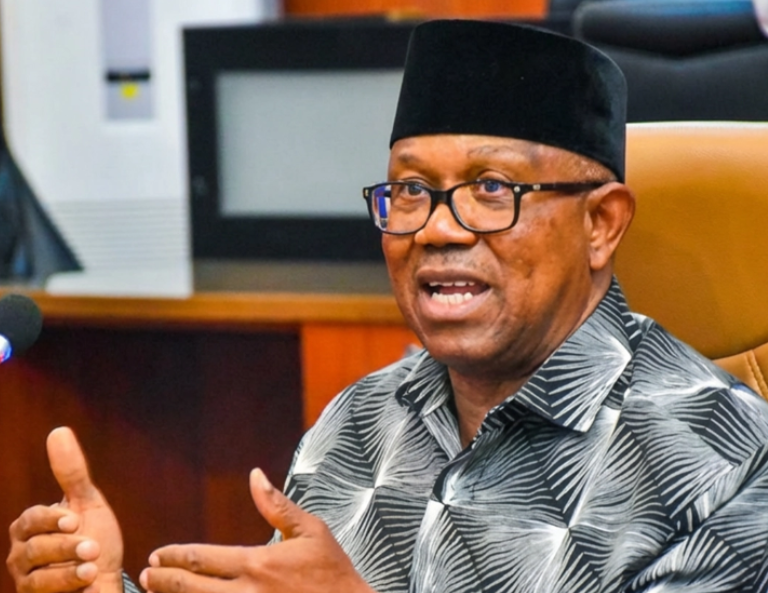
Former Anambra State governor and presidential candidate Peter Obi has described Nigeria as “the worst place to be born,” citing poverty, insecurity, unemployment, hunger and poor social conditions among the major challenges confronting citizens.
Obi made the statement in his Independence Day message on Thursday, October 1, as Nigeria marked its 66th anniversary of independence.
The former governor criticised the current administration, arguing that the country had continued to face serious difficulties despite promises made during the 2023 election campaign...READ THE FULL ARTICLE HERE .
According to Obi, more than 140 million Nigerians are living in poverty and hardship, while more than 80 million children are out of school. He also pointed to widespread insecurity, including banditry and kidnapping, as evidence of the difficulties facing the country.
He further raised concerns about hunger and food insecurity, saying millions of Nigerians are struggling to meet their basic food needs.
Obi also referred to the recent deaths of 37 young Nigerians, using the incident to highlight what he described as the worsening conditions facing young people in the country.
The former governor expressed additional concern over Nigeria’s infant and maternal mortality rates, arguing that the country needs stronger investment in healthcare and human development.
He particularly focused on the situation of Nigerian youths, citing unemployment and drug prevalence as major concerns.
“Today, Nigeria is the worst place to be born,” Obi said, while arguing that the country’s young population should have greater opportunities to acquire education, secure employment and contribute meaningfully to national development.
Obi’s comments came on the same day President Bola Tinubu delivered his Independence Day address to Nigerians, offering a different assessment of the country’s current economic situation.
Tinubu said Nigeria had moved beyond the most difficult phase of its economic reforms and was entering what he described as an era of prosperity.
The President maintained that the reforms undertaken by his administration had laid the foundation for economic growth, job creation and improved living standards.
Obi, however, maintained that the experiences of ordinary Nigerians should be the central measure of the country’s progress, arguing that economic policies must ultimately translate into better living conditions for citizens.
He called for greater attention to security, education, healthcare, employment and food security, particularly for young Nigerians who make up a significant proportion of the country’s population.
His Independence Day message has since generated renewed discussion about Nigeria’s economic and social conditions, coming at a time when political leaders are presenting sharply different assessments of the country’s progress and future.
While Obi painted a picture of widespread hardship and insecurity, the Tinubu administration has maintained that its economic reforms are beginning to produce the foundation for broader prosperity.