Taking care of your body after sex is an important part of maintaining good personal and reproductive health. Simple habits after sexual activity can help women stay comfortable, reduce the risk of certain infections and pay attention to symptoms that may require medical attention.
Good post sex hygiene does not require complicated routines or expensive products. In many cases, basic measures such as urinating, gentle cleaning and staying hydrated can be enough.
Here are five practical health and hygiene habits women can consider after sex...READ THE FULL ARTICLE HERE .
1. Urinate After Sex
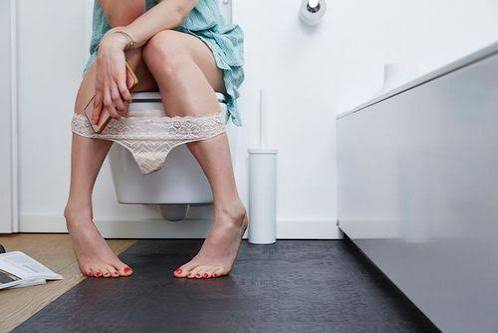
Urinating after sexual activity is a commonly recommended hygiene practice, particularly for women who are prone to urinary tract infections.
Sexual activity can move bacteria toward the opening of the urethra. Passing urine afterwards may help flush some bacteria from the urinary tract.
It is not a guarantee against urinary tract infections, but it is a simple habit that can be incorporated into a normal routine.
2. Clean the External Genital Area Gently
After sex, women can gently wash the external genital area with clean water and, if needed, a mild unscented soap.
There is generally no need to wash inside the vagina. The vagina has its own natural cleaning mechanism, and unnecessary internal cleansing can disturb its normal bacterial balance.
Women should therefore avoid:
• Douching or washing inside the vagina
• Strong antiseptics
• Perfumed sprays
• Scented vaginal products
• Harsh soaps or chemicals
The goal should be gentle external hygiene rather than attempting to sterilise the genital area.
3. Drink Enough Water
Staying hydrated after sexual activity is another simple way to support general health.
Drinking water helps maintain normal body functions and supports regular urination. For women who are prone to urinary discomfort, maintaining adequate fluid intake can also be helpful.
There is no need to drink excessive amounts of water at once. Regular hydration throughout the day is more practical.
4. Change Out of Damp or Sweaty Clothing
If sexual activity results in sweating or leaves clothing damp, changing into clean, dry underwear can improve comfort and reduce prolonged moisture around the genital area.
Cotton or other breathable underwear may also be more comfortable for everyday use.
Women should avoid remaining for long periods in wet underwear or clothing, particularly if they are already experiencing irritation.
Keeping the area clean and dry can help reduce conditions that encourage irritation and the overgrowth of certain microorganisms.
5. Pay Attention to Unusual Symptoms
Perhaps one of the most important things women can do after sex is to pay attention to changes in their bodies.
Symptoms such as unusual vaginal discharge, strong odour, persistent itching, burning during urination, pelvic pain, sores or unexpected bleeding should not simply be ignored.
These symptoms can have different causes, including infections that may require appropriate medical treatment.
Women should seek professional medical advice when symptoms persist, become severe or occur repeatedly.
What About Sexually Transmitted Infections?
Good hygiene after sex cannot prevent all sexually transmitted infections.
If there has been unprotected sex or possible exposure to an STI, testing and appropriate medical advice are more important than simply washing afterwards.
Condoms can significantly reduce the risk of many sexually transmitted infections when used correctly and consistently.
Anyone who believes they may have been exposed to an STI should consider speaking with a qualified healthcare professional about testing and any treatment or preventive measures that may be appropriate.
Avoid Putting Harsh Products Into the Vagina
One common mistake is believing that strong soaps, antiseptics or other chemicals will provide better protection against infections.
The opposite can sometimes be the case. Harsh products may irritate sensitive genital tissues and interfere with the natural vaginal environment.
A simple approach is usually best: clean the outside gently, avoid unnecessary internal products and seek medical advice when something does not feel normal.
Good Hygiene Starts With Simple Habits
Post sex care does not need to become an elaborate routine. Women can protect their comfort and reproductive health by practising basic hygiene, staying hydrated, urinating after sex and remaining alert to unusual symptoms.
It is also important to remember that hygiene is not a substitute for safer sex practices, STI testing or professional healthcare.
When symptoms such as persistent pain, unusual discharge, sores, abnormal bleeding or burning during urination occur, getting the right medical assessment is far safer than attempting to treat the problem with unverified home remedies.
Ultimately, understanding your body and responding appropriately to changes can go a long way toward maintaining good sexual and reproductive health.