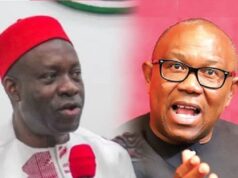
Nigeria’s political atmosphere has intensified as Peter Obi and Atiku Abubakar openly criticised the economic policies of President Bola Ahmed Tinubu, raising concerns over the worsening conditions faced by Nigerian workers.
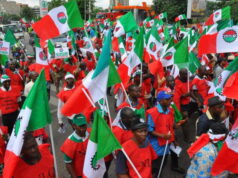
The criticism came during the 2026 Workers’ Day celebration, where both opposition figures used the occasion to highlight what they described as the growing economic hardship across the country. In separate statements, Obi and Atiku painted a grim picture of the realities facing millions of Nigerian workers, pointing to inflation, rising living costs, and declining purchasing power as major indicators of economic strain.
Peter Obi, in his message, described workers as the backbone of any nation and emphasized that their contributions to sectors such as healthcare, education, agriculture, and security are critical to national development. However, he lamented that despite their efforts, many Nigerian workers are unable to enjoy a decent standard of living. He noted that the current minimum wage is no longer sufficient to meet basic needs due to soaring food prices, transportation costs, and general inflation, stressing that hardworking citizens deserve dignity and fair compensation for their labour. ..READ THE FULL ARTICLE HERE .
Obi also urged workers to recognize their collective political power, encouraging them to demand leadership that prioritizes competence, accountability, and compassion. According to him, meaningful change can only occur when citizens actively participate in shaping governance and refuse to reward poor leadership.
On his part, Atiku Abubakar adopted a more critical tone, stating that he marked Workers’ Day with a sense of grief rather than celebration. He accused the current administration of worsening the economic situation, arguing that policies introduced under the “Renewed Hope” agenda have instead translated into increased hardship for ordinary Nigerians.
Atiku specifically pointed to the removal of fuel subsidy, acknowledging that while it may have been necessary, its implementation was poorly handled. He argued that the abrupt nature of the policy led to a sharp rise in transportation and food costs, placing additional pressure on already struggling households. He further questioned how funds saved from the subsidy removal have been utilized, claiming that there has been little visible improvement in the lives of citizens despite significant financial gains by the government.
The former vice president also raised concerns about government spending priorities, including major infrastructure projects, suggesting that transparency and accountability must be strengthened to ensure resources are effectively used for the benefit of Nigerians.
Despite their differing tones, both Obi and Atiku aligned on the central issue of worker welfare, stressing that no country can achieve sustainable growth without investing in its workforce. Their statements reflect a broader concern among many Nigerians about the current economic climate, where rising costs of living continue to outpace income levels.
As Nigeria marks another Workers’ Day, the debate over economic management and policy direction is expected to remain a dominant issue, especially as political activities gradually build toward the next election cycle. For many citizens, the focus remains clear, improving living conditions, restoring economic stability, and ensuring that the efforts of Nigerian workers are matched with meaningful rewards and opportunities.